Skip to content
Once in The NL

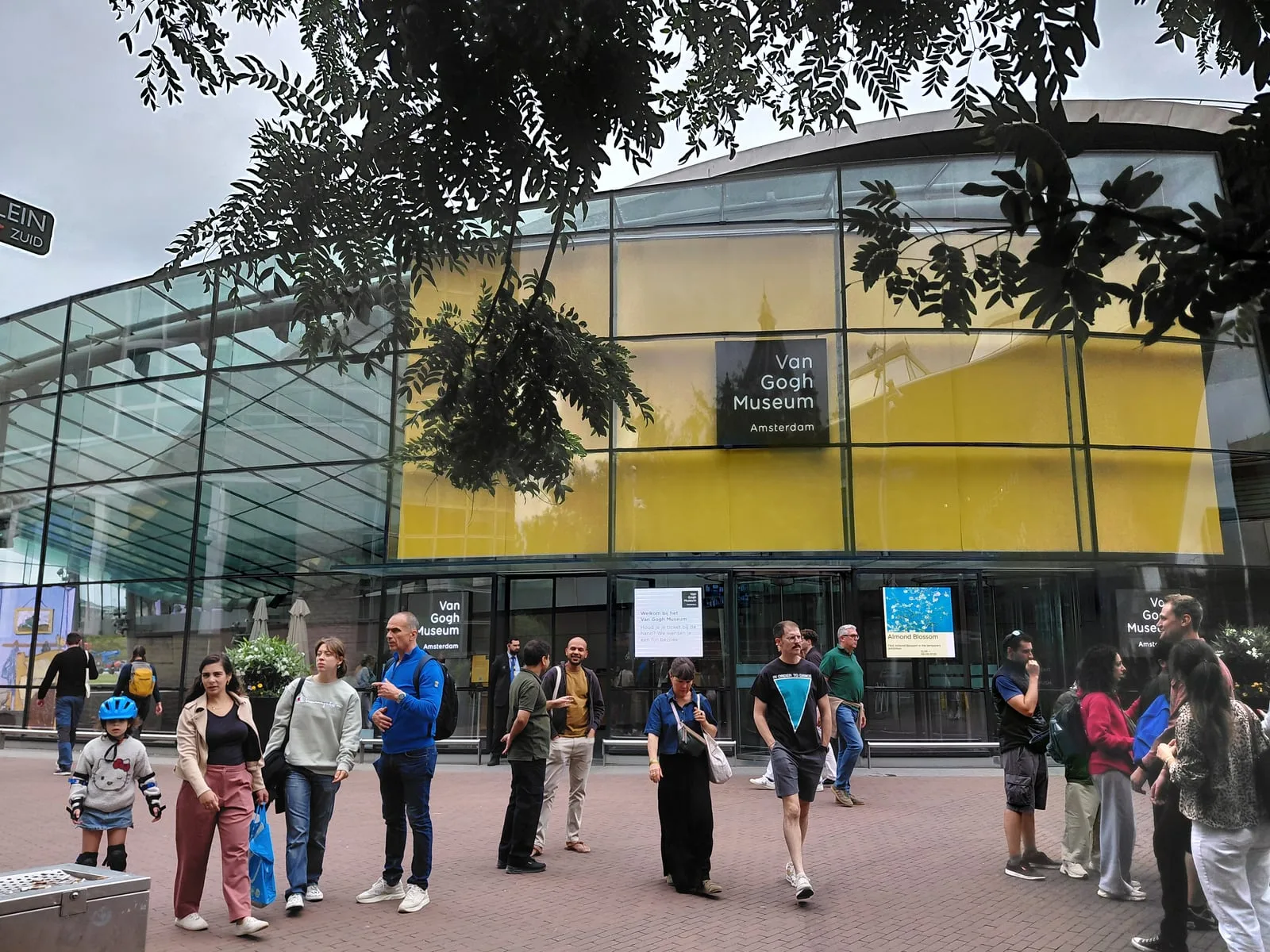
Van Gogh Museum. Van Gogh Museum

The price of genius

AmsterdamPrivate group
A painting of white roses by Vincent van Gogh

The price of genius

The Van Gogh Museum holds two hundred paintings and nearly nine hundred letters by one man, gathered in a single place. There is nothing like it anywhere else in the world. And it is not merely a collection of works: you can see a whole life here, year by year, from dark peasant scenes to the blinding yellow of the south.

We will follow that path in order — the way the artist lived it. We will see how, in ten years, a man who started painting late and badly became someone whose works cannot be bought today for any money at all.

There will be the illness, and his brother Theo, without whom not a single painting would exist, and the question of how much Van Gogh earned in his lifetime. But above all it will be about the paintings themselves: why they affect people who know nothing about art.

Some of our stops

Vincent van Gogh's painting Sunflowers

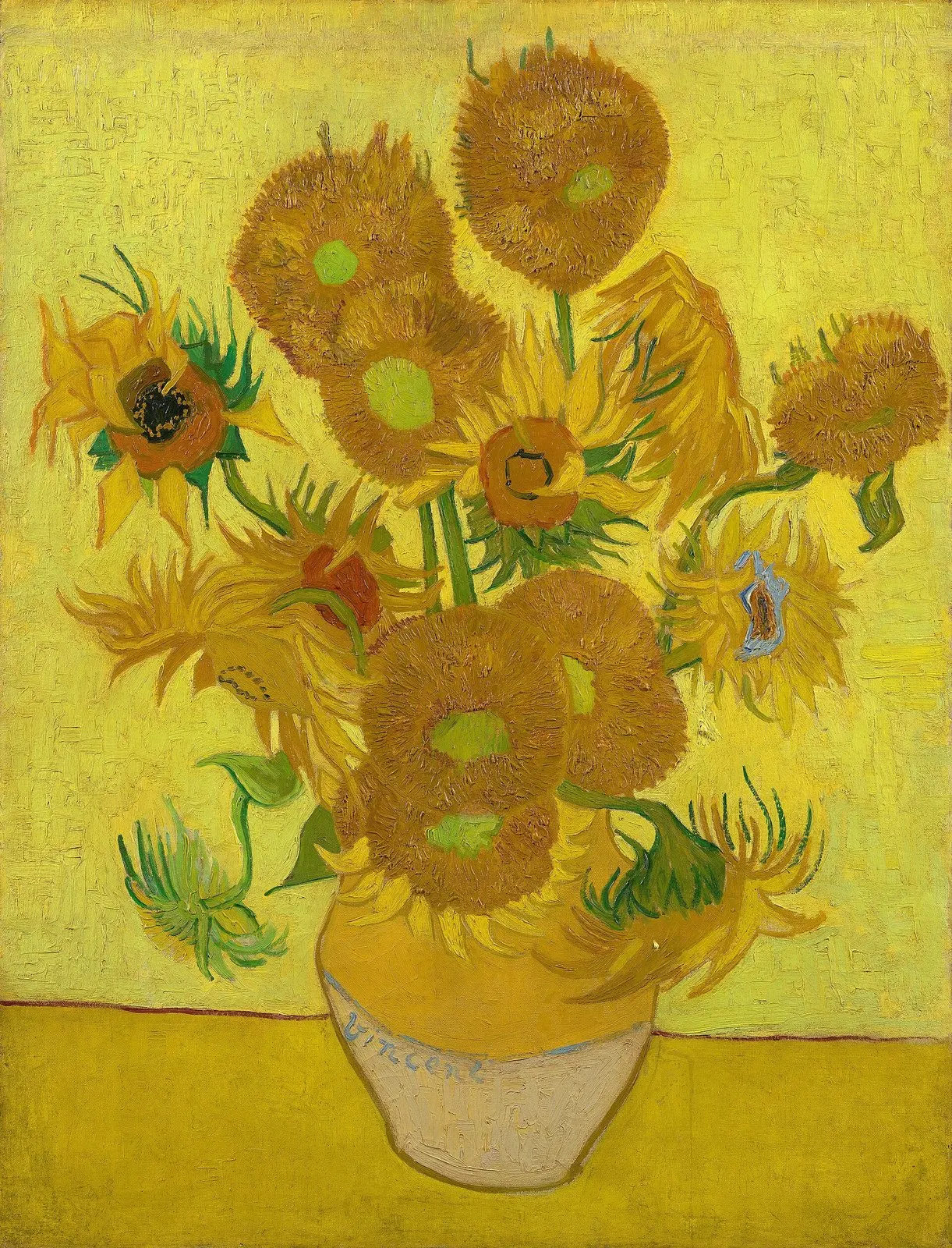
Sunflowers: flowers for a friend

He painted them for Gauguin's room, so that his friend would arrive, see yellow upon yellow and understand how good it was here. Gauguin arrived. Everyone knows how that ended. I will tell you why there are several versions of the sunflowers, why yellow of all colours, and what that paint does with time — it is fading right now, and nothing can be done about it.

Vincent van Gogh's painting The Bedroom in Arles

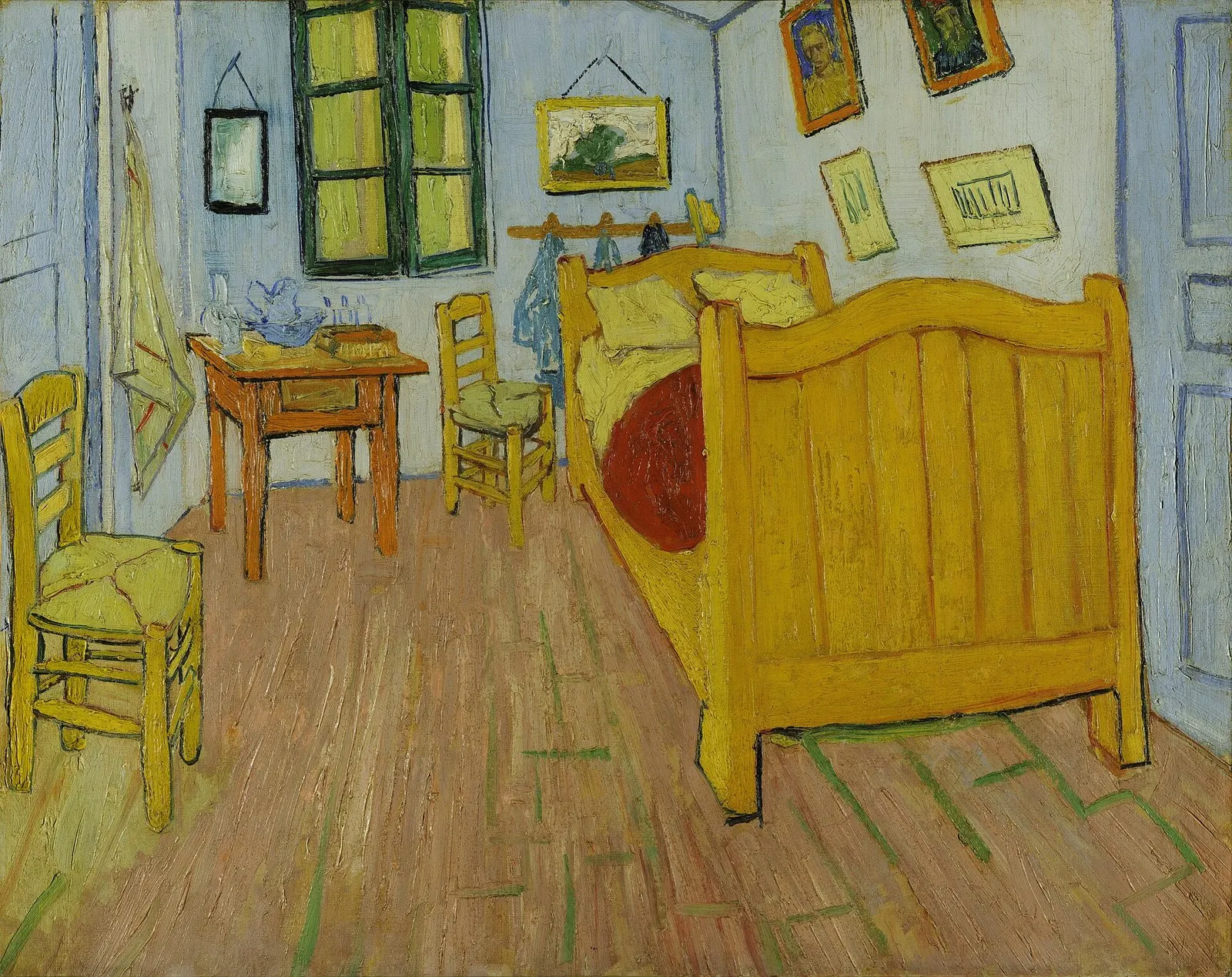
The Bedroom: a room meant to bring calm

A simple room: a bed, two chairs, a window. He painted it when he felt happy, and wanted the picture to give off «rest». We will look at why the floor tilts, why the walls do not meet in the corners — and why this is not a mistake but a decision. And why this particular room became one of the most famous in the world.

Vincent van Gogh's painting The Potato Eaters

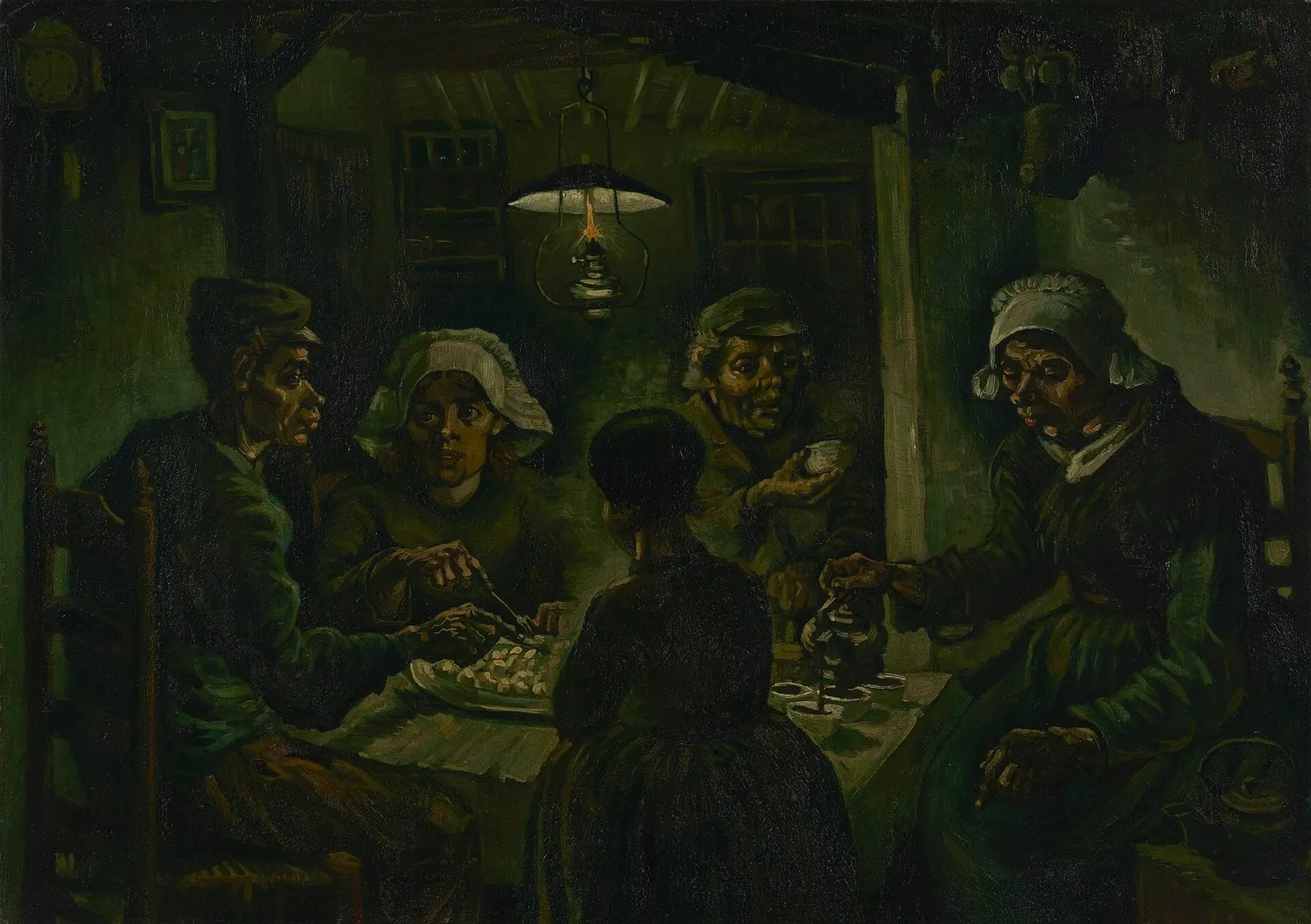
The Potato Eaters: the dark painting he was proud of

No yellow yet, no sun — muddy green tones and five faces around an oil lamp. Van Gogh considered this his best work and was badly hurt when it was not understood. We will talk about why he wanted the hands in the picture to look «like the earth itself», and what painting peasants meant to him.

Vincent van Gogh's painting Almond Blossom

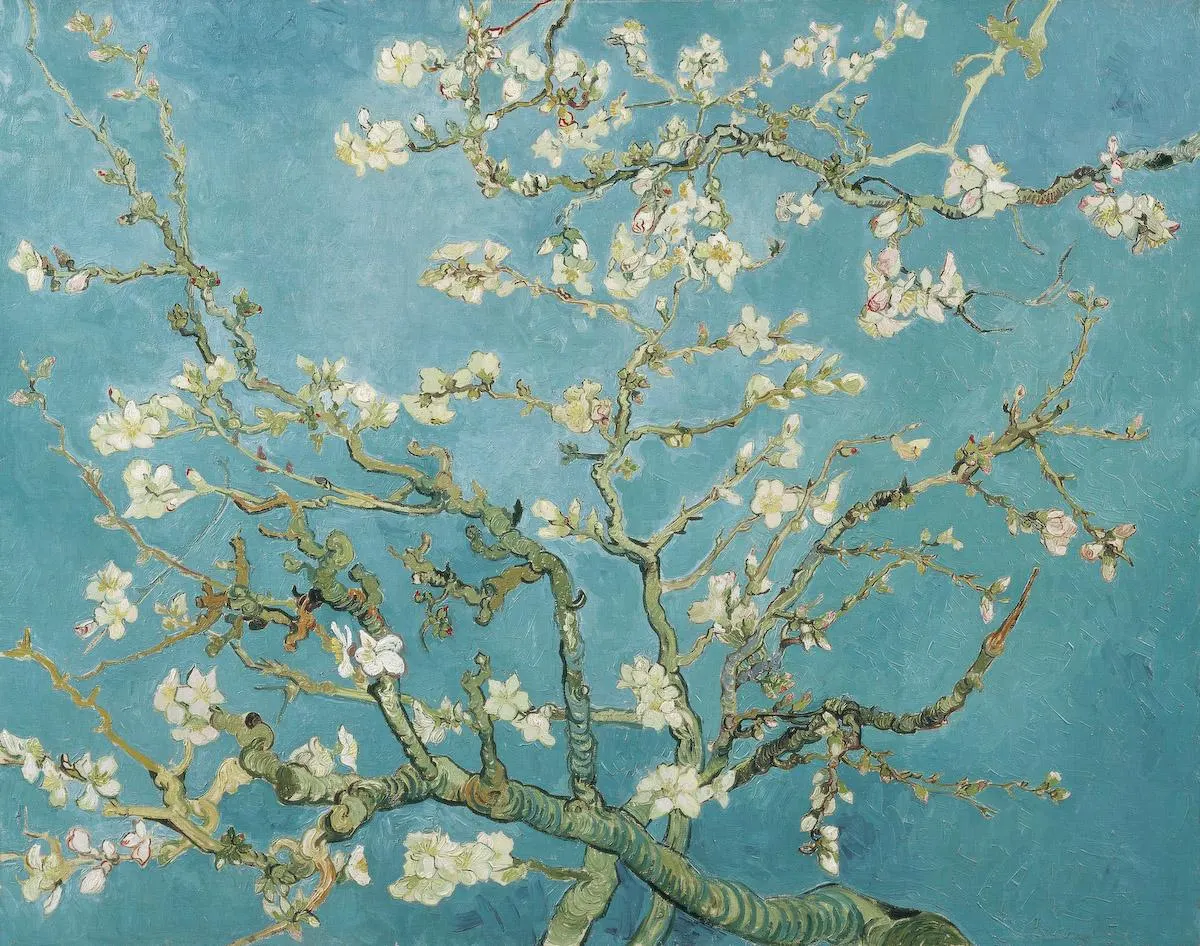
Almond Blossom: a present for a newborn

His brightest painting was made in a hospital. His brother Theo wrote that a son had been born and that the boy was named Vincent. In reply the artist painted a blossoming branch against a blue sky — for the child's room. He had a few months left to live.

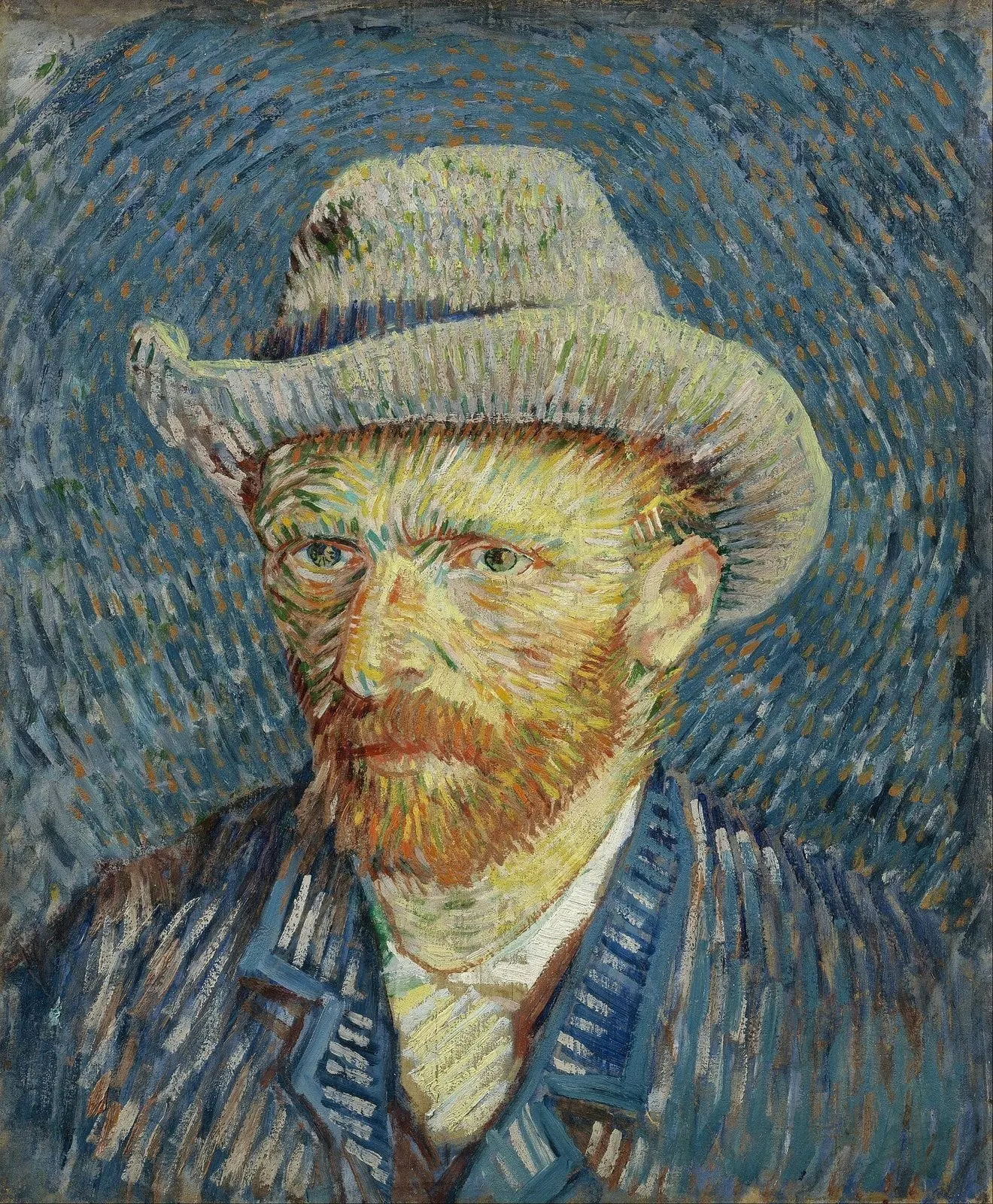
Vincent van Gogh's self-portrait in a grey felt hat

Self-portrait: thirty-five faces

He painted himself again and again — not out of self-love, but because a model cost money and there was no money. More than thirty self-portraits in a few years. We will look at how his life shows through them: it is not only the face that changes, but the brushstroke itself.

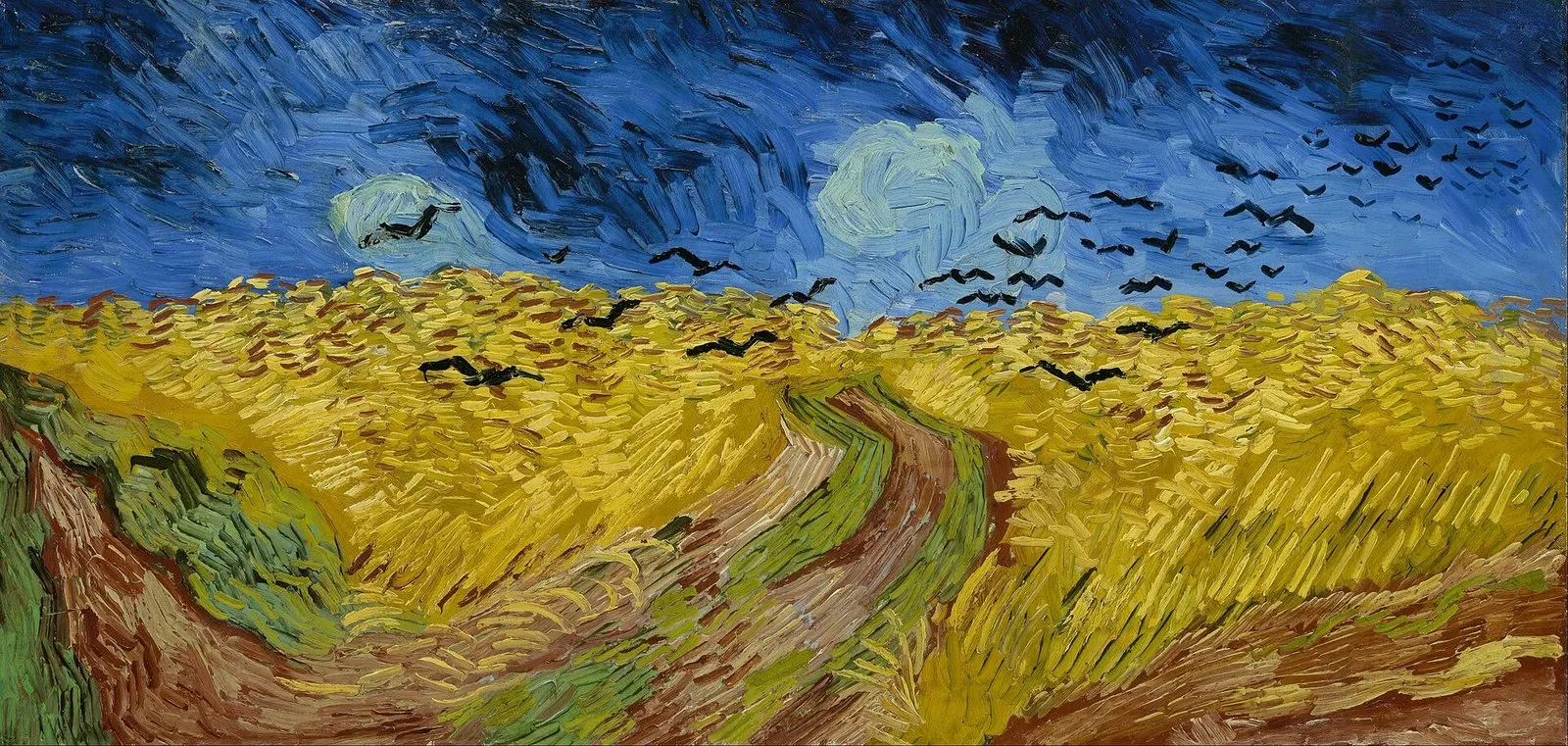
Vincent van Gogh's painting Wheatfield with Crows

Wheatfield with Crows

For decades this painting was called his last and read as a suicide note: black birds, a road leading nowhere, a heavy sky. In fact it was not the last. We will work out where the legend came from and what he himself wrote to his brother about these fields — words quite unlike what people expect from him.