Skip to content
Once in The NL

Rijksmuseum. The State Museum

Through years, through epochs

AmsterdamPrivate group
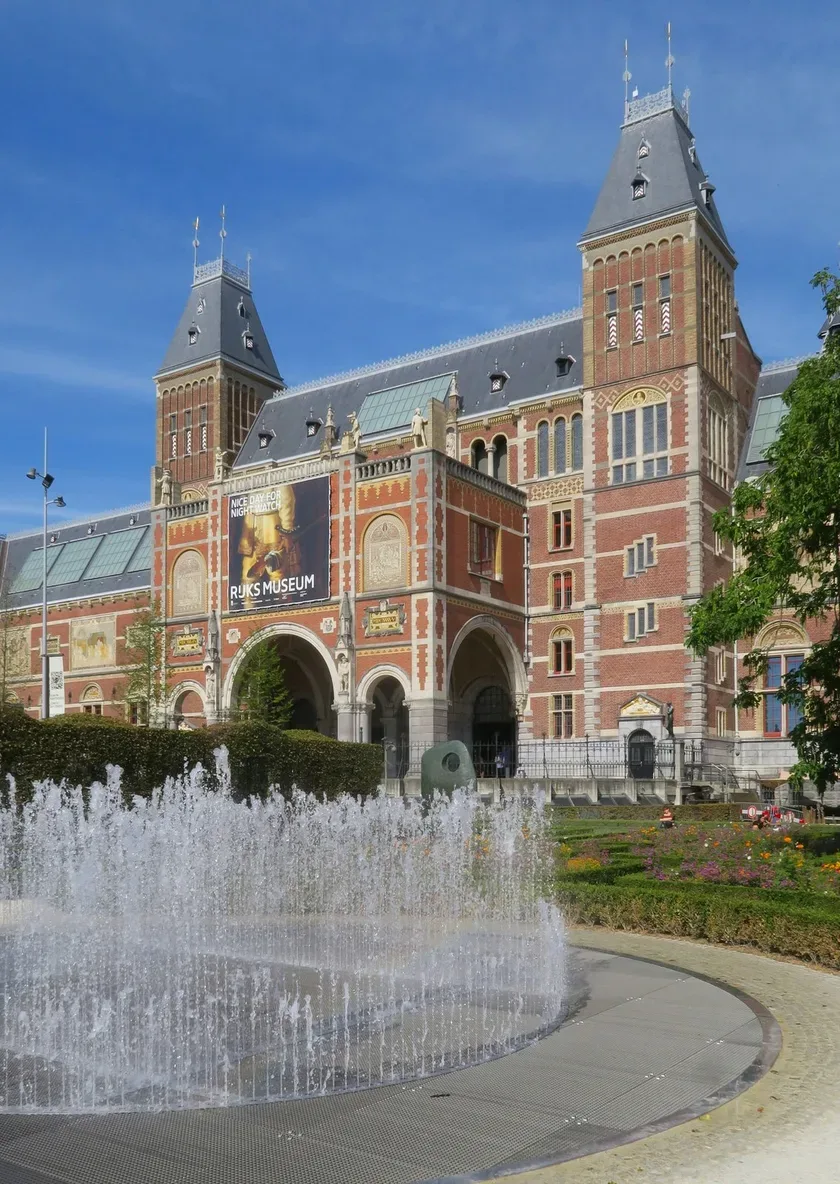
The Rijksmuseum building with its fountain

Through the years, through the ages

The Rijksmuseum is not simply a museum. It is eight centuries of the country gathered under one roof: from medieval altarpieces to an aeroplane hanging from the ceiling. But people come, of course, for the Golden Age — and for a handful of paintings the whole world knows.

We will not walk through all two hundred rooms; that is impossible and, frankly, unnecessary. Instead we will take the route that lets you see what matters without collapsing from exhaustion. I will explain what actually makes these paintings great — because the word «genius» on its own explains nothing.

We will talk about the people in these pictures: who they were, how much they paid for their portrait and why they stand exactly like that. About the painters: which of them died rich and which in a debtors’ prison. And about the museum itself: how it was built, why it nearly set the whole country quarrelling, and what is hidden in its vaults.

Some of our stops

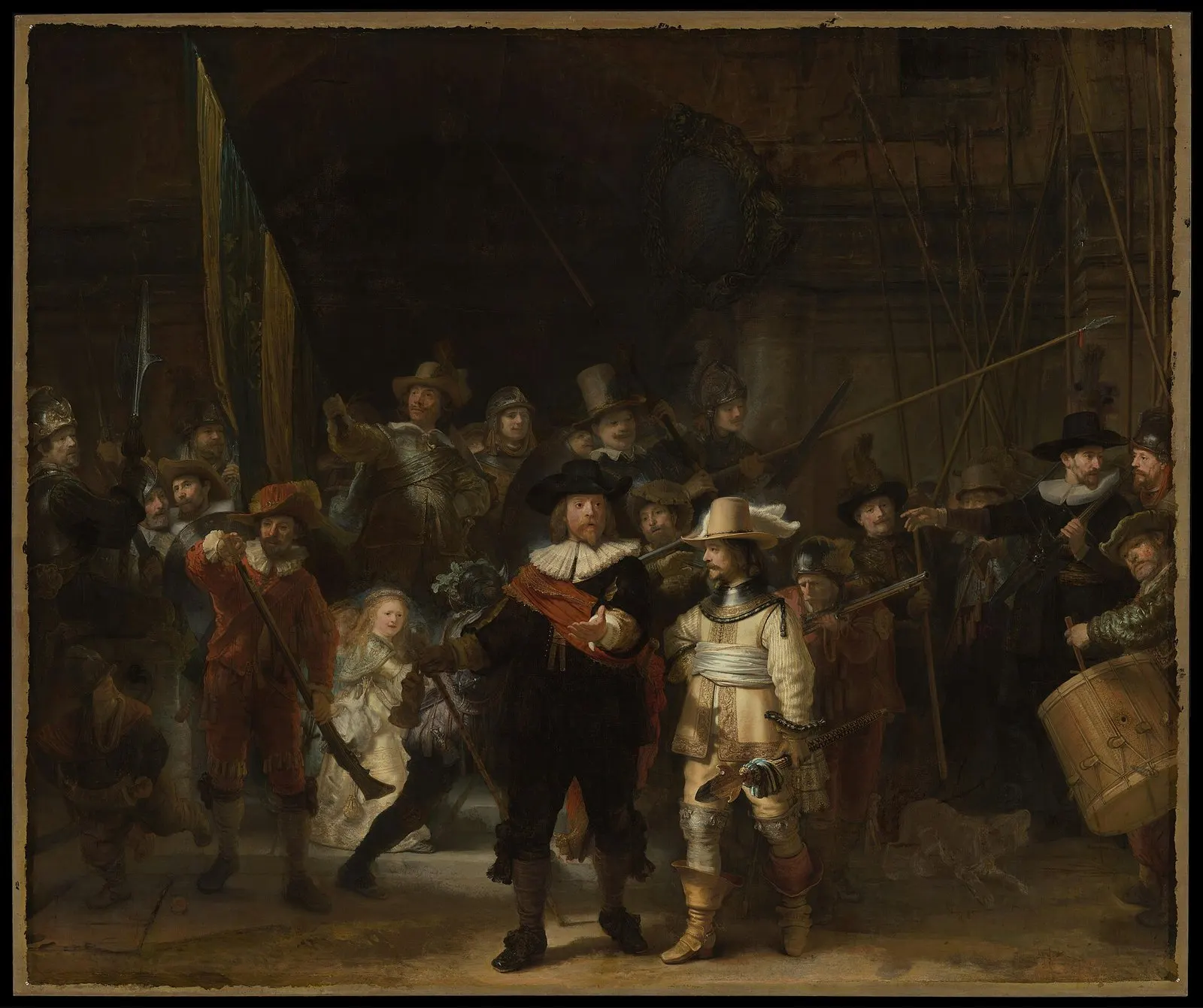
Rembrandt's painting The Night Watch

The Night Watch: a painting rescued twice

The main encounter of the museum. An enormous canvas that millions come to see — and which was once simply trimmed on all sides to fit between two doors. And that is not the worst thing that has happened to it. I will tell you why The Night Watch is not a night scene at all, who these people in strange costumes were, and why each of them paid his own separate sum for a place on the canvas. And how the painting was saved during the war, and what is being done to it right now, in front of visitors.
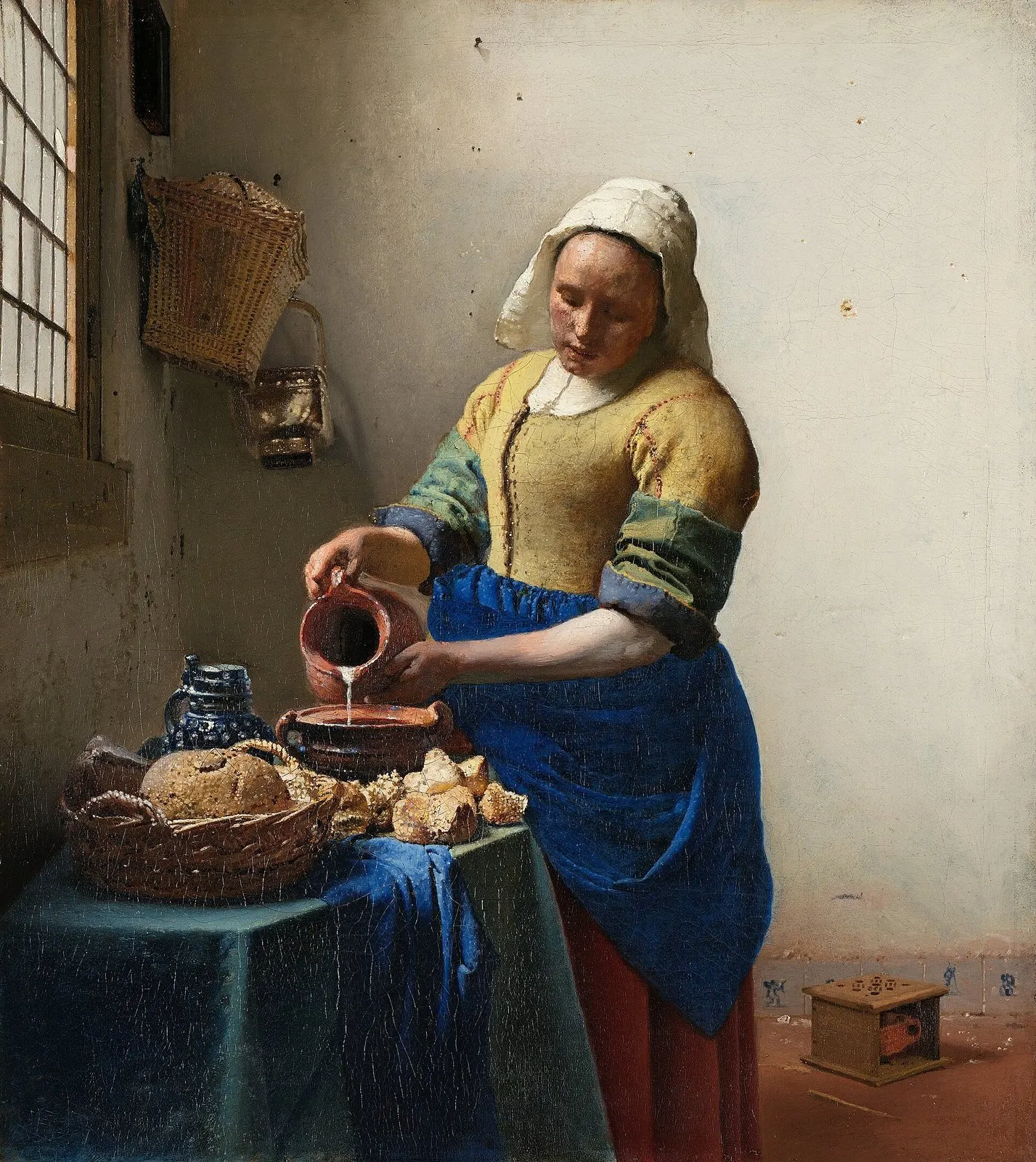
Johannes Vermeer's painting The Milkmaid

The Milkmaid: a silence you can hear

A small painting with a permanent crowd in front of it. An ordinary woman pours milk, and nothing else happens. Yet it is impossible to walk away. We will look at how Vermeer turned a domestic scene into something close to sacred, where that famous blue light comes from, and what small detail in the corner still keeps historians arguing.

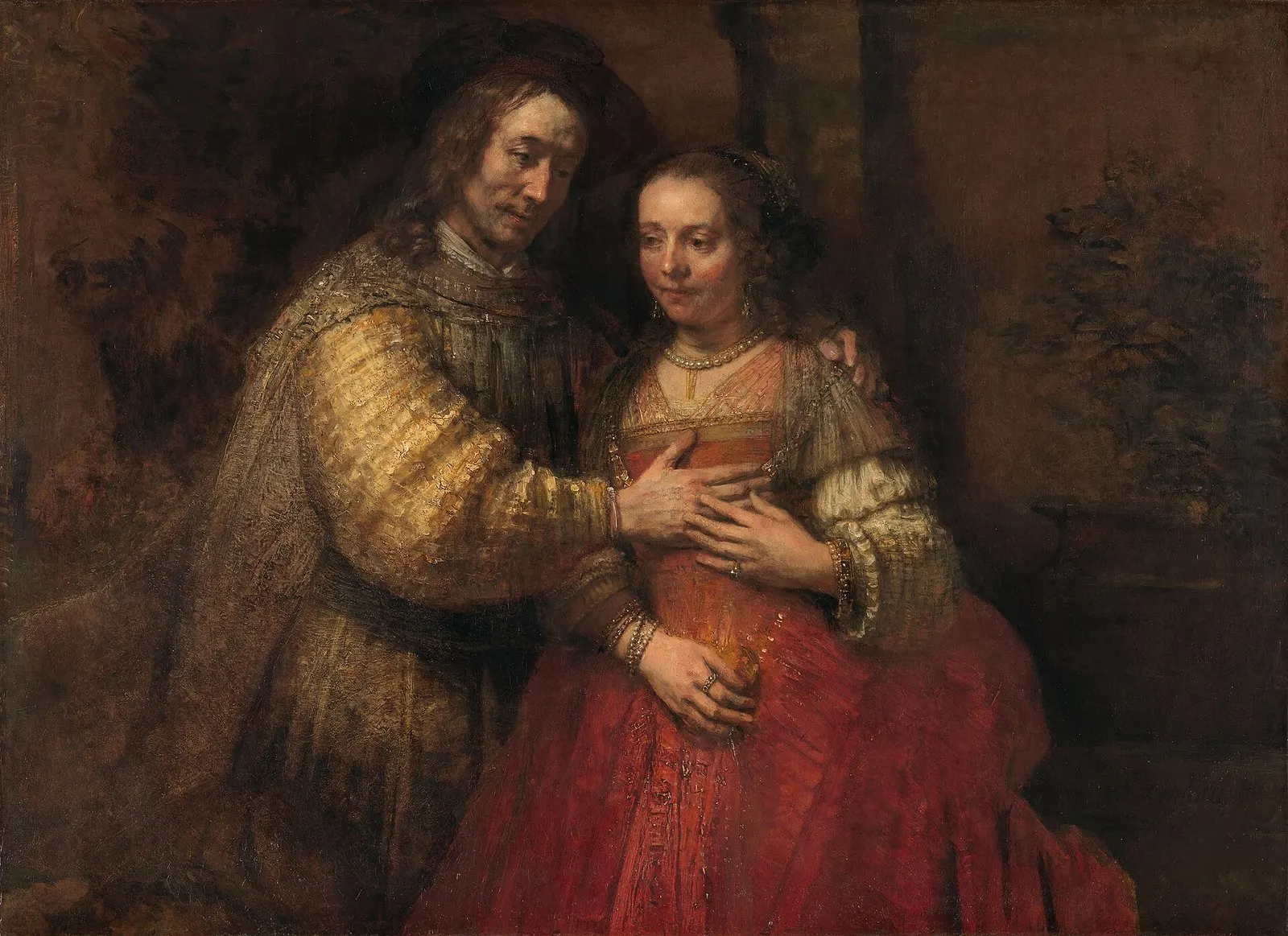
Rembrandt's painting The Jewish Bride

The Jewish Bride: two years of life for this painting

«I would give ten years of my life to sit before this painting for a fortnight with only a crust of bread» — that is what Van Gogh wrote to his brother. Late Rembrandt, paint laid on almost with the fingers, and the result is the tenderest gesture in all Dutch painting. Who the two of them were is still unknown. We will go through the theories.

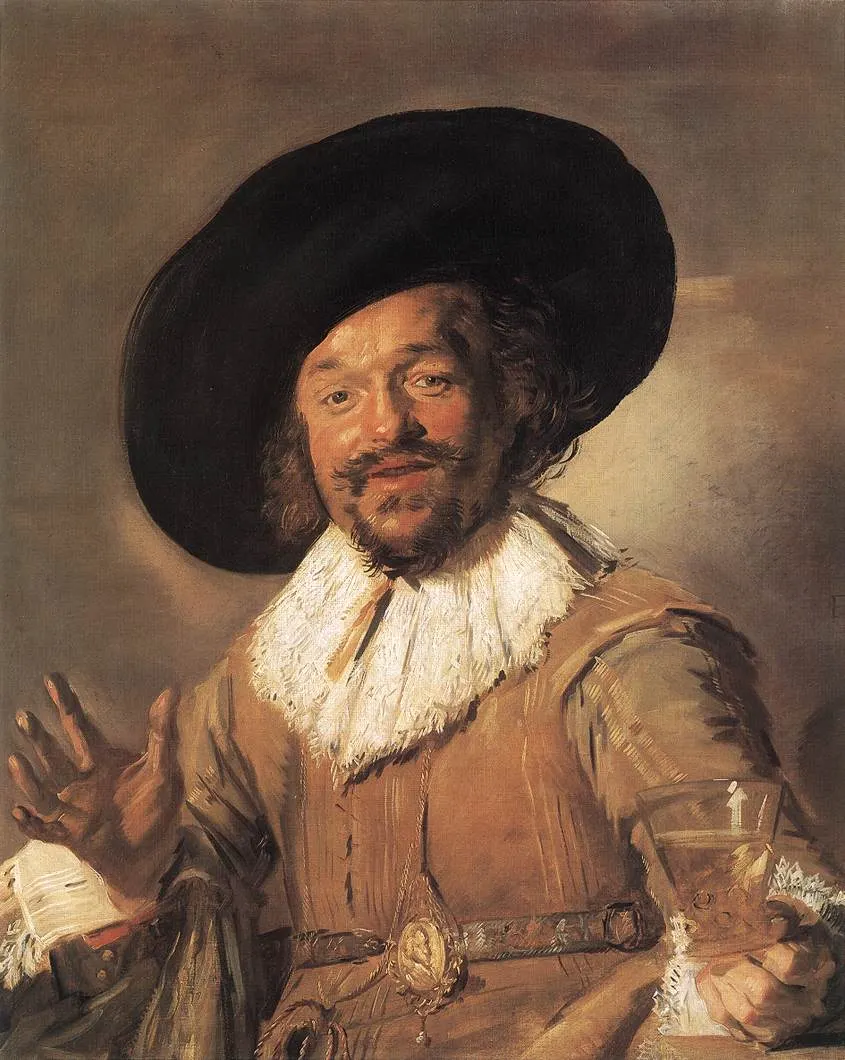
Frans Hals's painting The Merry Drinker

The Merry Drinker: a portrait that laughs

In a century when a portrait meant standing straight and gazing into eternity, Frans Hals painted people as if he had caught them unawares. This man has just said something and is about to laugh. The brushwork is quick, almost careless — and that is exactly why the portrait is alive. We will work out why his contemporaries thought Hals sloppy, and why two centuries later the Impressionists studied him.

Johannes Vermeer's painting Woman in Blue Reading a Letter

Woman in Blue Reading a Letter

Another Vermeer, and again nothing happens. A woman stands by the window with a letter. Who is it from? Why is she reading standing up rather than sitting? And why is there a large map behind her? With Vermeer there are no trifles: every object means something. We will try to read this painting the way his contemporaries did.

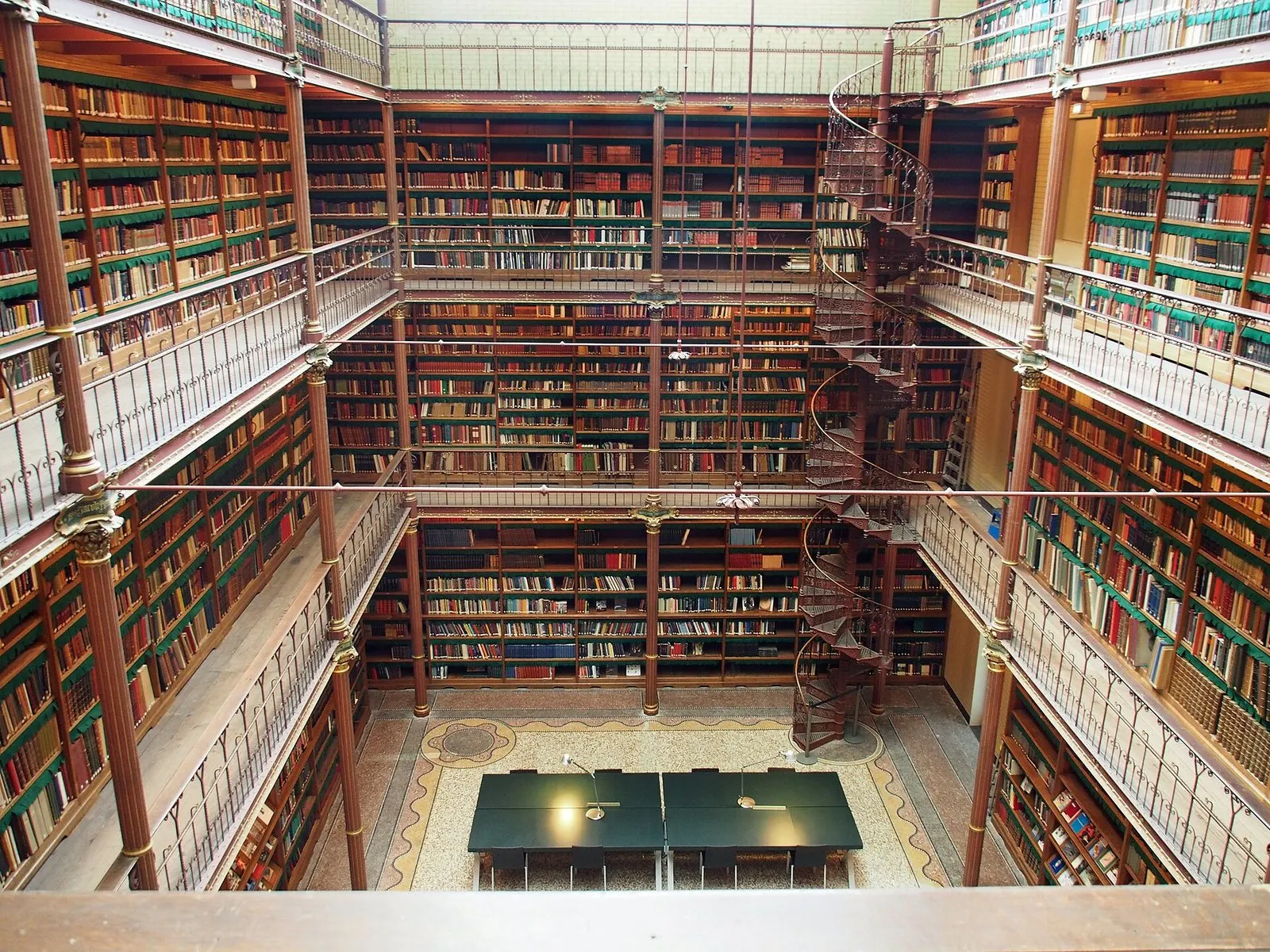
The reading room of the Rijksmuseum library with tiers of bookshelves

The library not everyone knows about

The largest art library in the Netherlands sits inside the museum itself. Openwork galleries, a spiral staircase, rows of book spines up to the ceiling. Many people walk straight past without even looking in. And inside is a separate world — and quite possibly the most beautiful room in the whole building.