The Hague
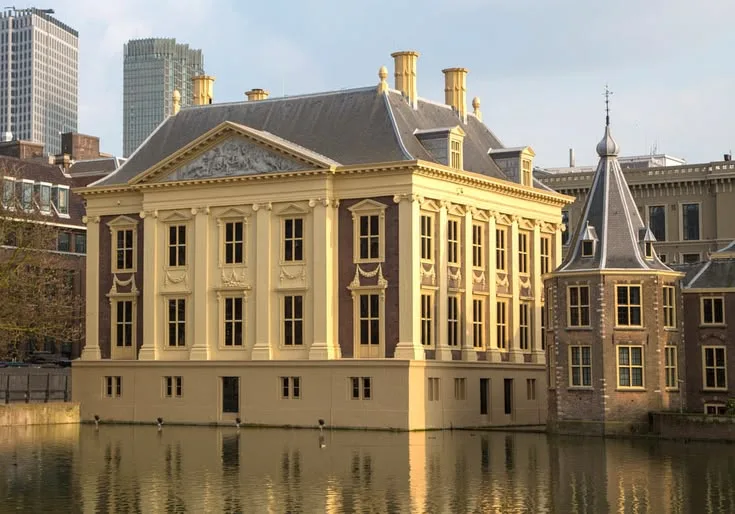
The Mauritshuis. Masterpieces of the Sugar House
- Paintings that outlived the centuries — and still unsettle
- Rembrandt, Vermeer and other geniuses of the Golden Age
- What the famous masterpieces are really hiding
- The "sugar palace" that became a home for art
- How the Dutch turned great art into great business
The Mauritshuis is one of the five finest museums in the world and the absolute champion in masterpieces per square metre
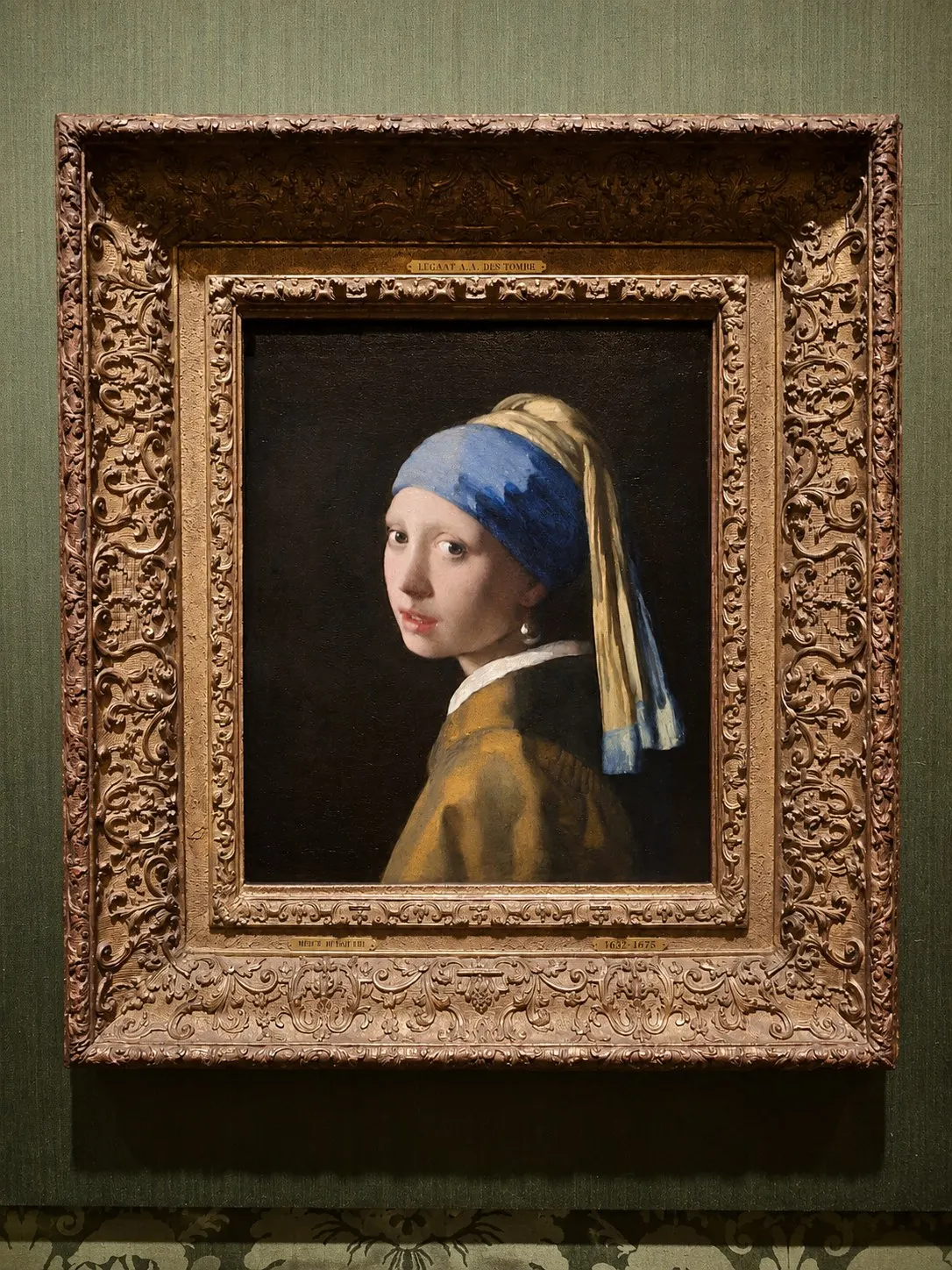
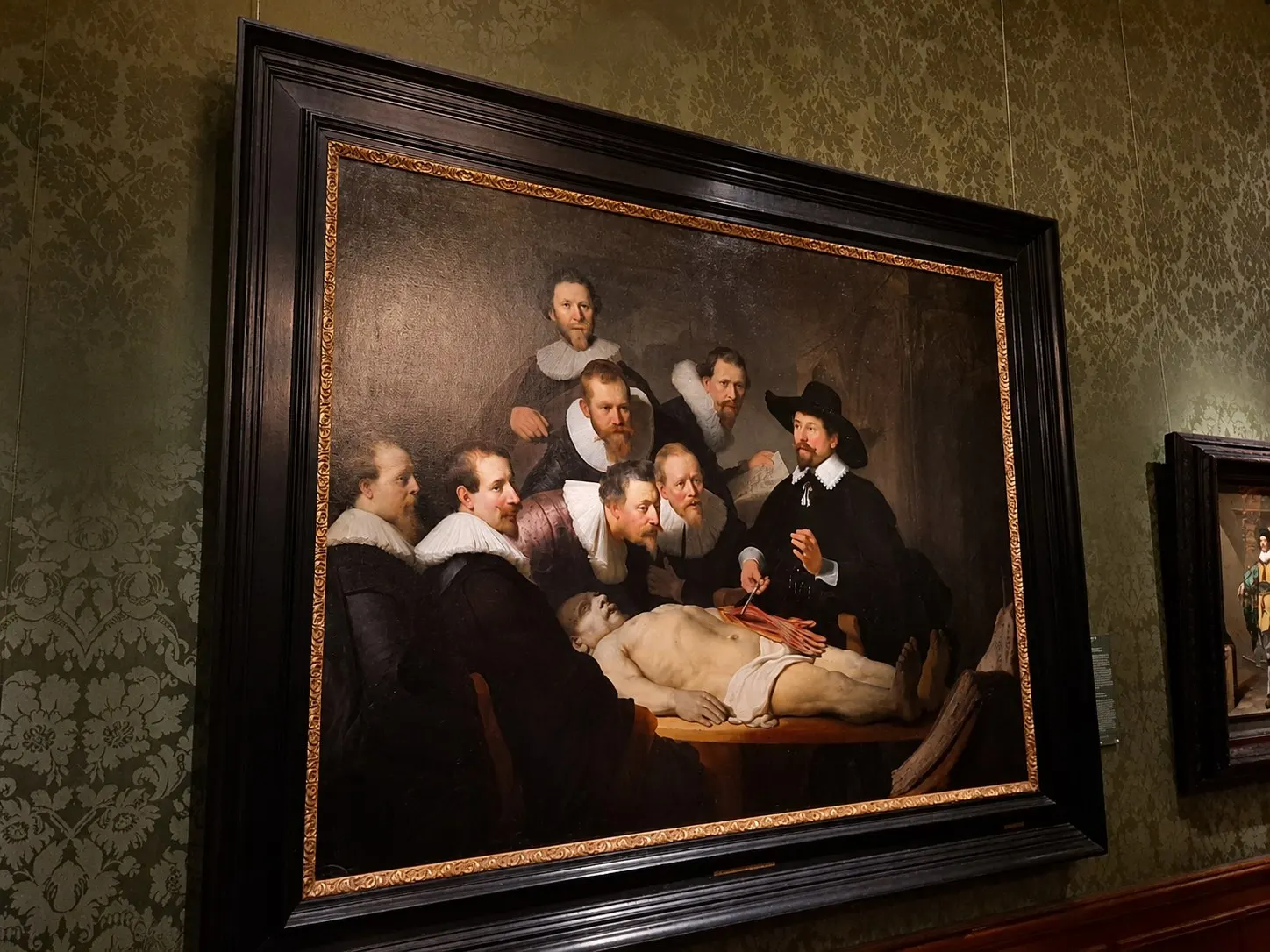
By comparison it is a very, very small gallery. Yet it can boast countless artistic treasures. It is here that the enigmatic Girl with a Pearl Earring, painted by Johannes Vermeer, resides and gathers crowds of admirers every day. It is here that Doctor Tulp, Rembrandt’s patron, gives his anatomy lesson. Here Hendrick Avercamp’s cheerful Dutchmen skate on the ice, and here, on the lush meadows of The Hague, Paulus Potter’s young bull has been grazing for almost four hundred years. And who is not here — even the falconer of King Henry VIII of England himself.
We will look at all this indescribable beauty, and I will entertain you with stories about the paintings, their tangled plots, their mysterious meanings and their brilliant authors. And of course about the Sugar House itself, with its long, fascinating, far from ordinary history. I will also tell you how here too, in painting, the Dutch made a strategic breakthrough — and turned this art from something elite and exclusive into something popular and accessible to almost everyone.

The “Dutch Mona Lisa” — the Girl with a Pearl Earring has set us so many riddles that there is little hope of any clarity in the near future. Who was this gentle beauty, and what connected her to the great Vermeer? Is her pearl earring even real? Why is she wearing an oriental turban — a girl from the seventeenth-century Netherlands? And which of the master’s hidden techniques make this painting quite so compelling?
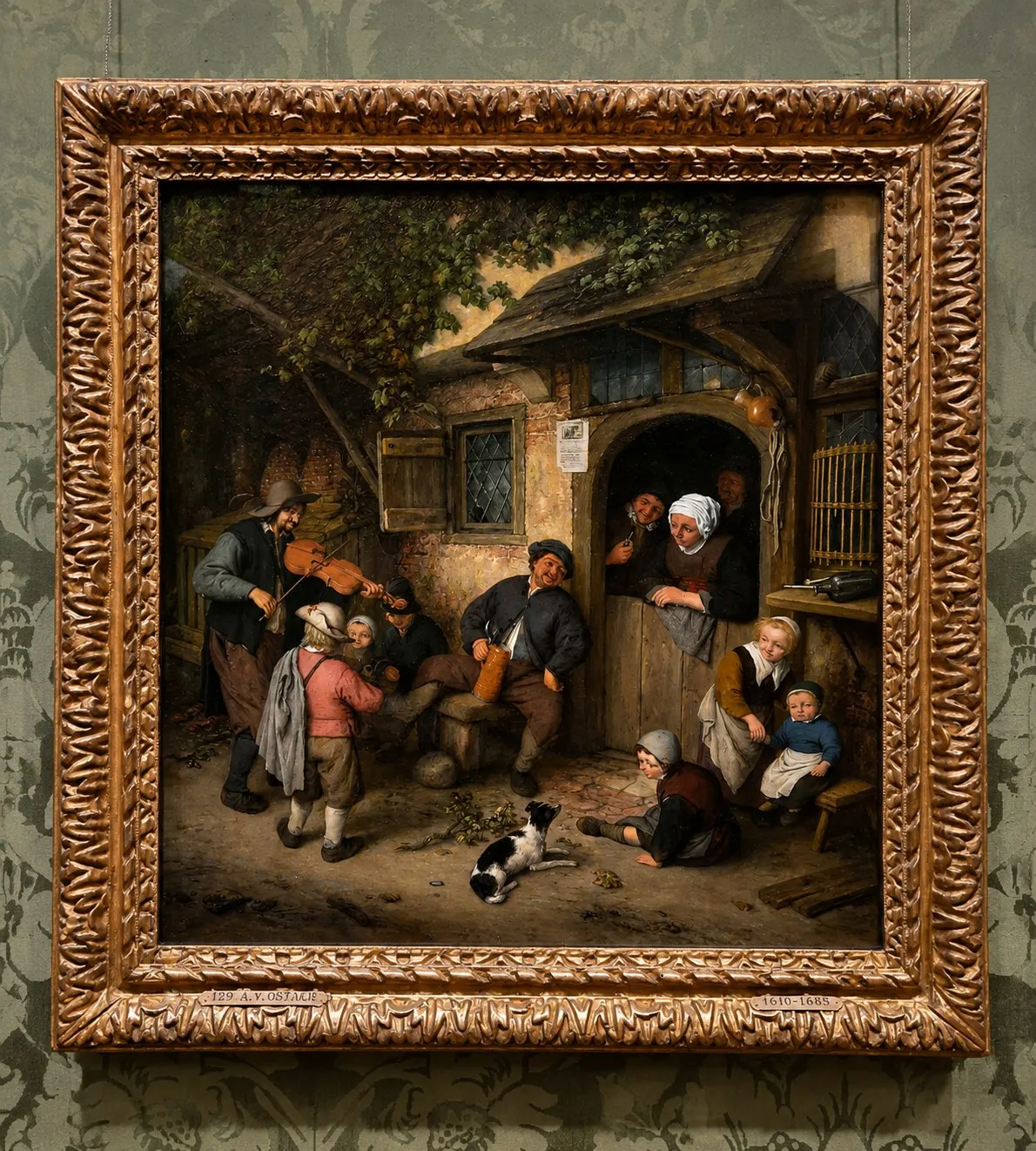
Genre scenes from the life of ordinary people, adored by the Dutch: village festivals, scenes in taverns or in parlours, and their characters — cheerful, drunk, uninhibited, free. The true master of this genre was the unrivalled Jan Steen. A unique artist who spent his whole life searching for his place and his trade. He changed cities, circles and businesses. And in the end he entered the history of world art thanks to the craft that at the time simply helped him stay afloat.
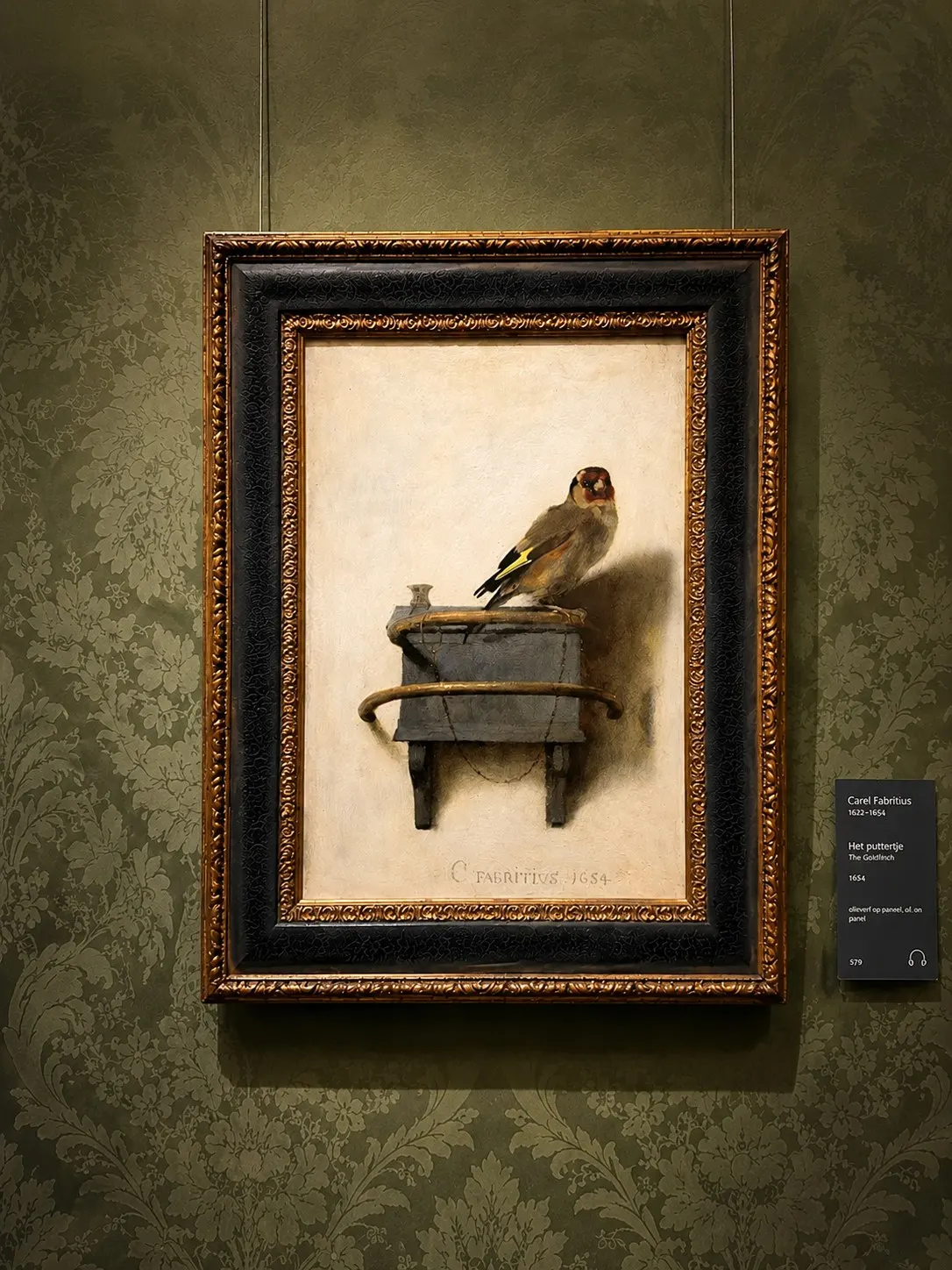
One of the museum’s principal masterpieces is a small painting by Carel Fabritius of a little bird that seems about to turn its head and start singing. The Goldfinch astonished both contemporaries and descendants; books were written and films made about it, and its image has appeared on a postage stamp. Sadly, the artist’s own fate was tragic: his very young life was cut short in one of the most terrible disasters in Dutch history. As for the fate of the painting, one could write a genuine detective novel — so long and so tangled was its road to the Mauritshuis.
It was with this painting that the brilliant rise of young Rembrandt’s career in Amsterdam began. He was the first to execute a commission for a group portrait of a city guild in this particular way — and it caused a sensation. This painting also conceals many details that can tell us a great deal about the Amsterdam of that time, about the master’s distinguished sitters, and about Rembrandt himself.
From the paintings of this brilliant urban artist, historians were able to establish exactly how Golden Age Amsterdam looked, down to the smallest detail — because every square, every street and every courtyard was drawn with photographic precision and the highest skill. Yet for the artist himself, painting was merely a pleasant hobby. He entered the country’s history mostly for other, extraordinarily important achievements.
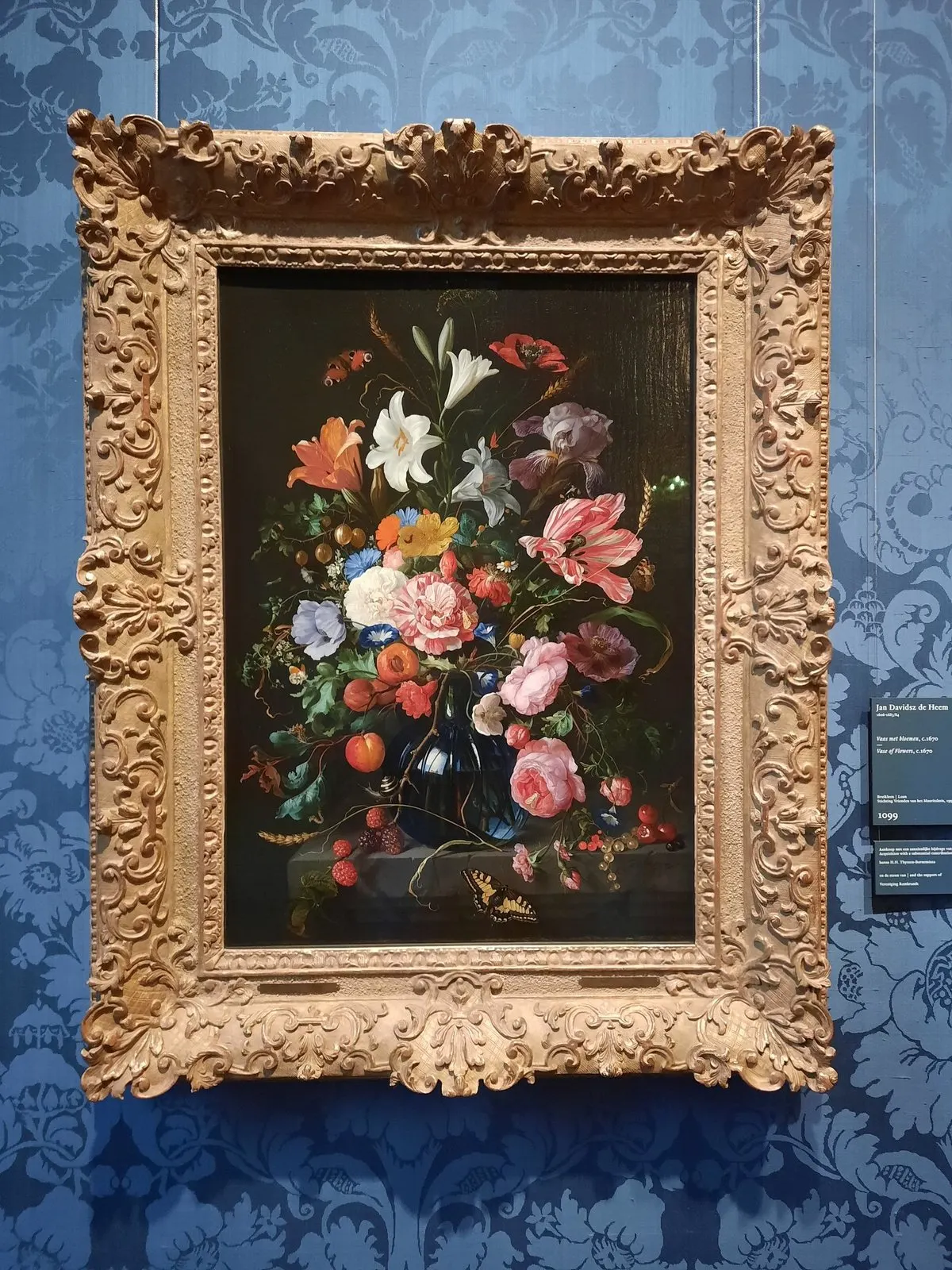
Such fantastic flower still lifes made up an entire separate genre, invented by the Dutch. Many artists — men and women alike — specialised precisely in such paintings, and their work was in furious demand. The paintings of some masters cost more in their time than works by Rembrandt, and commissions were queued up years in advance. But beyond their beauty, these paintings are filled with symbols through which the artist could speak to the viewer.
This tour is perfect if you
- love art but dislike dull museum lectures
- want to see masterpieces by Rembrandt, Vermeer and other great masters in person
- are curious about what really goes on beyond the subject of a painting
- want to learn why it was Dutch painting that became revolutionary
- enjoy unravelling mysteries, noticing details and seeing familiar paintings with entirely new eyes
- wish to get to know the Mauritshuis not merely as a museum, but as a place where the Dutch Golden Age comes alive