
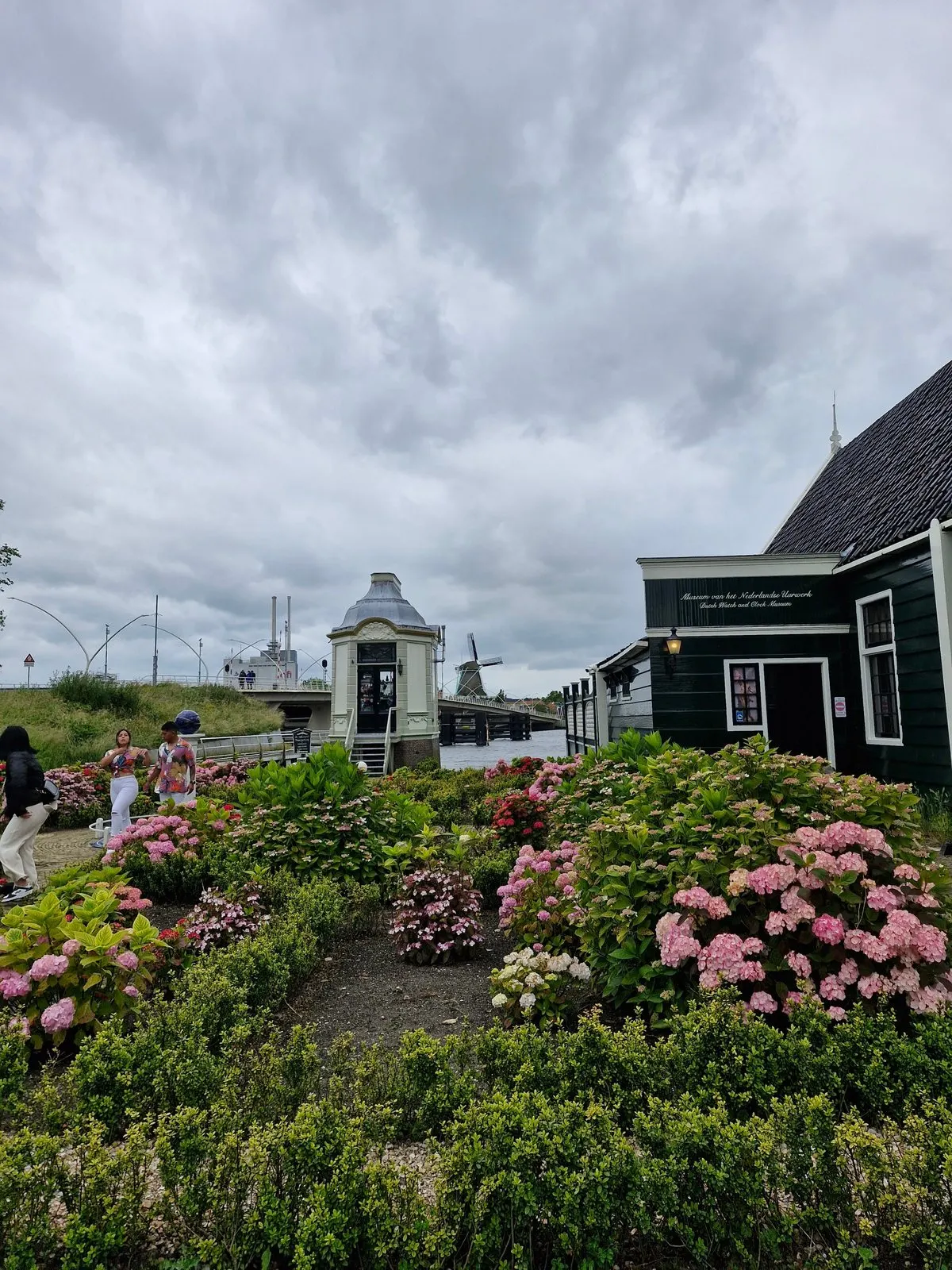
The tea house
A small wooden pavilion that is easy to walk past. Such houses were once built beside the water for one purpose: to sit, drink tea and watch the ships go by. Wealthy Zaan families valued that quiet luxury.
An overview tour
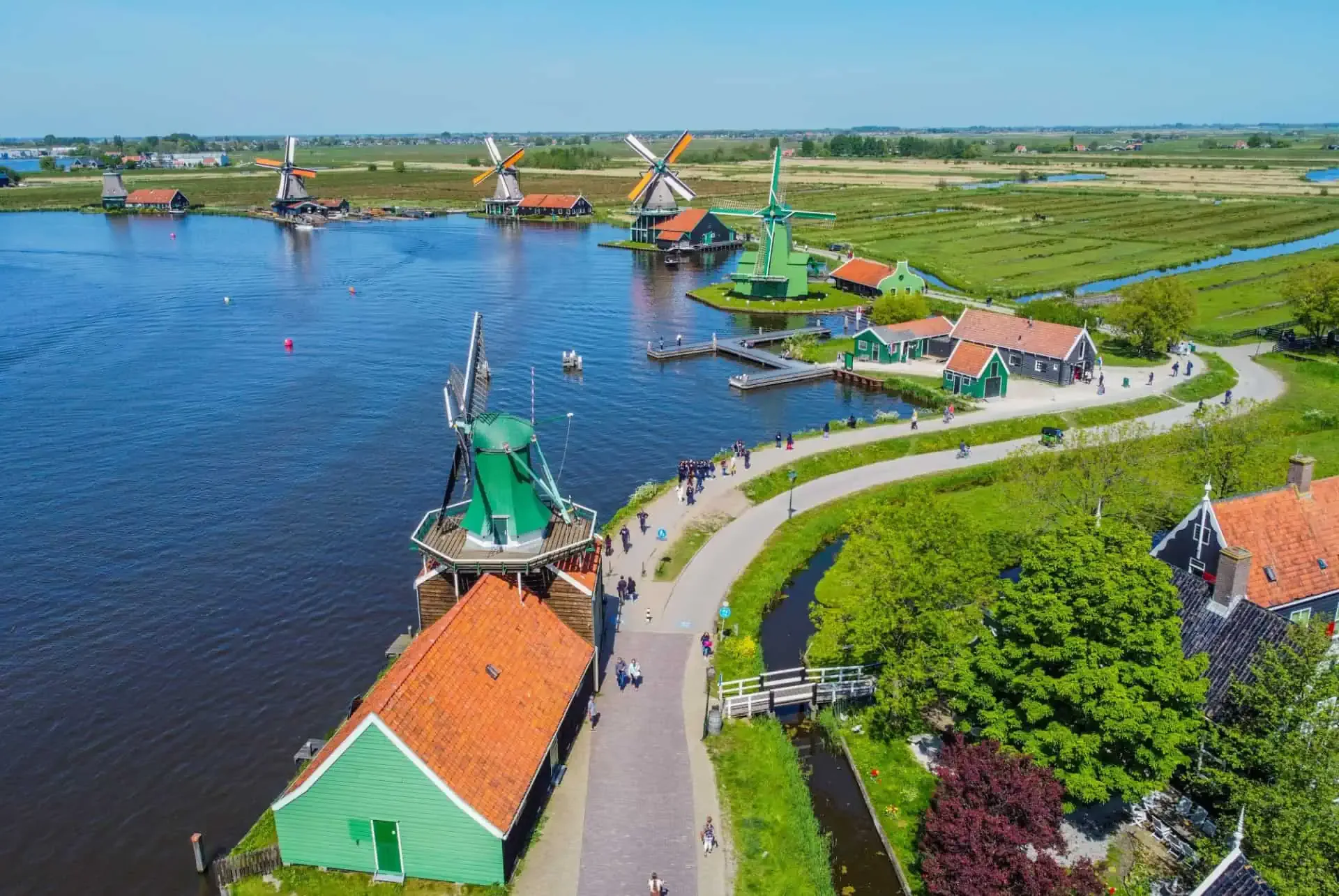
Do you think windmills exist only to grind flour?
And what do you know about the famous Dutch wooden shoes — clogs — and the kinds there are? The wonderful open-air museum that is also a real village, Zaanse Schans, north of Amsterdam, will show you everything, and I will gladly tell you the stories :) You will learn how engineering thought, multiplied by wild winds, changed the life of an entire country. We will step into a workshop and see how clogs are made. We will visit a huge cheese dairy, taste delicious chocolate — which also has a direct connection to this place — look at the pretty green wooden houses of the region along the river Zaan, and learn a great deal about its inhabitants: millers, merchants, bakers and whalers. Here you will find that pastoral, Instagram-perfect Holland from the postcards — simple, sincere and very real. And on the way we will drop into the town of Zaandam, where you can have your photo taken against one of the most original hotels in the world :)
The tour lasts 3.5 hours. It starts at Amsterdam Central Station and covers the grounds of the Zaanse Schans open-air museum and the Inntel Hotel in Zaandam.
This tour is a journey into the Netherlands as people imagine it in their dreams: with windmills, fairy-tale green houses, the scent of fresh cheese and the quiet rhythm of old life.
We will set off for Zaanse Schans — a unique place that preserves the atmosphere of a traditional Dutch village of the seventeenth and eighteenth centuries. Everything here looks as if time had slowed down a little: wooden houses, narrow bridges, canals and the famous windmills, still working.
We will walk among the historic houses and look into the workshops where old crafts are kept alive to this day. We will see how cheese is made to traditional recipes, learn the secrets of making the famous wooden clogs, and get a feeling for the everyday life of the Dutch a few centuries ago.
A special place in this journey belongs to the windmills, the true symbol of the Netherlands. We will learn how they work and what role they played in the country’s development, from producing paint to processing timber and spices. And most importantly, we will understand how exactly these machines became part of a great history: how, thanks to windmills, the Netherlands was able to build a powerful fleet, develop trade and, in the seventeenth century, effectively rule the seas and oceans.
Small museums await us, and cosy corners, and views you want to photograph at every step — but above all, a feeling: as if for a moment you had ended up in another era.
This is not merely a trip for beautiful photographs. It is an acquaintance with the roots of the Netherlands — simple, sincere and very real.
You will not just see “that Holland” — you will feel its atmosphere. And you will understand how small technologies create great empires.
A small wooden pavilion that is easy to walk past. Such houses were once built beside the water for one purpose: to sit, drink tea and watch the ships go by. Wealthy Zaan families valued that quiet luxury.
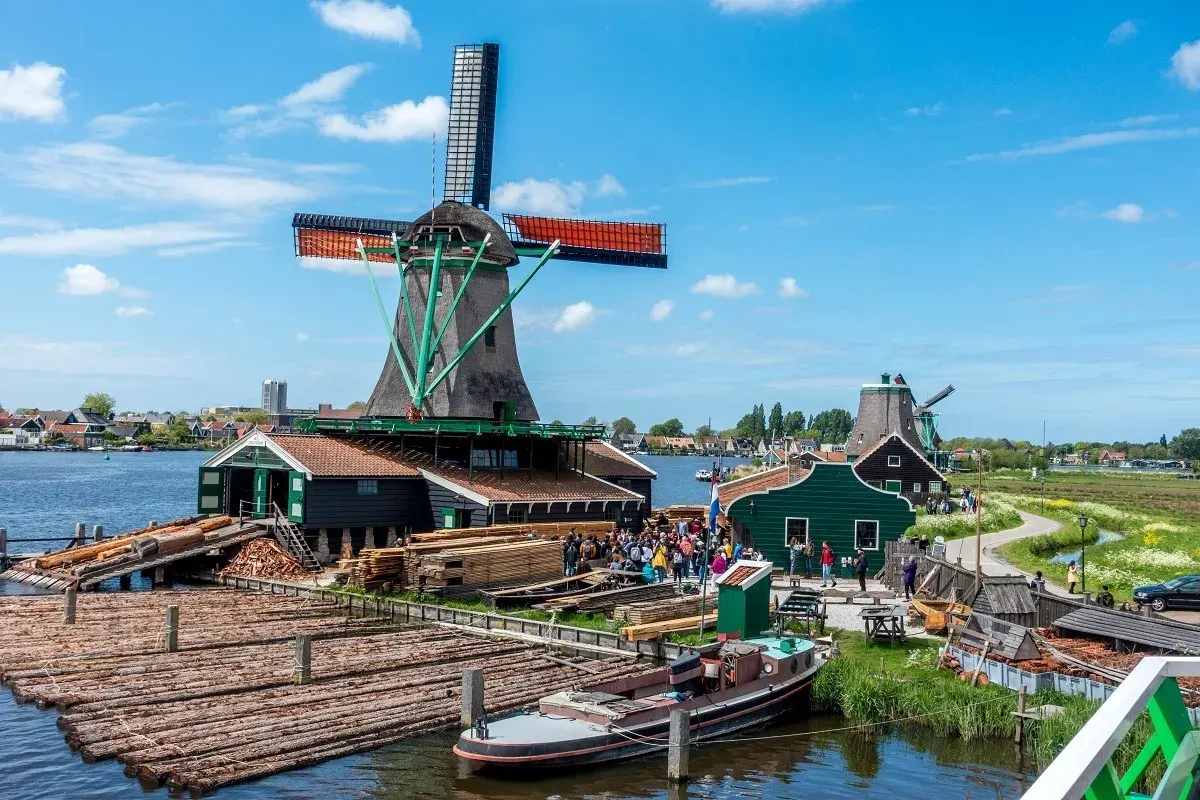
“The Young Sheep” is a sawmill, and mills like this made the Netherlands a maritime power. Before them, planks were sawn by hand and a single ship took months. The mill cut that time many times over.
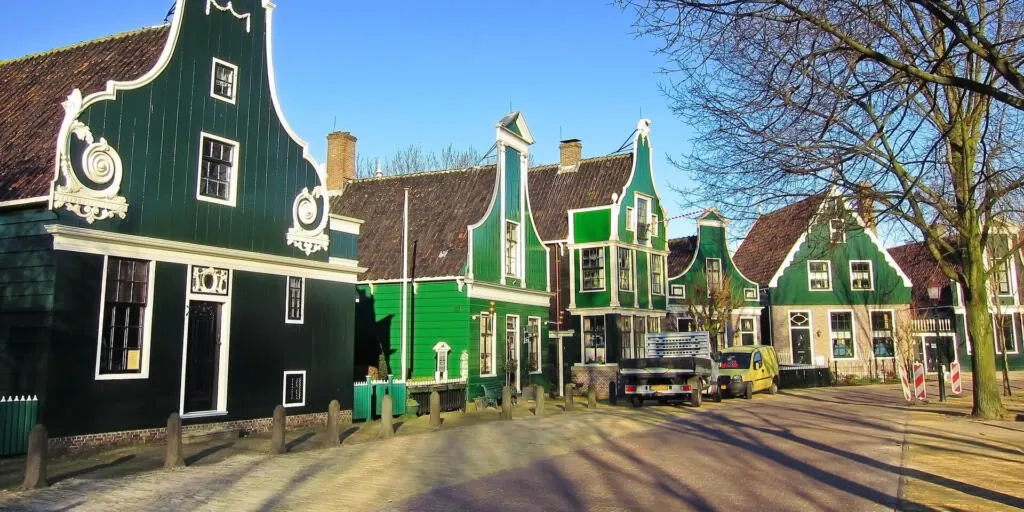
A green wooden house, typical for these parts. The owner's trade was anything but typical: whaling meant going north for many months with no guarantee of return. Those who did come back with a cargo grew rich.
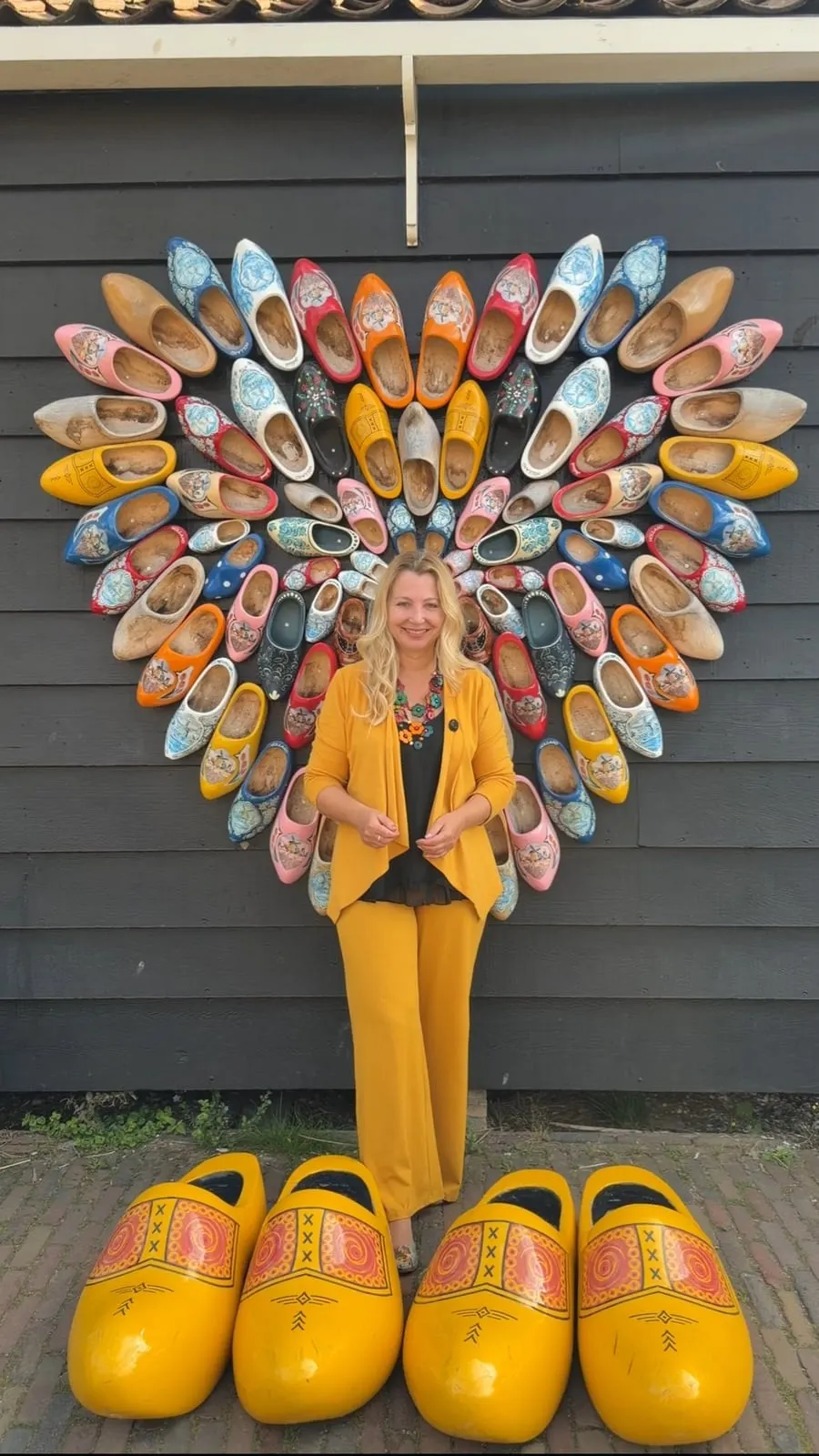
Wooden shoes are not a souvenir or a costume for tourists. They are the working footwear of a country standing on water: in a bog a leather shoe soaks through within the hour, a wooden one does not.
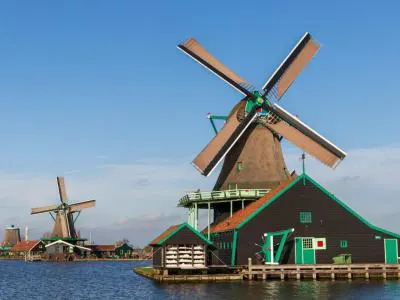
“The Cat” is a dye mill, and there is no other working one like it in the world. Stone and wood were ground here into pigment. The very paints the Dutch masters used were born in a mill like this.
.Dx-MsCWd_RM7MB.webp)
One of the most original hotels in the world: the building is assembled from some seventy stylised Zaan houses stacked on top of one another. It looks like a child's construction set, and is in fact a tribute to local architecture.