Amsterdam
Rembrandt
The Legend and the Living Man
- Rembrandt's life beyond the museum walls
- Light and shadow, and not only on canvas
- His muses, his loves and his losses
- The path of a genius: from fame to solitude
- The legend behind which a man is hiding
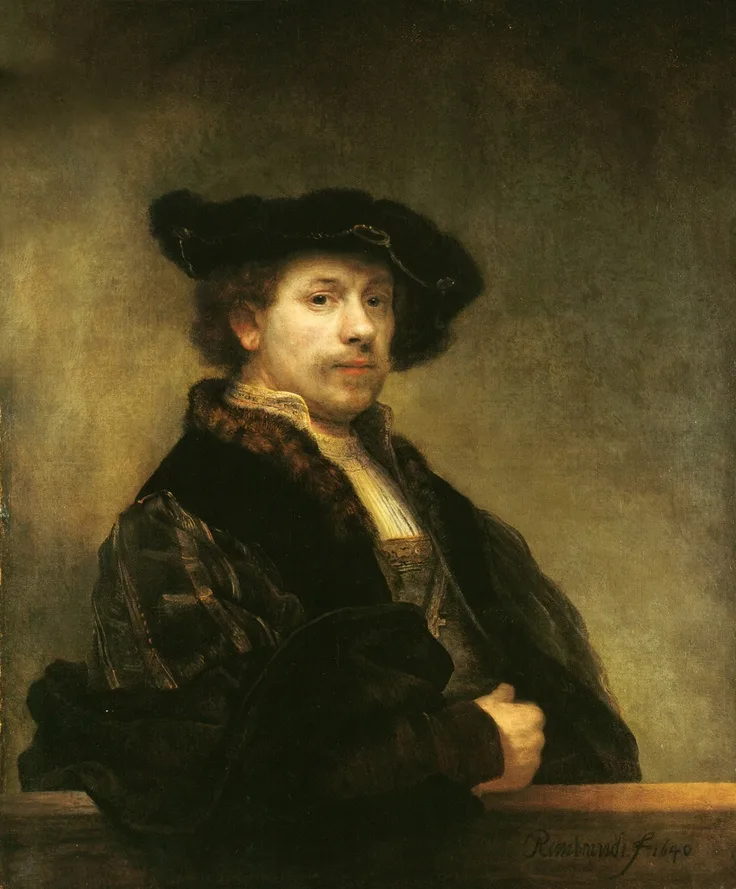
Rembrandt became an icon of seventeenth-century Dutch painting… but who was he?
Seventeenth-century Amsterdam. A city of light and shadow, where ideas and geniuses were born. We will meet Rembrandt — not only the legend, but the man. With his swift fame and his painful losses, with the ambitions that lifted him to the summit, and the loneliness that became his companion at the end of his life.
The life of this Genius, resembling a turbulent novel, contained everything. Breathtaking ascents and painful falls. Incredible success and enormous loss. Passionate love, true friendship — and betrayal. We will talk about the women who quite literally defined the stages of his life, and about their trace in his paintings and in his fate. About how personal experience turned into art that still unsettles the world.
We will work out why it is Rembrandt, among thousands of others, who is considered the number one painter of the Dutch Golden Age. And what made his eye unique. We will also talk about the revolutionary innovation the Dutch brought to art.
We will see how the Genius’s masterpieces were born, and what really stood behind them.
This is a story not only about art. It is a story about a man who taught the world to see light in the darkness.

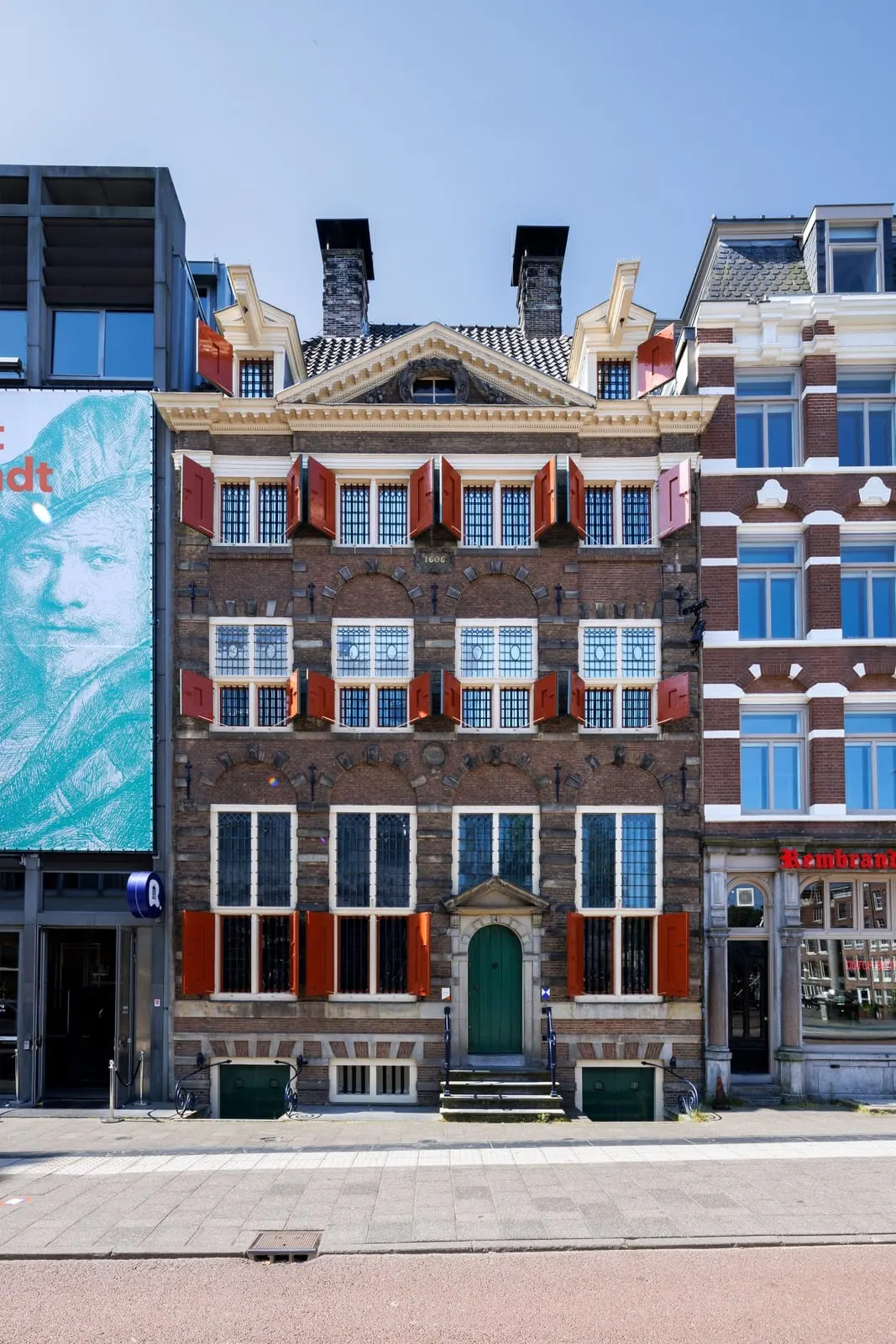
For a long two hundred years Rembrandt was almost forgotten. And when he was remembered, someone decided to create a museum in the house where he had lived for eighteen years. But over the years of oblivion almost nothing of Rembrandt was left there. How did the specialists manage to restore an interior that reproduces the original precisely?
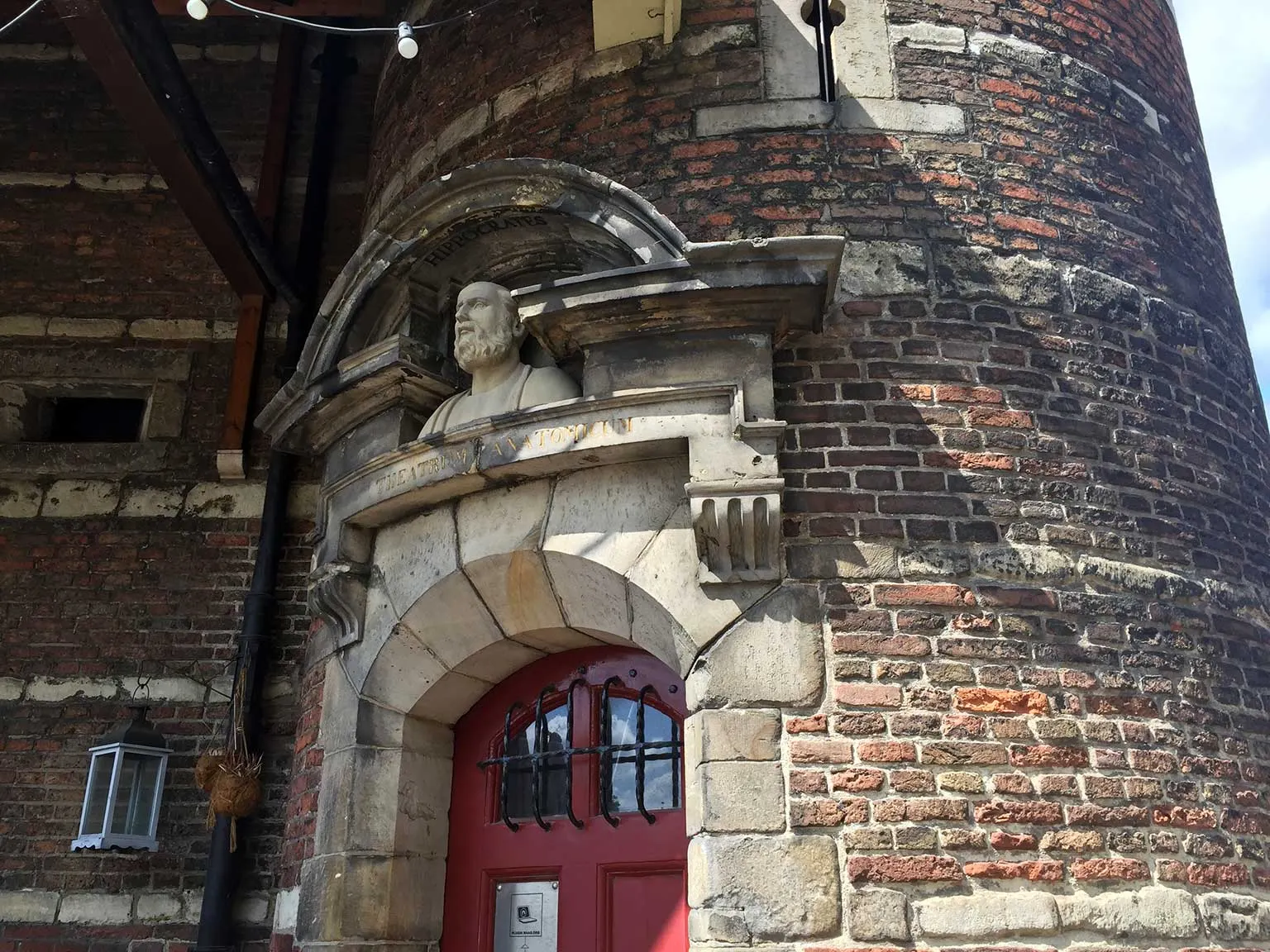
The entrance to the Anatomical Theatre — the place where Amsterdam physicians performed dissections for purposes educational, scientific and… entertaining. But how did this place give an enormous push to the brilliant career of a young painter from Leiden, who came to the Capital of the World seeking success and fame?
It was in this magnificent building that the offices stood of those who commissioned the Master’s most famous masterpiece, the one we all know as The Night Watch. And it was these halls that the painting adorned for many years. Who were those patrons, what did they do, and why is The Night Watch in fact not nocturnal at all? And how did the painting’s “place of residence” affect its fate?
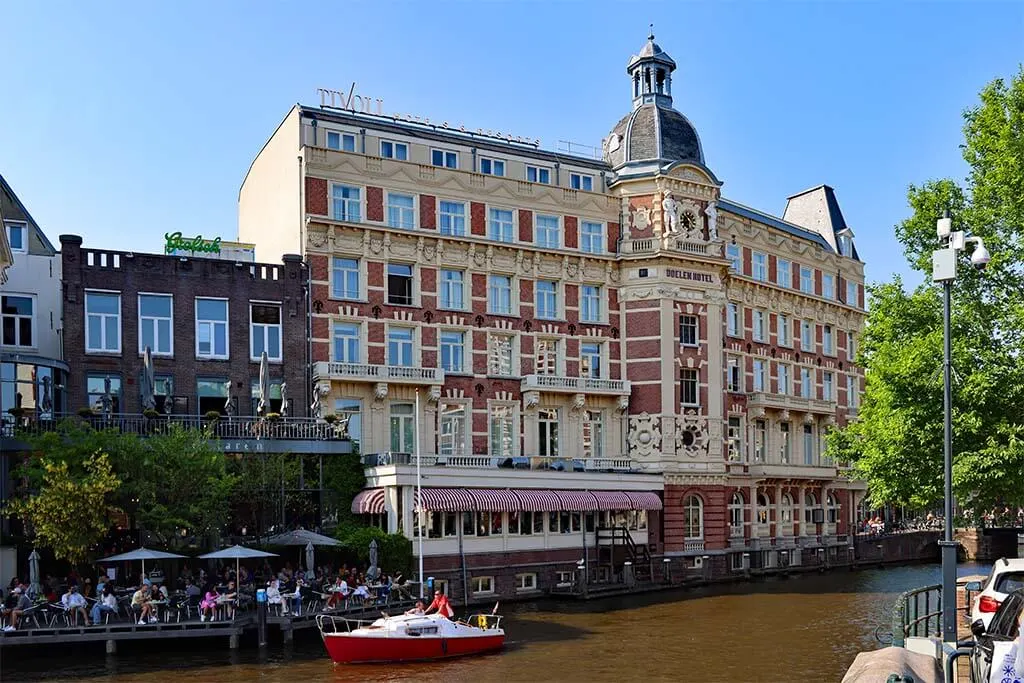
There were different times in the artist’s life. There was a time when his life seemed to roll down a steep slope. Admirers, patrons and friends grew catastrophically fewer. And some of them — such as the wildly rich owner of this lavish canal house — even tried to turn Rembrandt’s difficult position to their own advantage. But what came of it?
Whatever happened in the Master’s life, he never stopped creating. He experimented boldly in painting, inventing new, innovative techniques. In his mature years, knowing his own worth well, he disregarded both fashion and even the whims of his patrons. This stubbornness sometimes harmed his career and his purse — but it made him truly the number one painter of the Dutch Golden Age.
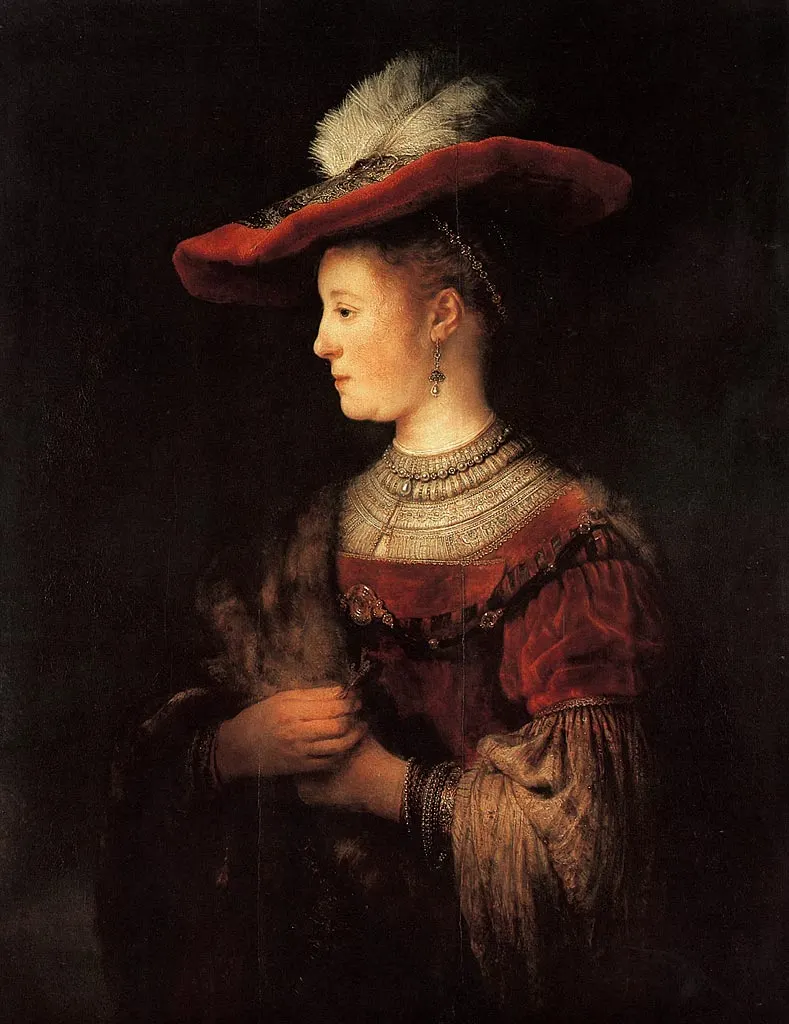
There were women in Rembrandt’s life who defined the stages of his stormy fate. There was a passionately loved wife — muse, friend, promoter, manager. There was a woman whose very existence turned the Master’s life upside down and pushed him off his pedestal in the eyes of even those closest to him. And there was a woman who not only warmed and saved the artist’s heart, but his purse as well, by making a brilliant financial move.
This tour is perfect if you
- wonder who Rembrandt really was
- are moved by stories of love, loss and talent
- want to see a living person behind the paintings
- feel close to the themes of light and shadow, in art and in life
- are looking for a tour that leaves an aftertaste