Amsterdam
Medieval Amsterdam. The peculiarities of hunting witches
- The three first steps that shaped the city's astonishing success
- The birth of Dutch tolerance, and what it was needed for
- How the city balanced between faith and practicality
- Witch hunts — and here, too, nothing went the usual way
Medieval Amsterdam — the city’s staggering road from the edge of the map to the capital of the world
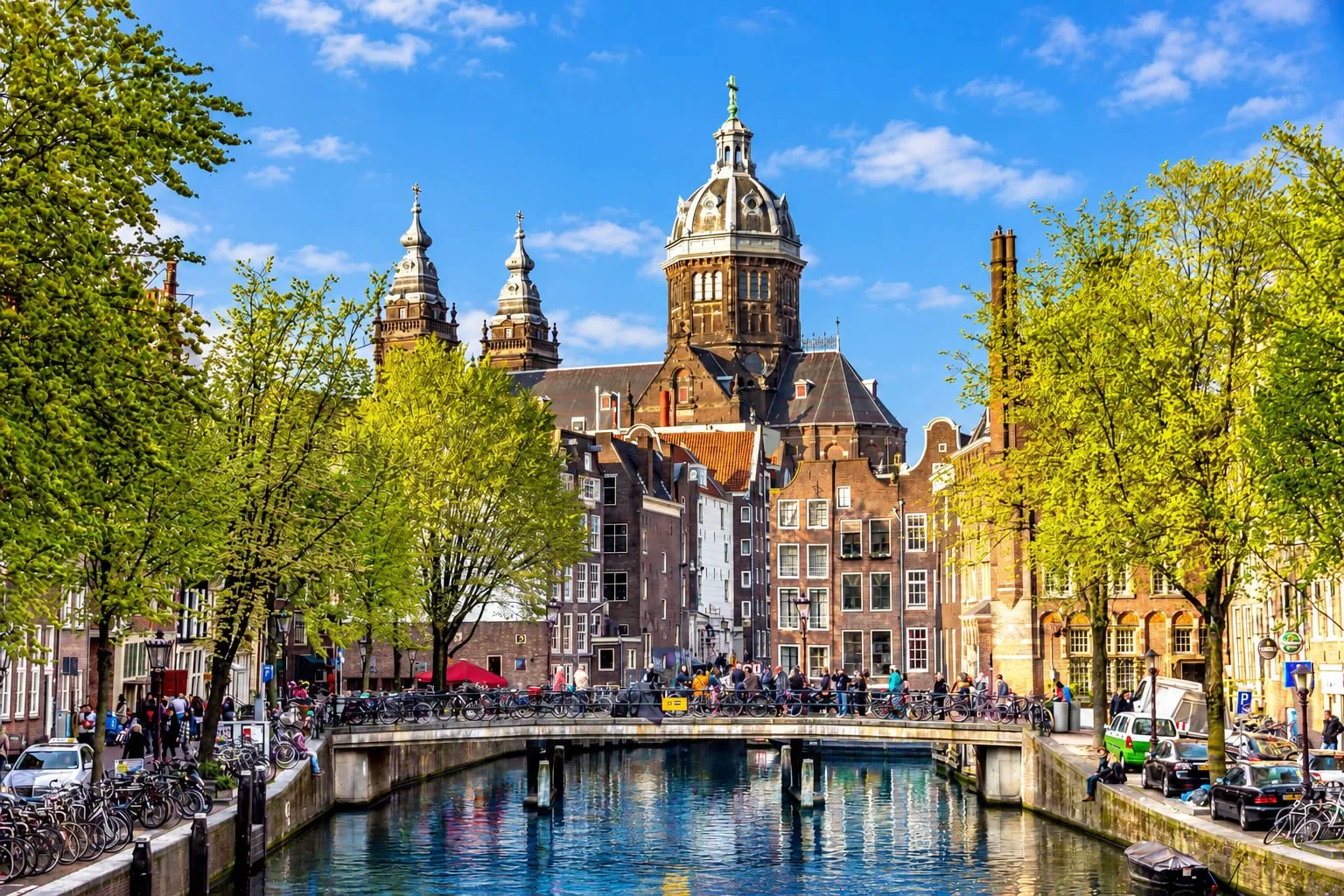
A themed walking tour within the Old Town of the sixteenth century. We will travel far back in time, to the moment a small settlement appeared on the inhospitable marshes of the Amstel, when everywhere in Europe fear and faith shaped people’s lives. From there we will slowly climb the steps of time up to the beginning of the seventeenth century. You will learn about the three heavy crosses Amsterdam carried through the centuries. What were the city’s first steps, and how did it manage in one leap to catch up with cities far older than itself — and even overtake them? What was the city like in Europe’s darkest times, and were those times really so dark in Amsterdam? How did it look, what did it trade in, what did it astonish people with, how did it deal with its enemies, and what exactly was off about the Amsterdam inquisition — we will get to all of it.

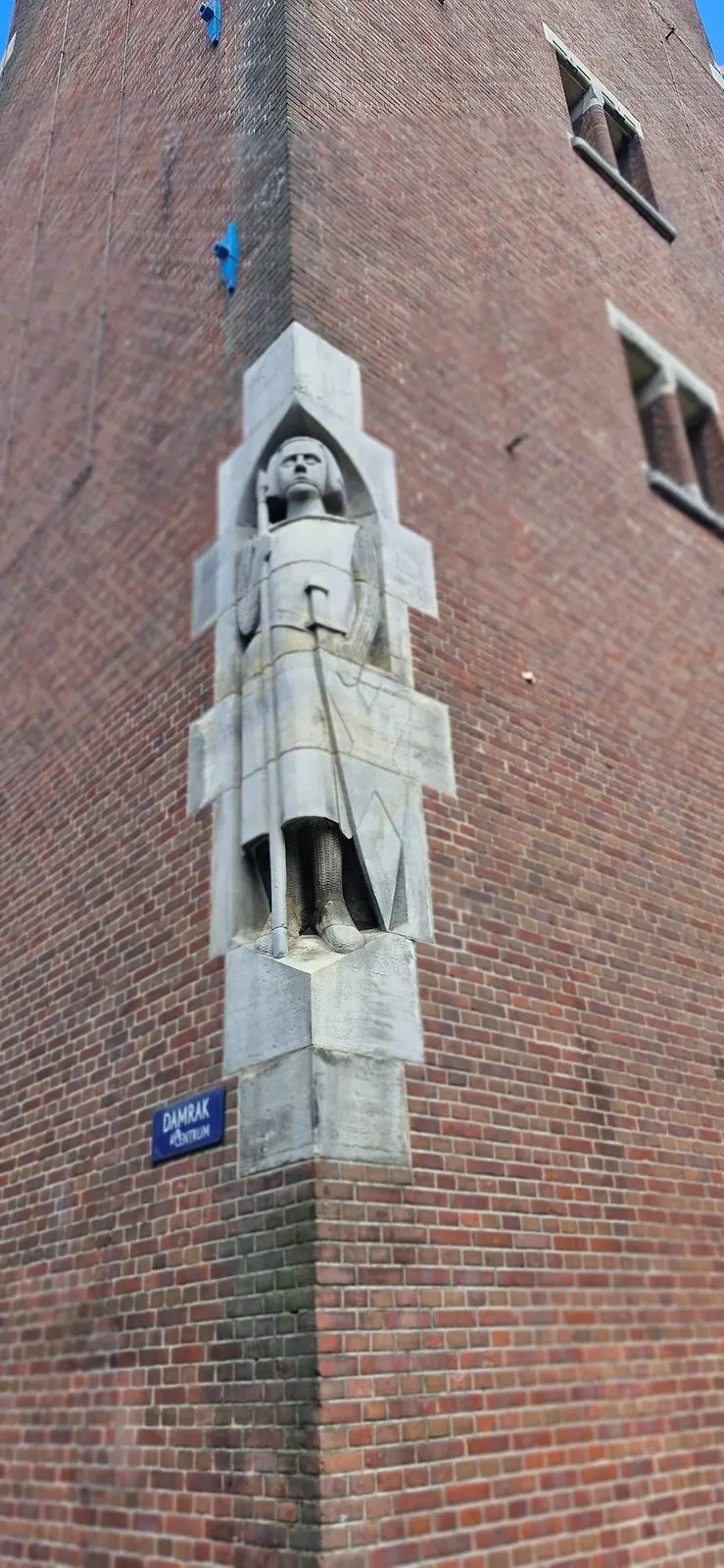
In 1638, around New Year, the theatre of Amsterdam — the richest city in Europe — staged the premiere of a play by the most fashionable poet and playwright of the day, to great success. From then on the play stayed on the Amsterdam stage for 330 years running. And its hero, a real knight who ruled the lands around the river Amstel back in the thirteenth century, became a legend of the city, a true Amsterdam “King Arthur”.
Today only two houses with wooden façades survive in Amsterdam. And just one built entirely of wood. We will see it! Although even that construction is not the oldest in the city. What were the very first houses like, and how is the change of architectural style connected to a whole cultural phenomenon that is an inseparable part of the Dutch mindset?
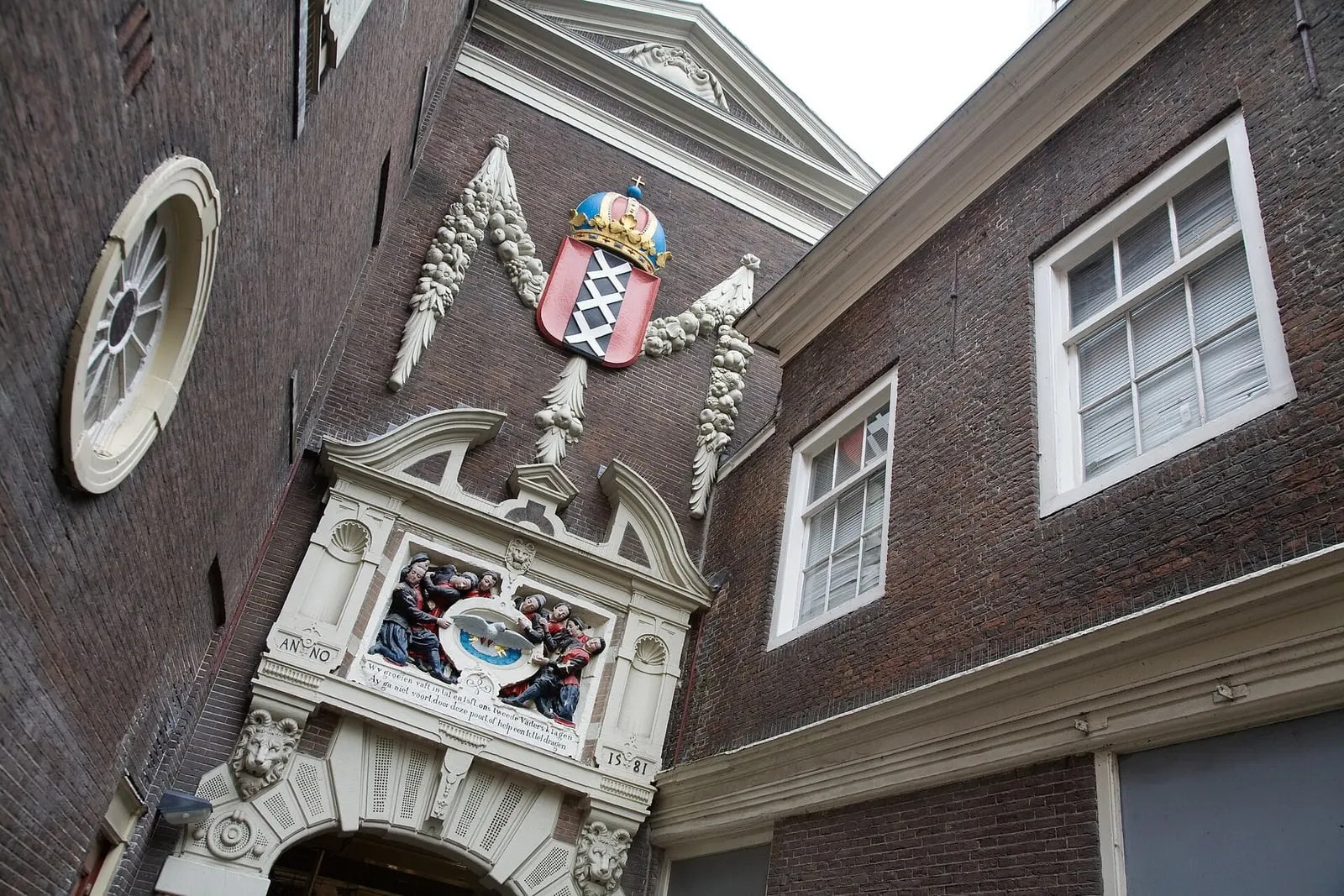
“We grow very fast and cause a great deal of trouble to our adoptive parents. Do not walk past, help us!” Such a simple piece of social advertising was placed on their gates by the regents of Amsterdam’s very first orphanage. The orphanage itself was founded back in the fifteenth century by one remarkable lady — and became the first in the city’s vast, clockwork-precise system of charitable institutions.
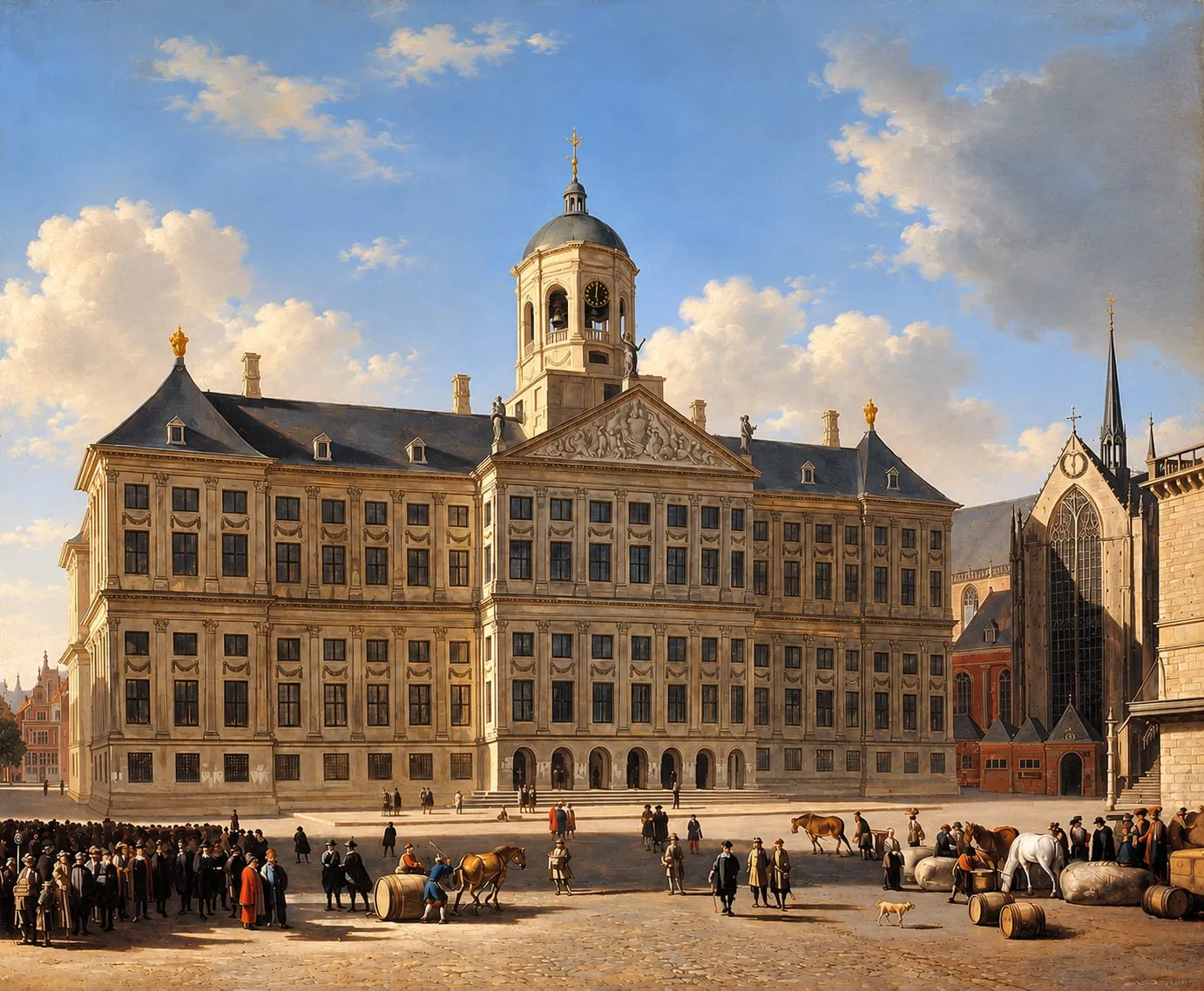
The central square of the city, where it all began — Dam Square. Everything happened here: the most important decisions were taken, verdicts were passed, markets hummed and fairs were held, public punishments and executions took place. And protests happened here too. Seven hundred years ago, four hundred years ago, and today. The protests varied — sometimes very bloody, sometimes remarkably exotic.
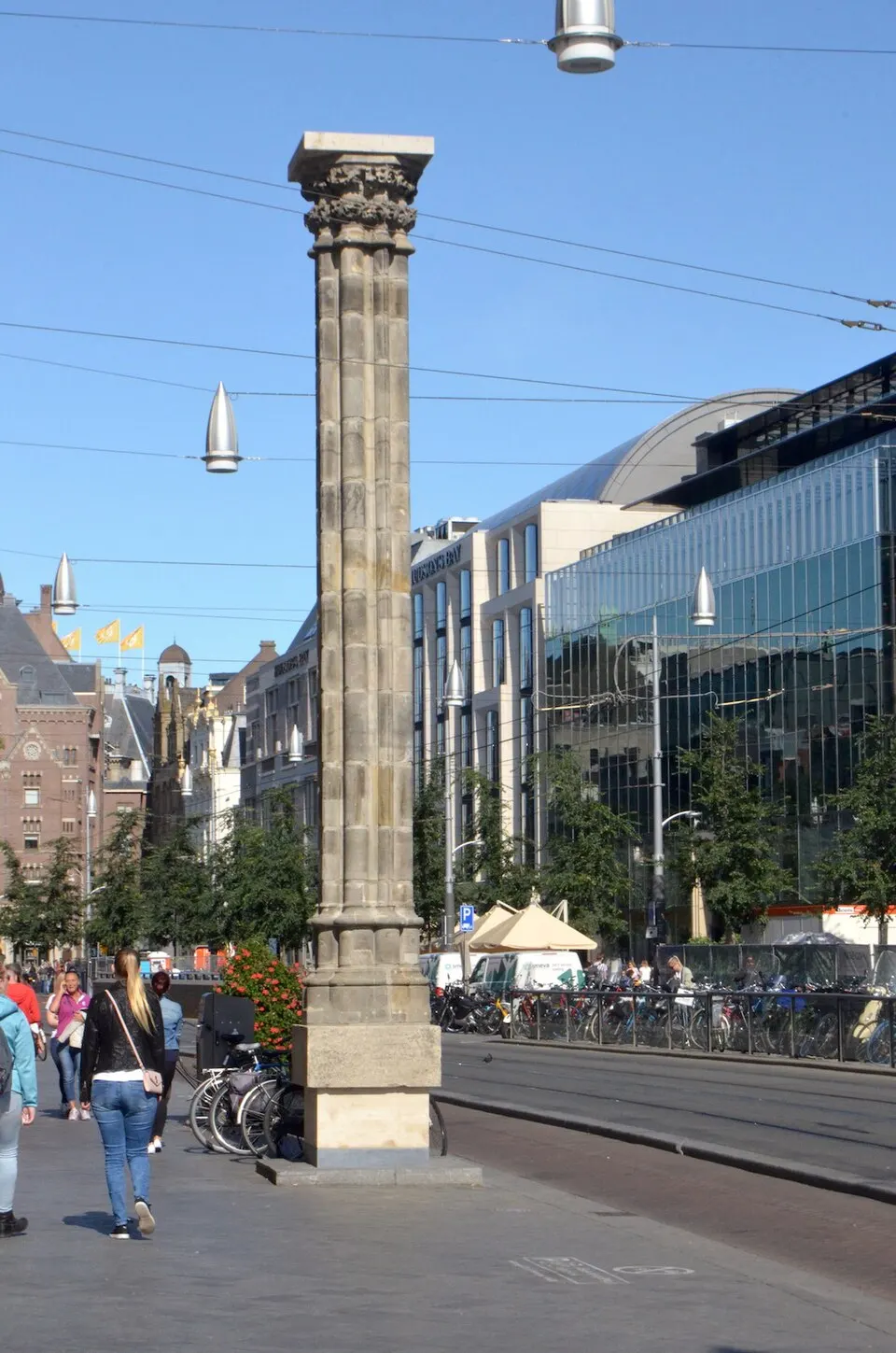
A column, a fragment of wall and a legend alive for almost 700 years — that is all that remains of the famous Miracle of Amsterdam. And indeed, by some altogether strange turn, an ordinary everyday event became a brilliant piece of marketing that gave the city’s growth an enormous push, quite literally out of nothing.
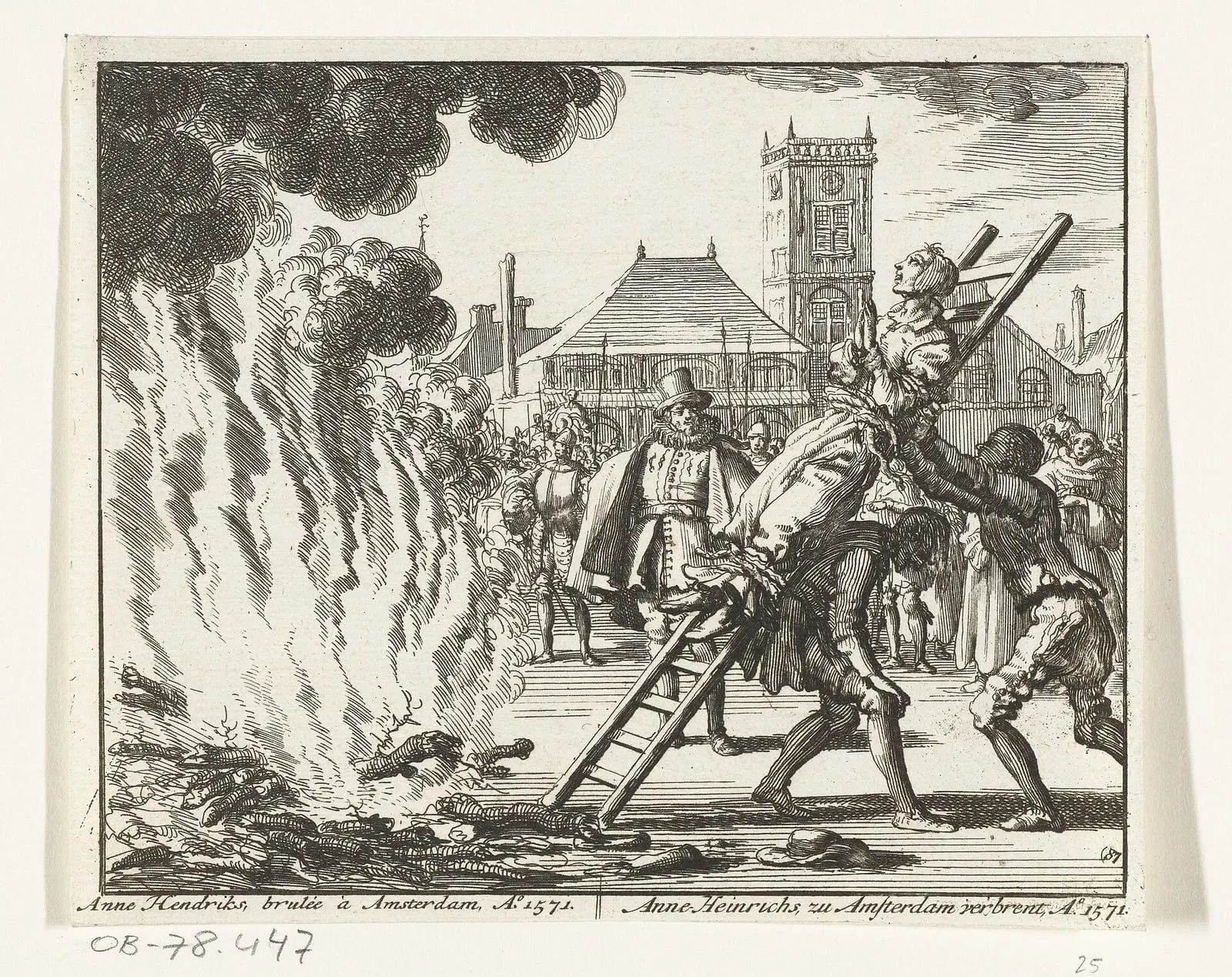
How many brave and beautiful people were burned in the fires of the inquisition in Europe’s dark ages — both “heretics” and “witches”. And how was this business handled in Amsterdam? Of course, the famous pan-European manual for detecting and punishing evil spirits, the “Hammer of Witches”, was respected here as well — but in Amsterdam there were particular, and very substantial, nuances.
This tour is perfect if you
- want to understand how Amsterdam came to be and how it lived through the "dark" ages
- enjoy slightly mystical, atmospheric stories
- are fascinated by medieval aesthetics
- would like to understand the Dutch mindset better