Amsterdam
Amsterdam. A Caprice of History. The tour after which the city feels like home
- The most iconic landmarks
- Captivating stories woven into the history of the city
- The city's hidden gems
- World-famous Amsterdam treats
- Easy, simple, deep, warm and informal
Amsterdam, showing off its beauty and opening up its treasures
You will see the most iconic and most interesting places in the historic centre, and you will understand how a small settlement that once appeared on cold, inhospitable marshland turned into one of the greatest cities in the world — its trading, scientific and artistic capital — the city about which visiting foreigners said in delight: “this is where you can taste the sweetness of Freedom!” I will walk you through narrow streets, picturesque canals and grand squares. I will show you both the famous and the hidden gems of the city, and tell you stories that will certainly not leave you indifferent. And at the end of the tour you will suddenly see how all the pieces of my stories come together into a single picture of this beautiful City and its utterly unique face. And of course we will taste the best herring in the world, and if you wish, visit a cheese shop where you can try every kind there is 😊

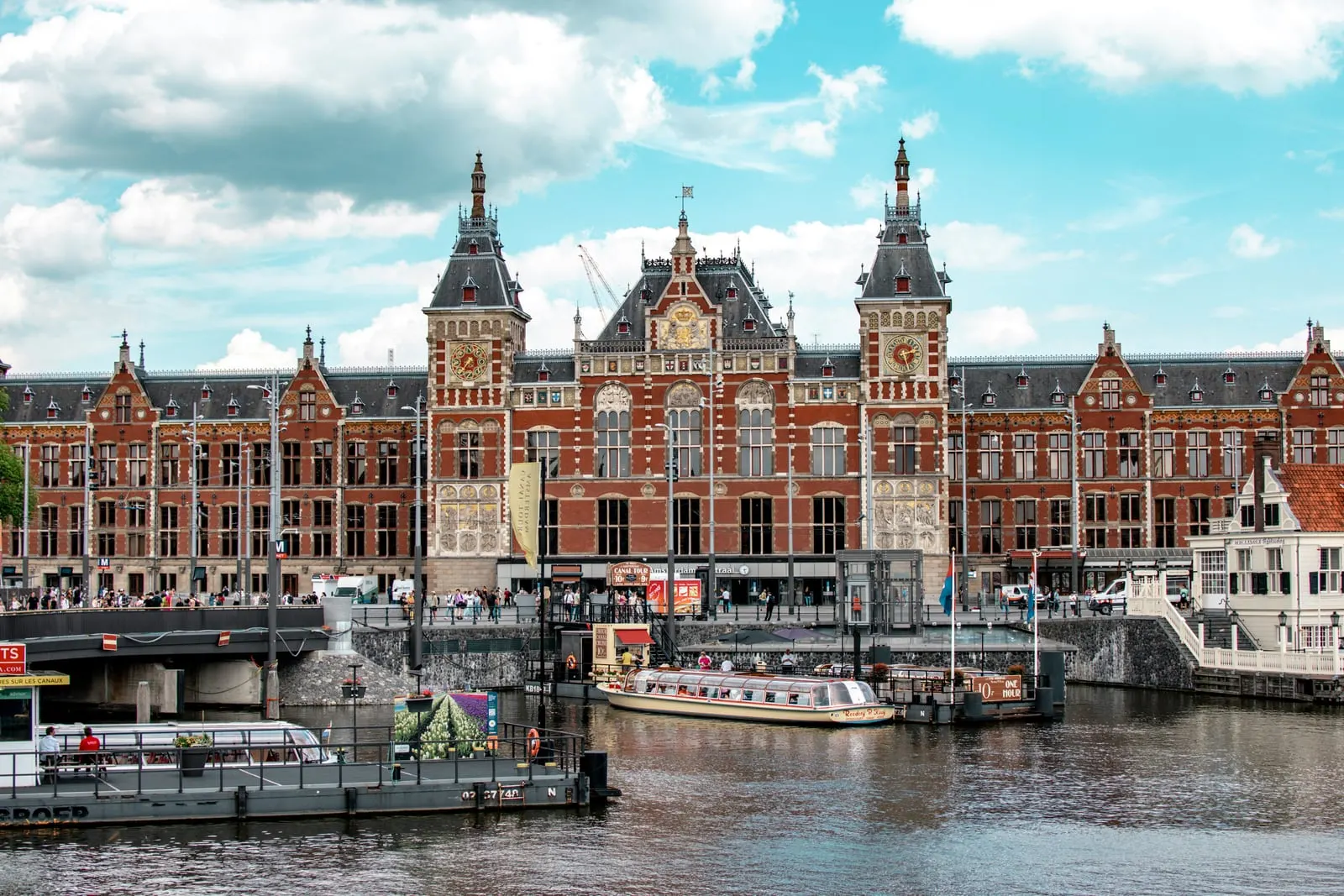
This restrained yet lavish building is the Central Railway Station, the symbolic Gates of the city. Today it feels as if it had always been here. It is hard to imagine that some 135 years ago the residents of the surrounding streets were ready to protest day and night just to keep it from being built. But why?
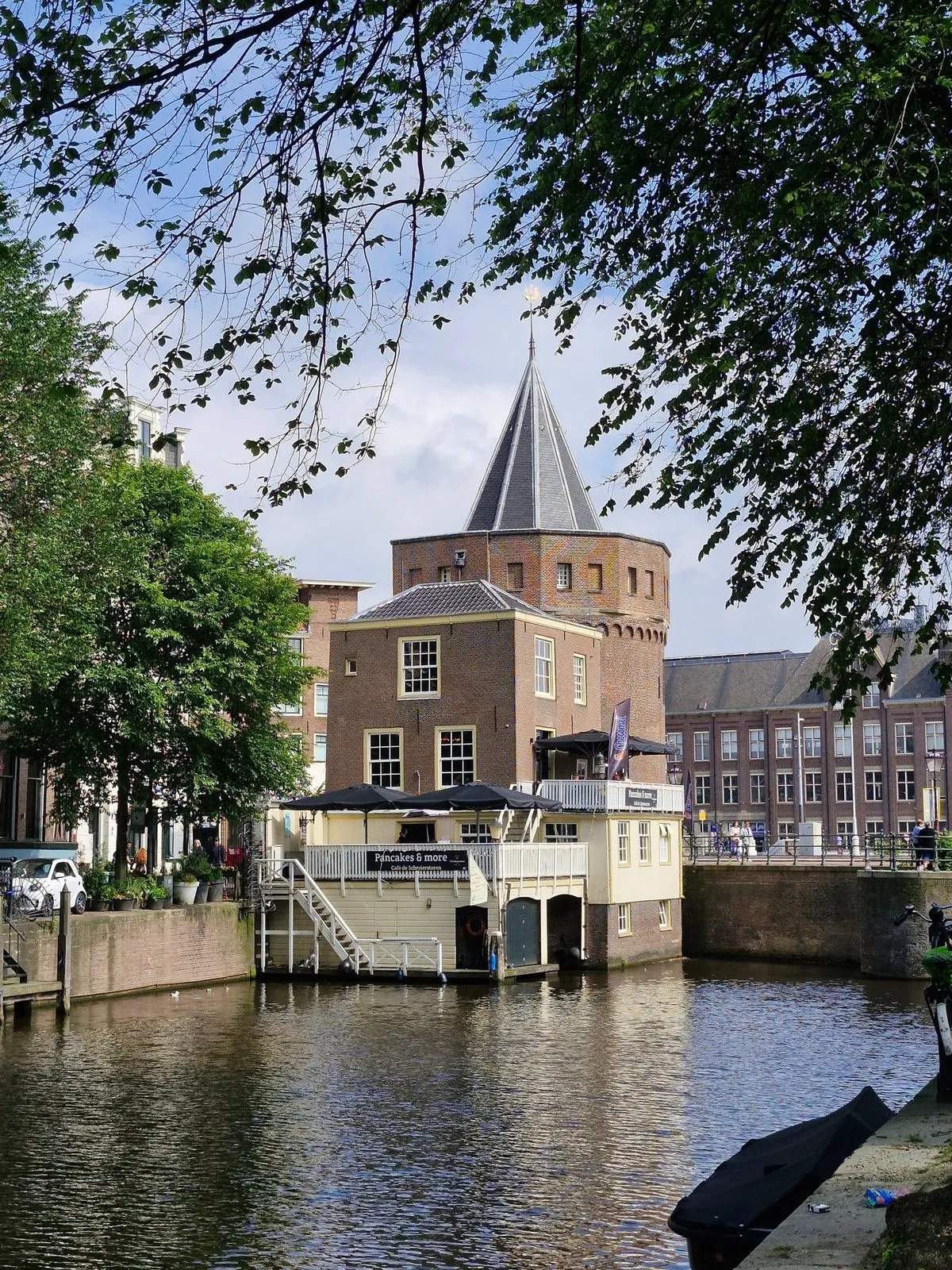
This small tower, wrapped in old city legends — the Tower of Tears — is one of the few structures left from Amsterdam’s city wall, which the townspeople took some 200 years to build. We will find out why, and learn what connects this medieval fortress with modern New York.
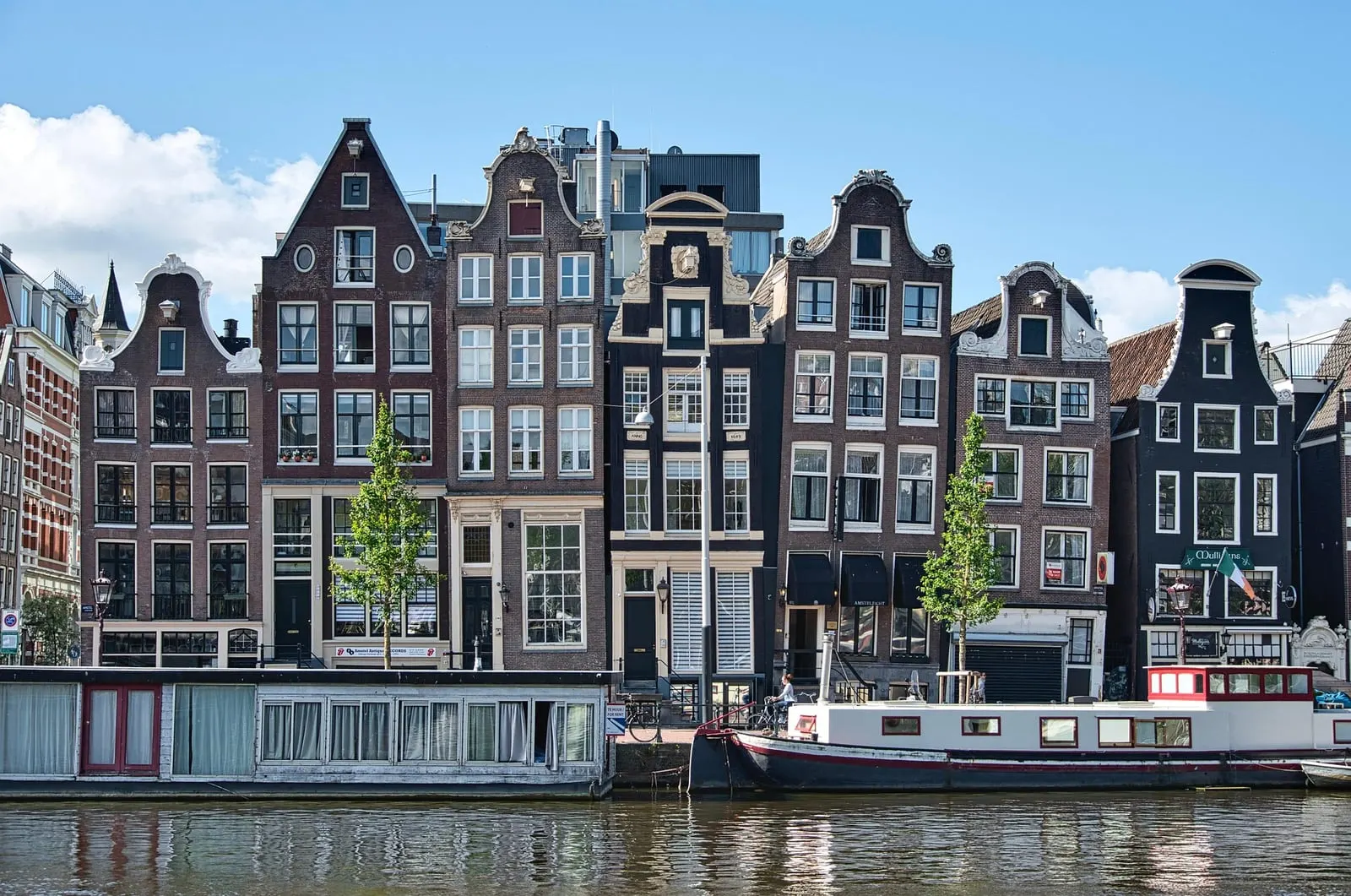
Why do the houses of Amsterdam appear to “dance”? One leans right, another leans left… what knocked them off balance, and why does nobody do anything about it? And that is far from the only architectural quirk of Amsterdam’s houses. Each of them has its own logical and sensible explanation — as does everything in Amsterdam.
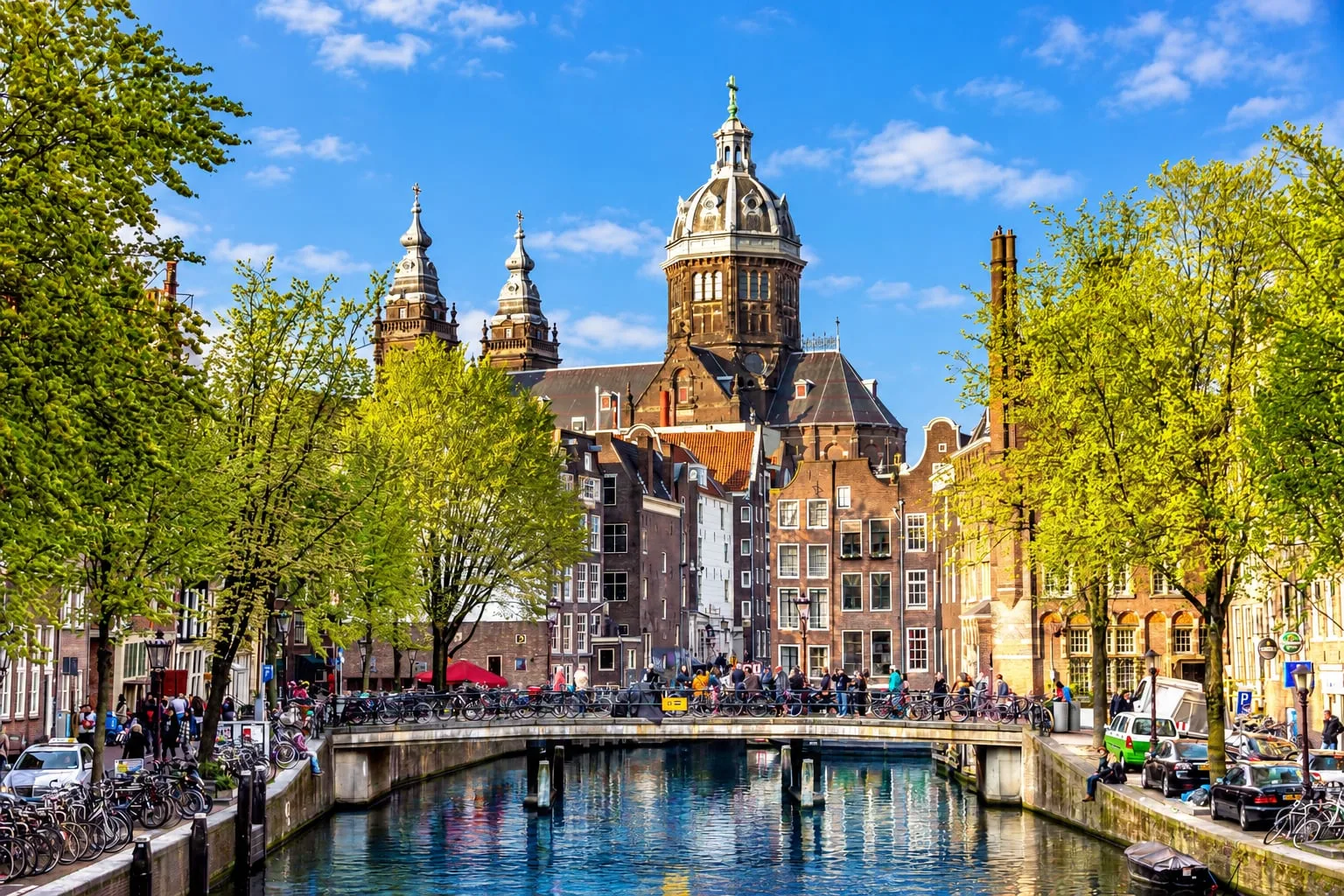
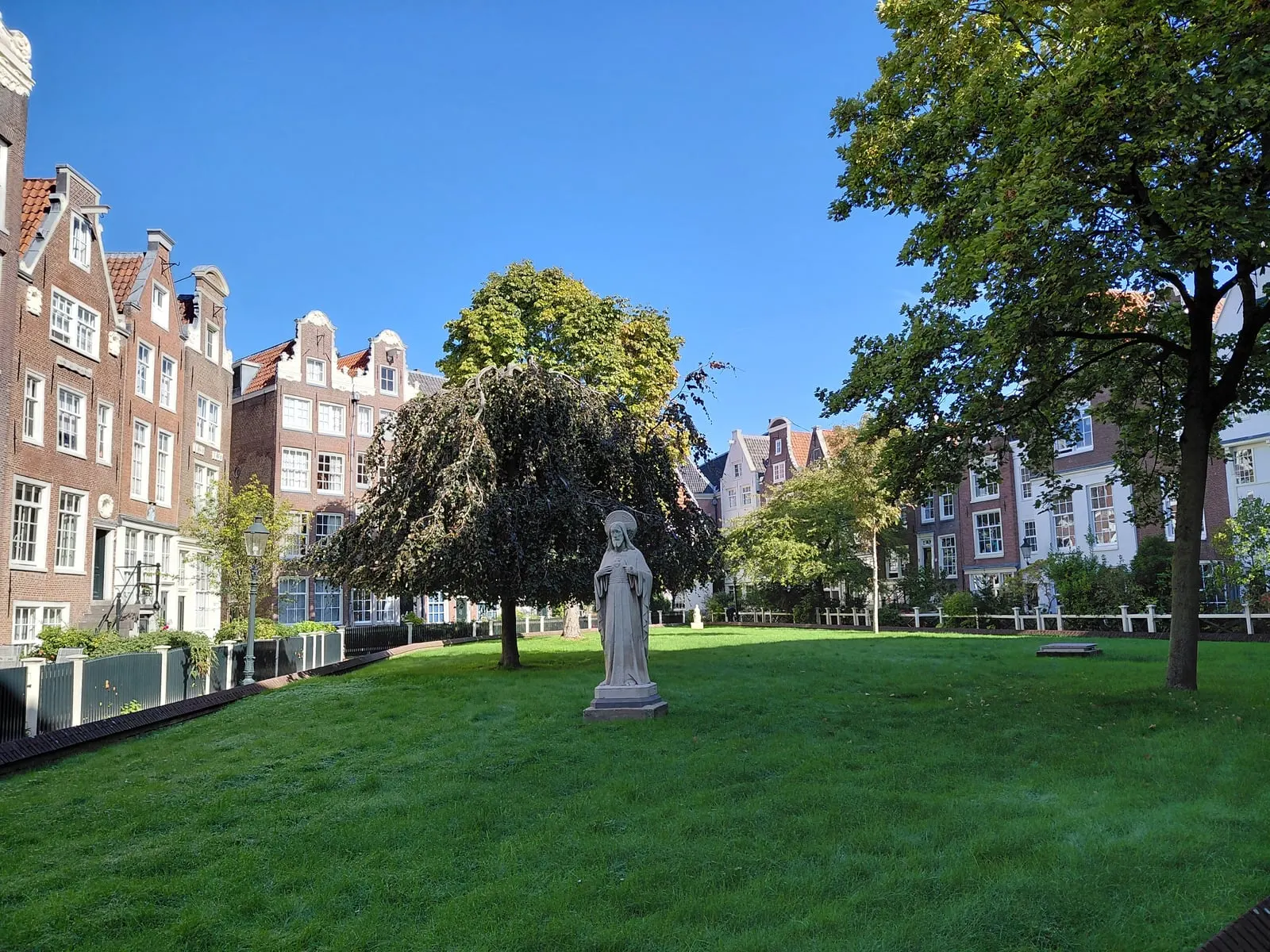
Standing in the centre of Amsterdam amid the noise and the crowds, it is hard to imagine that a few metres off the main street lies a small oasis of indescribably beautiful silence. This place was created by very particular women almost 700 years ago — and for most of that time they were its keepers. It is a fascinating story.
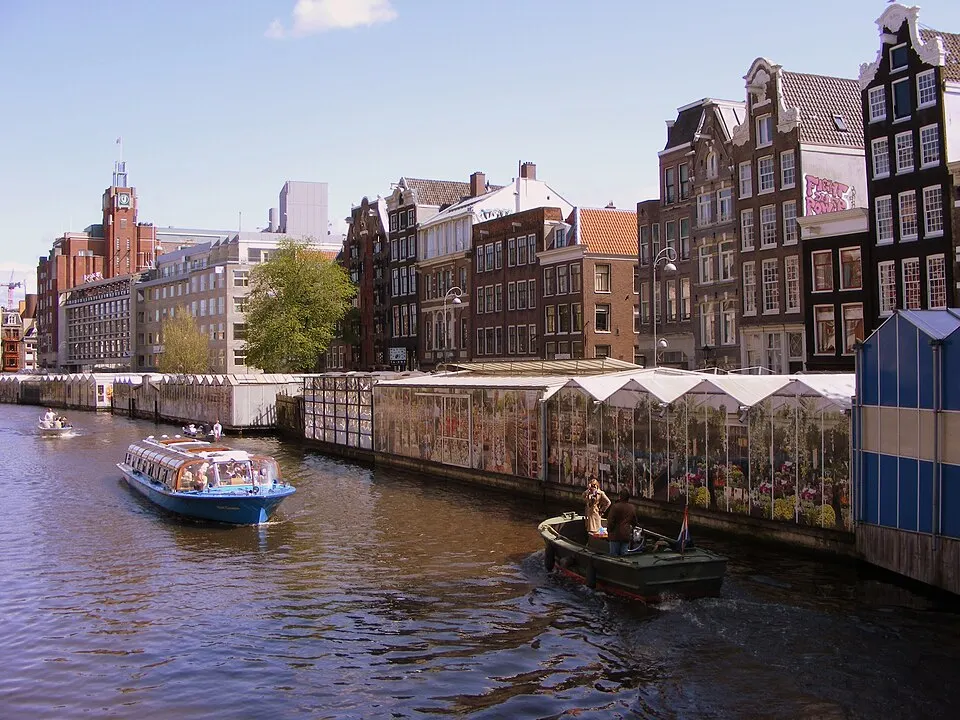
Who has not heard of Amsterdam’s flower market and its tulips? There was a time when a single tulip bulb cost as much as a canal house or a profitable brewery. The whole country fell ill with “tulip fever”. Later the story turned almost into a legend, where truth is entwined with the vivid imagination of writers.
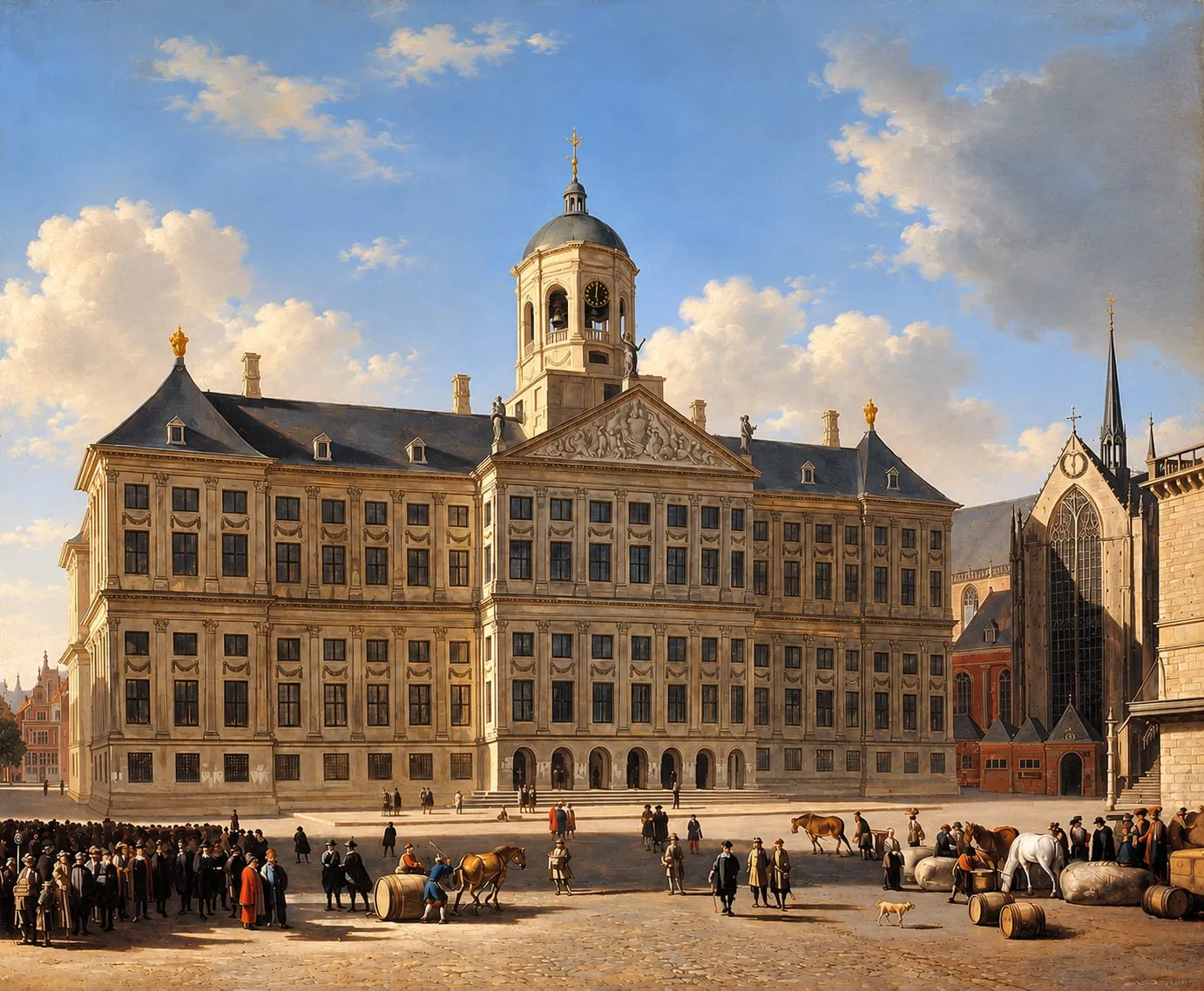
“Never has a dwelling looked so gloomy,” Napoleon’s stepdaughter told her crowned stepfather after a few days spent in the lavish Royal Palace on Dam Square. Yet the cost of this magnificent building ran to more than a trillion euros in today’s money. So what was the matter?
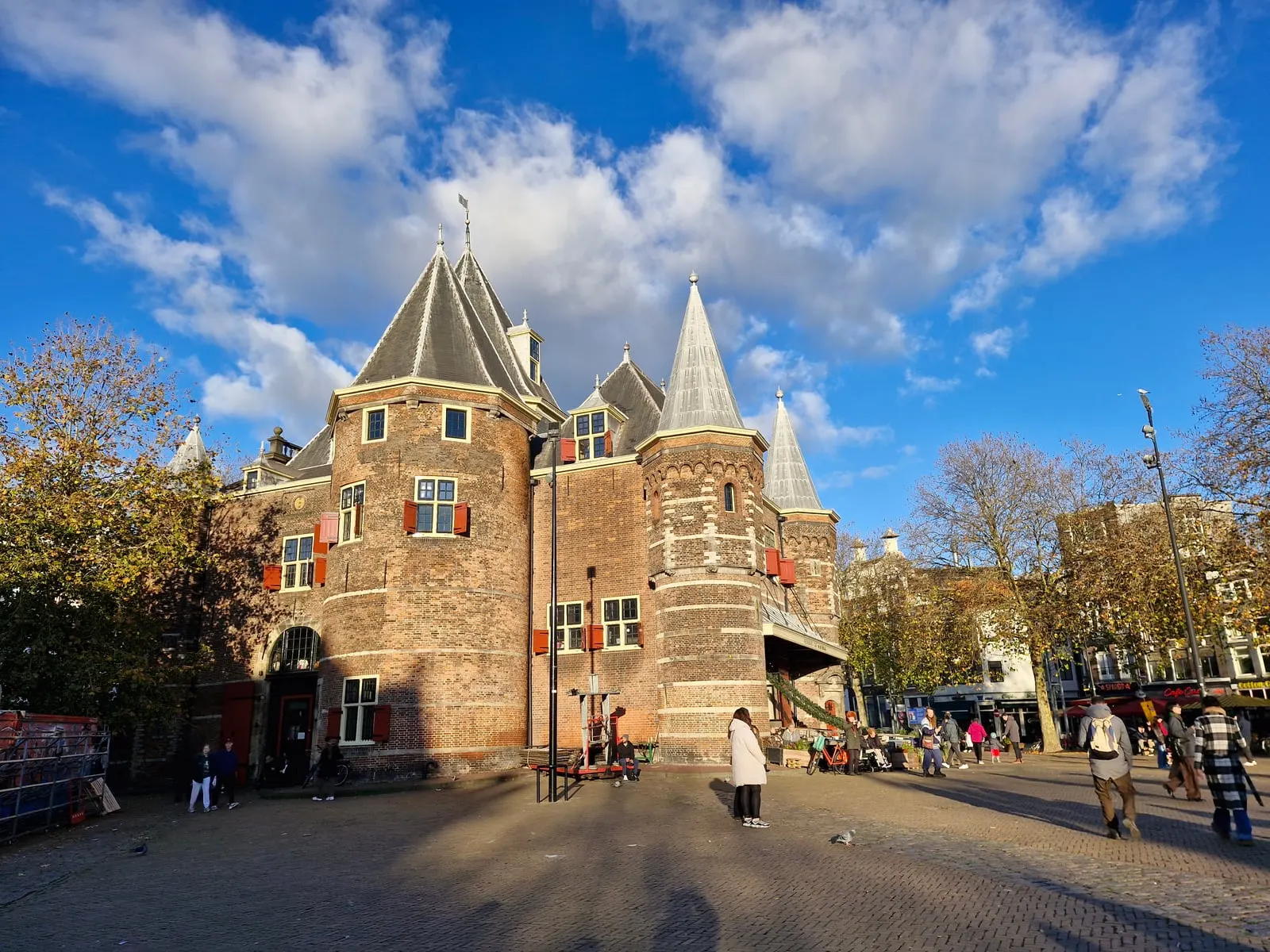
This sturdy, solid fortress, resembling a medieval castle, was once part of the city gates. But its career was far from over. What did this striking building not serve as, before becoming one of the most popular cafés in Amsterdam? What were those transformations, and why is this place forever tied to the name of the great Rembrandt?
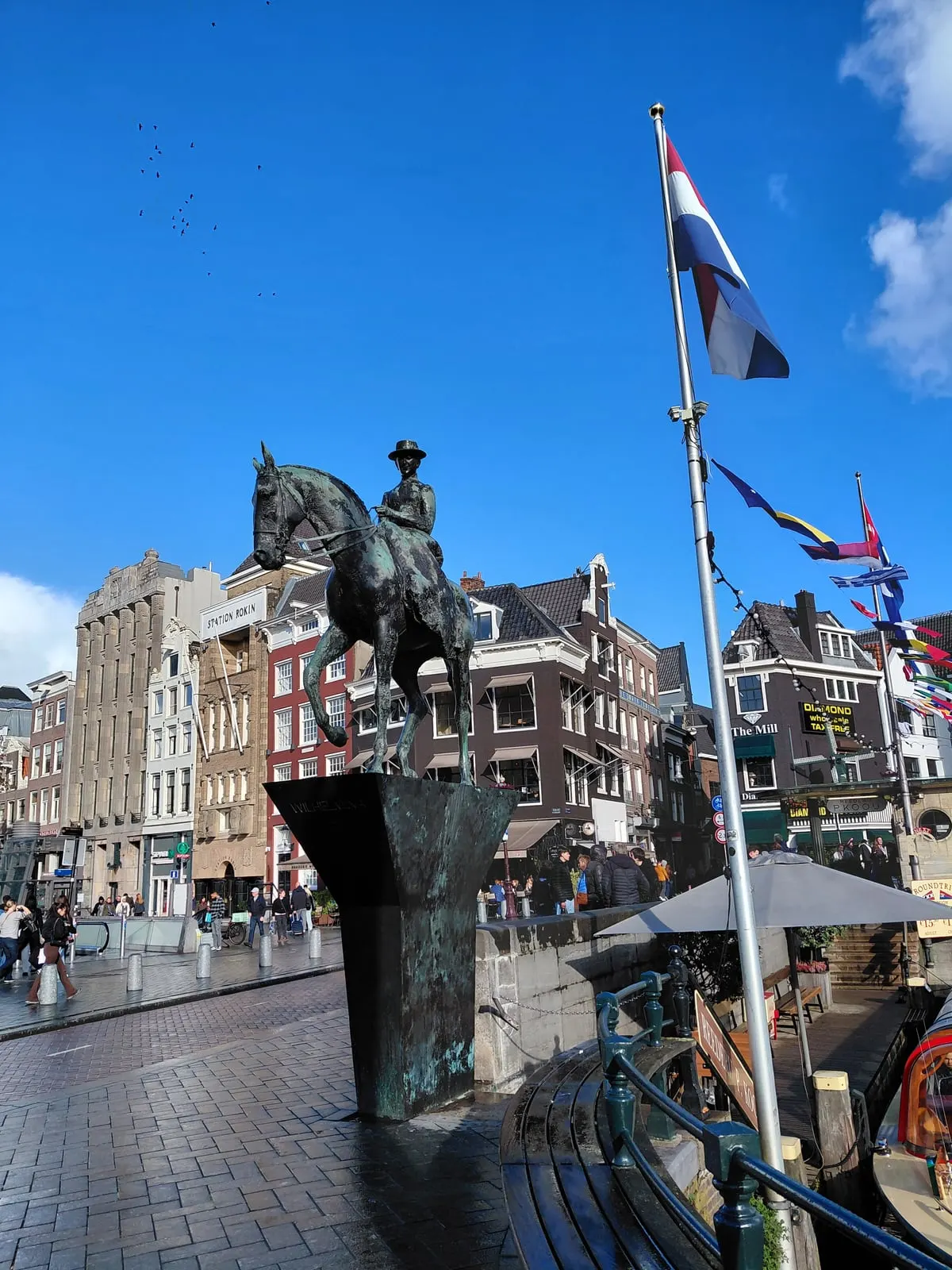
“The only man in the Dutch government” — that is how the English described Her Majesty Queen Wilhelmina during the Second World War. How did the Dutch Republic become a Kingdom? How does the monarchy feel today, and what do the Dutch Royal Family and James Bond have in common?
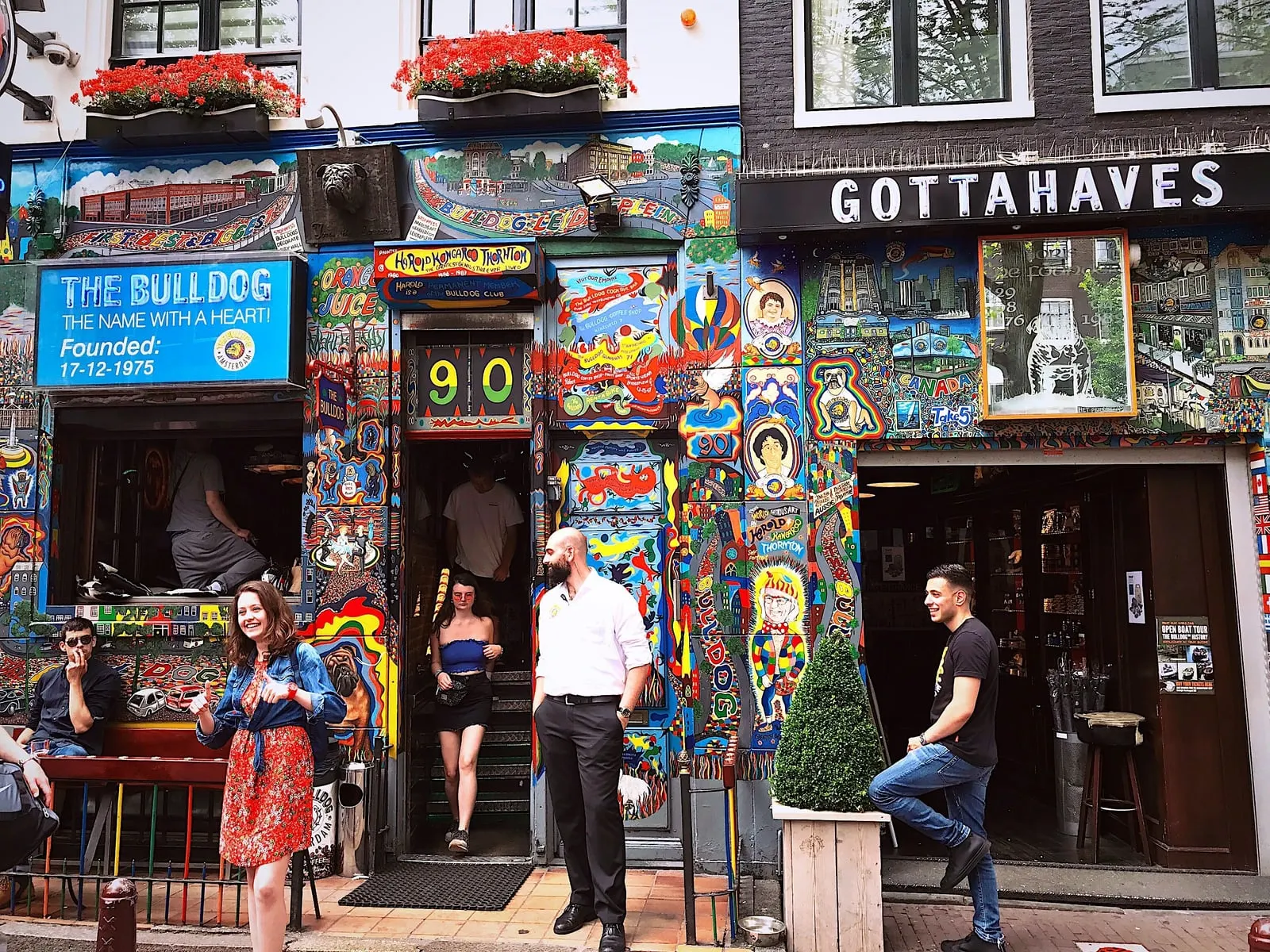
In the Netherlands there are things that are supposedly forbidden — but not quite. This is the famous Dutch policy of the “half-closed eye”. Here the irreconcilable has always been reconciled; tolerance was born precisely here. A church next to the red lights, Catholics with dazzling careers in a Protestant country, and of course the paradox of marijuana.
This tour is perfect if you
- are in Amsterdam for the first time and want to understand the city
- would like to learn more than the well-advertised facts everybody knows
- are interested in the history of Europe
- would like to see what you have never noticed, even walking past it a hundred times