Skip to content
Once in The NL

Amsterdam

When Money Became God. The Golden Age of Amsterdam

3–3.5 hoursHistoric centre of AmsterdamPrivate groupCoffee break
  • How Amsterdam became the centre of the world
  • The birth of the modern stock exchange and of new rules of the game
  • The Dutch East India Company and truly big money
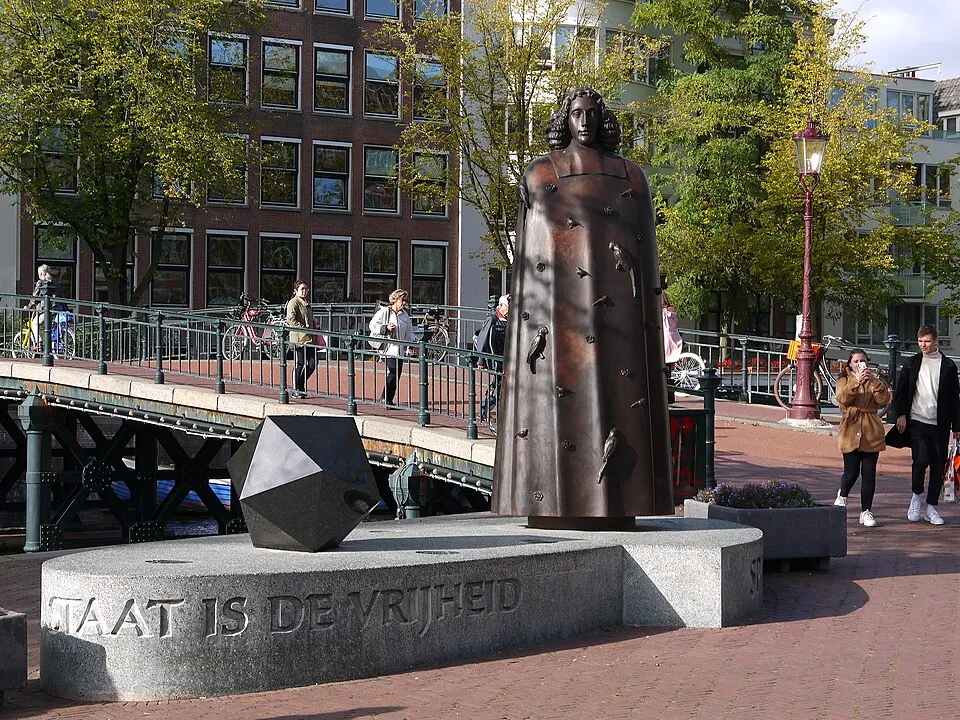
  • People who thought differently and changed the world
  • The other side of success

About how the modern world was born

Welcome to seventeenth-century Amsterdam — the time when the city became the heart of world trade, finance, science and art, and swiftly turned into the very centre of the world.

We will step into the era of the unprecedented flowering of the Dutch Republic of the United Provinces. It was then that the mighty Dutch East India Company was founded, opening for the Netherlands a road to distant continents and colossal fortunes.

We will talk about brilliant managers, bankers, engineers, scholars and sailors — everyone involved in the historically unmatched rise of a single city to the highest level of civilisation of its time.

We will learn which financial innovations were brought to life here, and what risks the daring, free-spirited citizens of Amsterdam took for the sake of their purses. And we will also talk about the other side of that dazzling brilliance.

How did these people manage to break the rules of the game that had held Europe for centuries, and outpace every competitor — simply because they thought differently?

This is a story about ambition, courage, and the birth of one of Europe’s most influential capitals. It deserves not just to be heard, but to be felt and lived through together with the city.

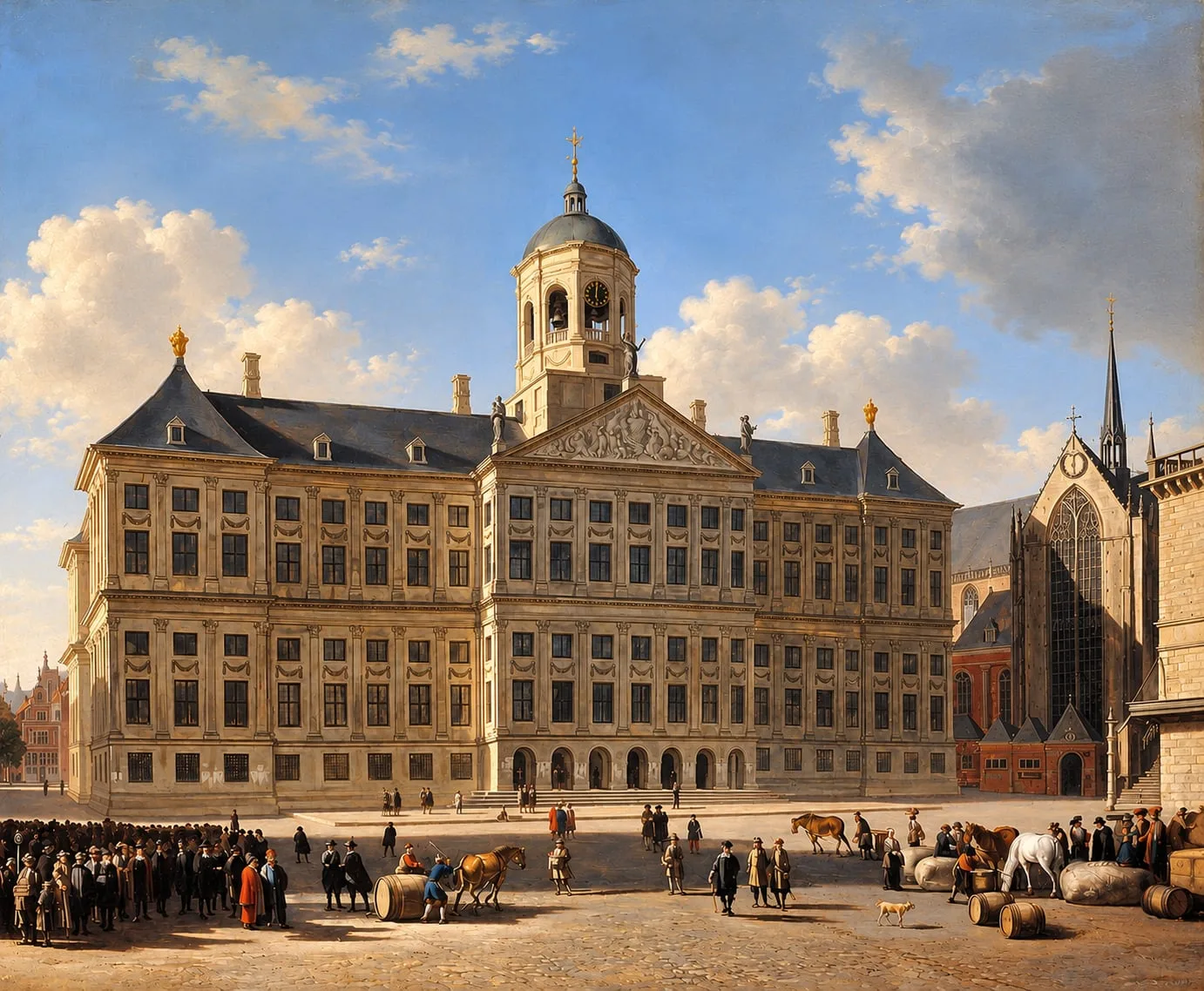
Did you know that the modern stock exchange was born right here in the Netherlands? And that it was an Amsterdammer who wrote the first book describing the principles of exchange trading? It was precisely thanks to Dutch financial creativity that the phenomenal rise of a tiny Republic in northern Europe became possible.

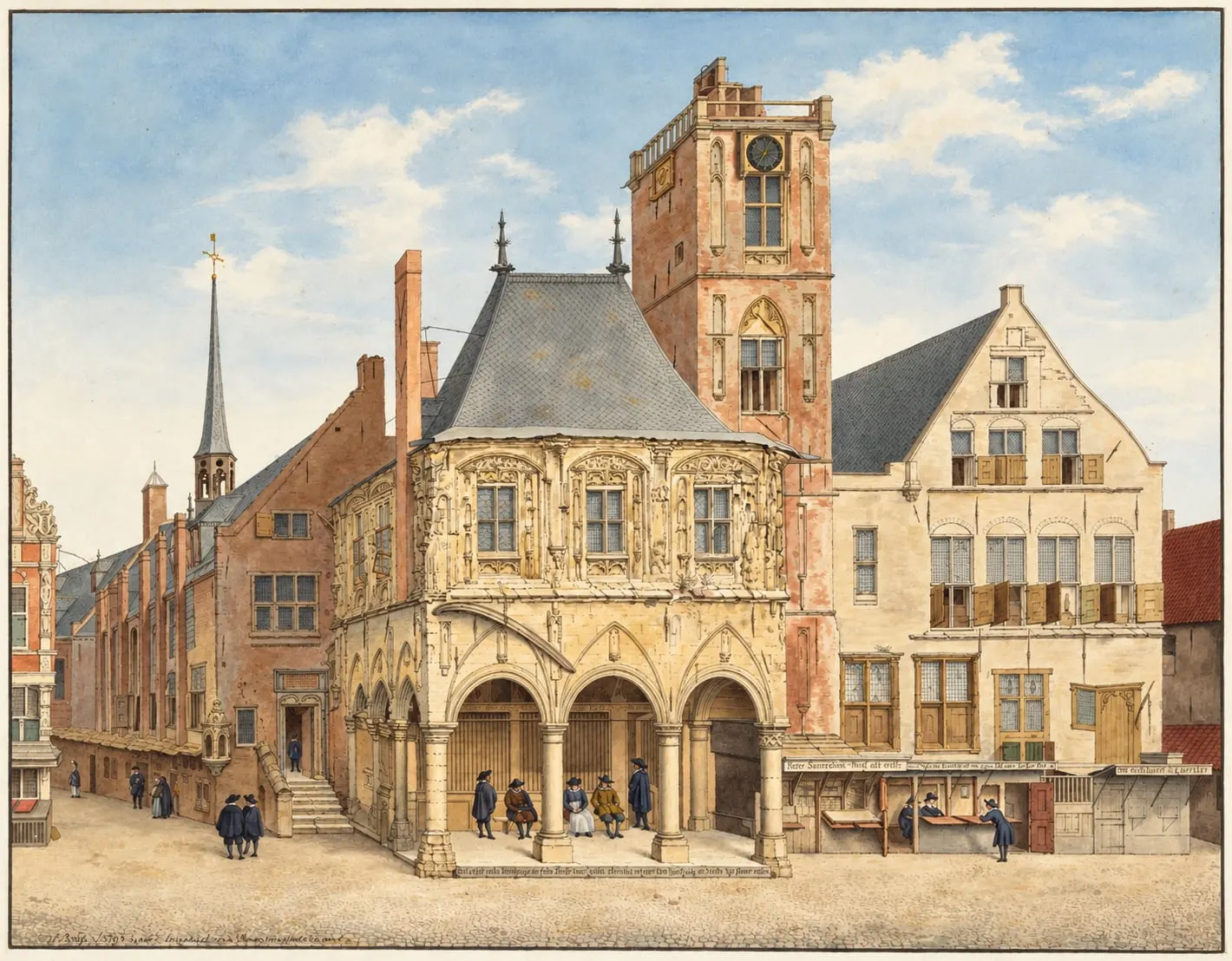
In the seventeenth century this magnificent house was the centre where the fate of the world was quite literally decided. It was here that the “Lords Seventeen” held their meetings — the board of the East India Company, the world’s first international corporation of extraordinary scale, more powerful than some states.

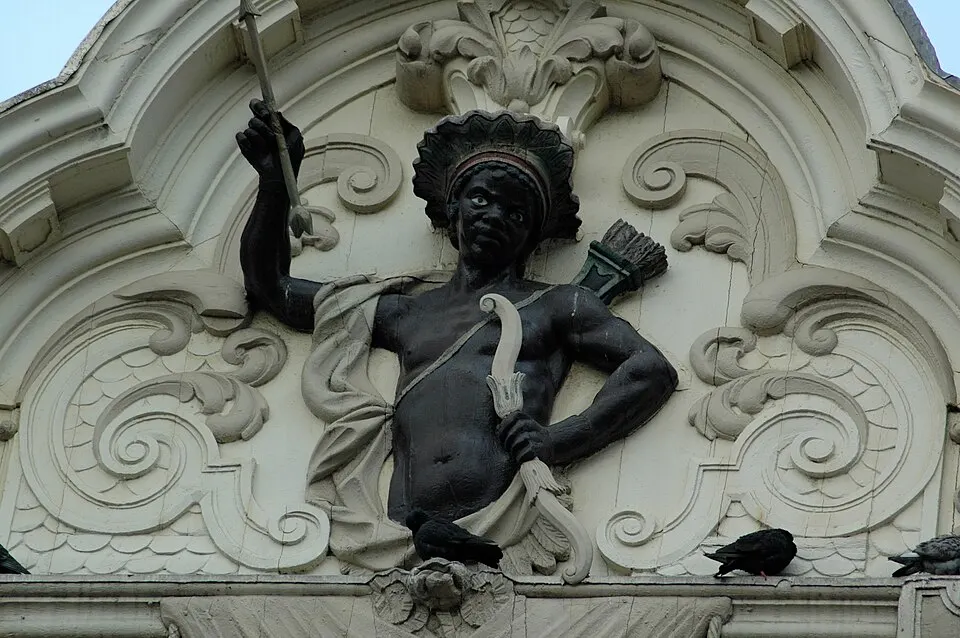
One of the most profitable businesses by which Dutch traders made their living in the seventeenth century was the slave trade. This is precisely what the Dutch of today prefer not to take pride in, because a great many genuinely terrible things were done at that time. Yet within the Dutch Republic itself, Amsterdam included, matters looked somewhat different.

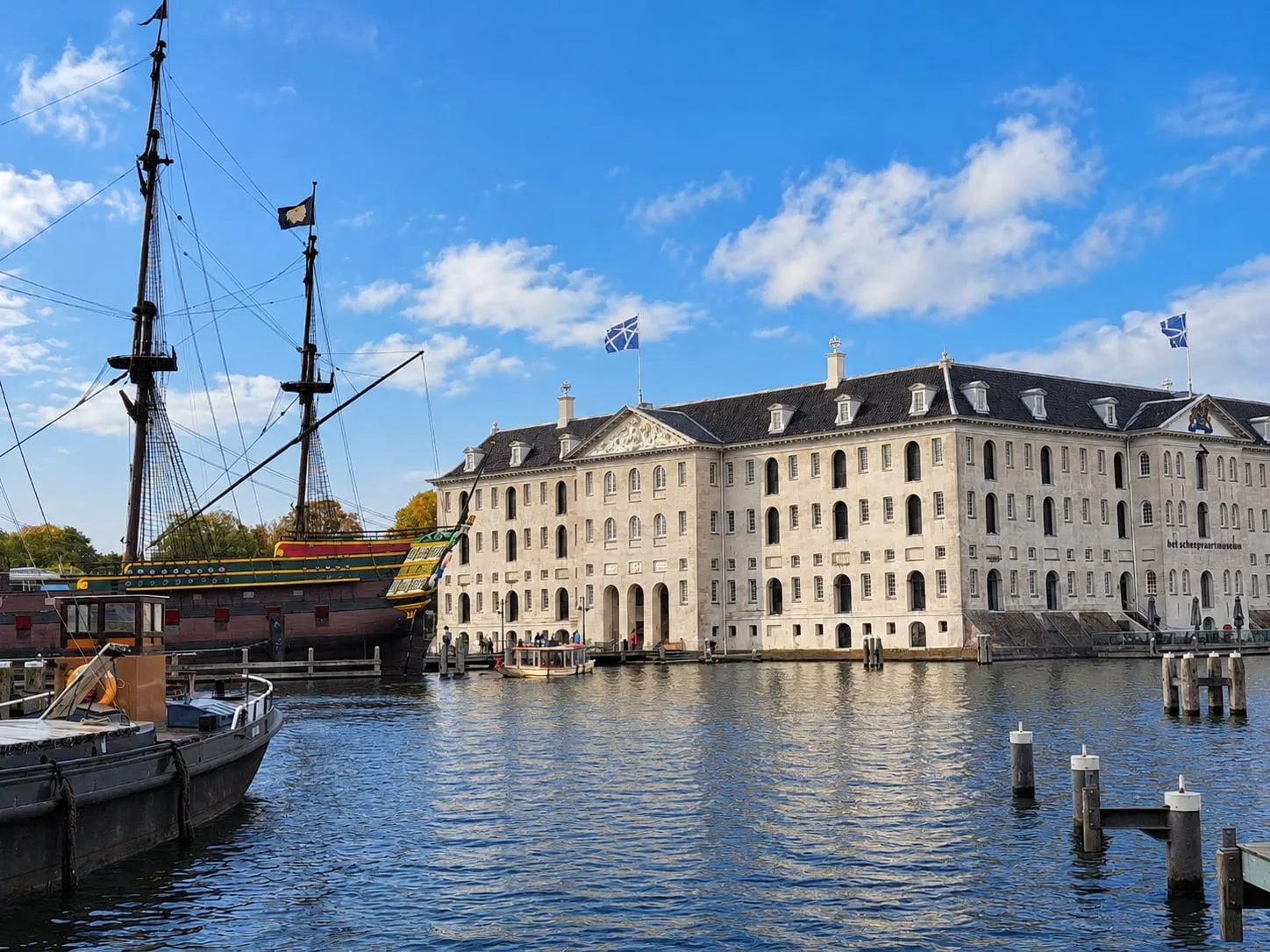
The seventeenth century was the age of almost undivided Dutch dominance across every ocean, from the Arctic to the Indian. How did a small young Republic in northern Europe, with no natural resources of its own, manage to build the largest and most innovative fleet in the world — and squeeze all its powerful rivals out of the trade routes? It is a genuinely unique story of clever and courageous people.

The “sweet little pie” in this portrait, delighting the eye of visitors to the wonderful Rijksmuseum, is the son of one of Amsterdam’s burgomasters and oligarchs, whose family clan held power in the city for over fifty years. How were burgomasters chosen, how many of them were there, and did they ever abuse their power? And did the darling boy continue his father’s business? (Herengracht 521)

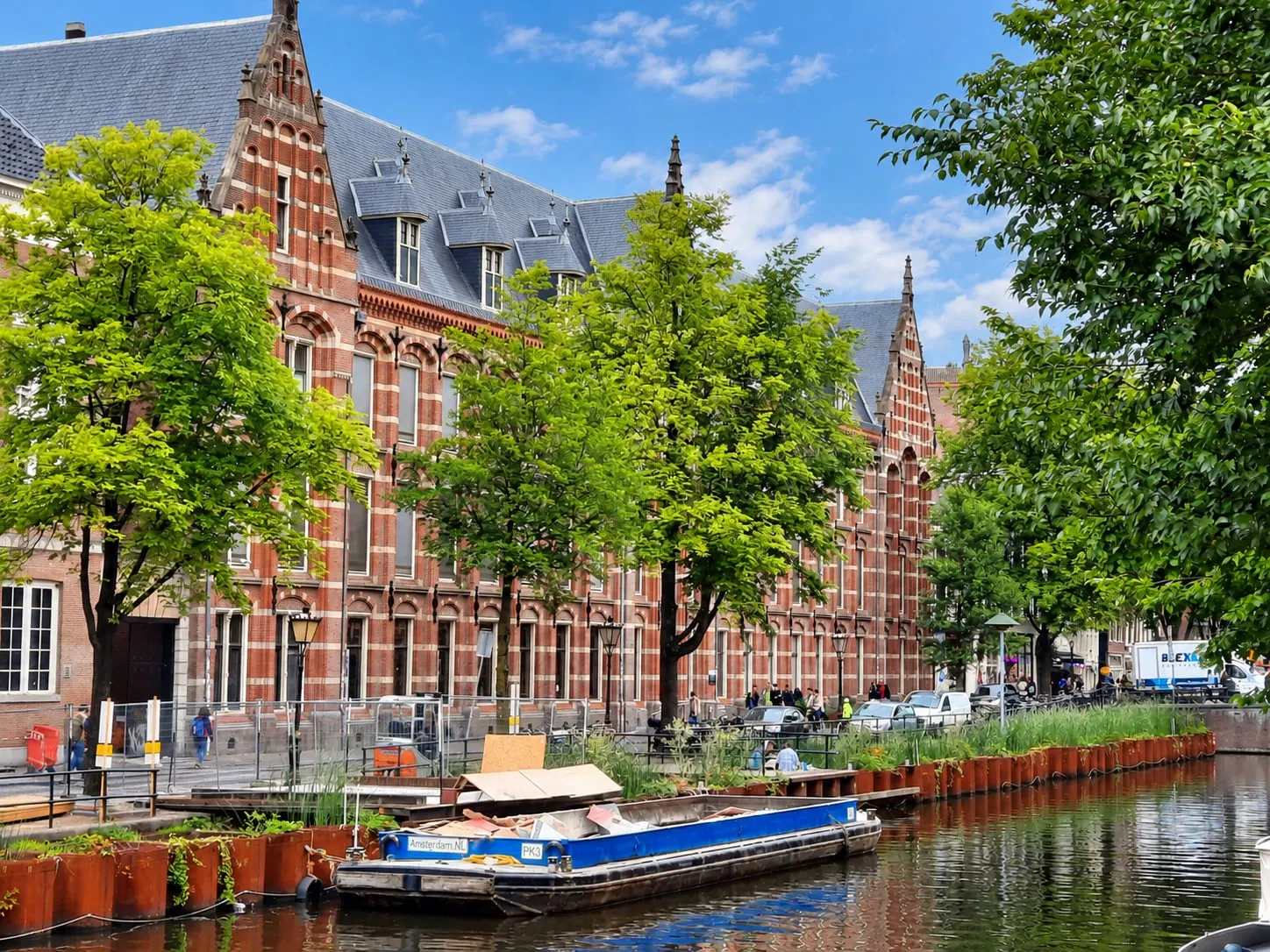
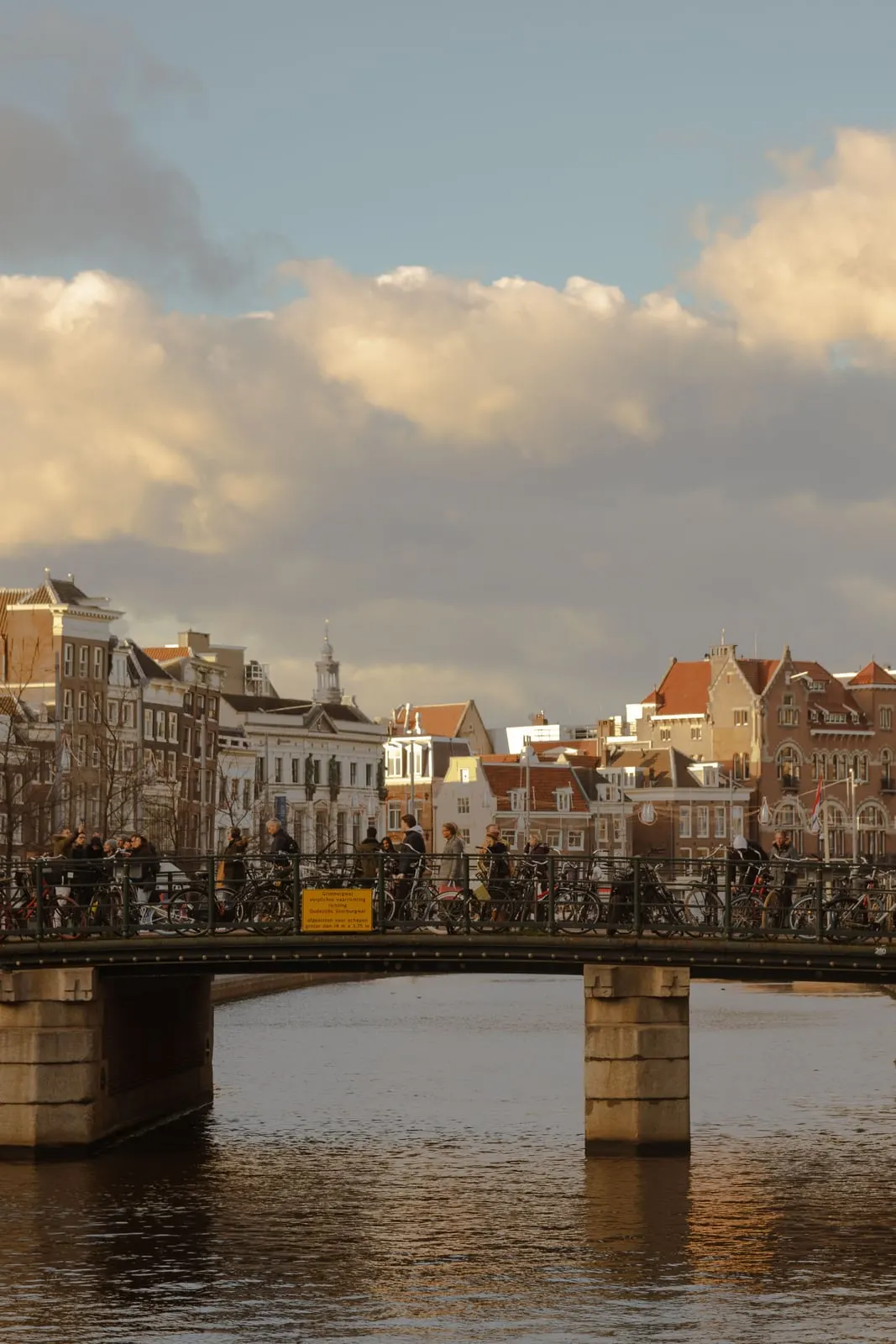
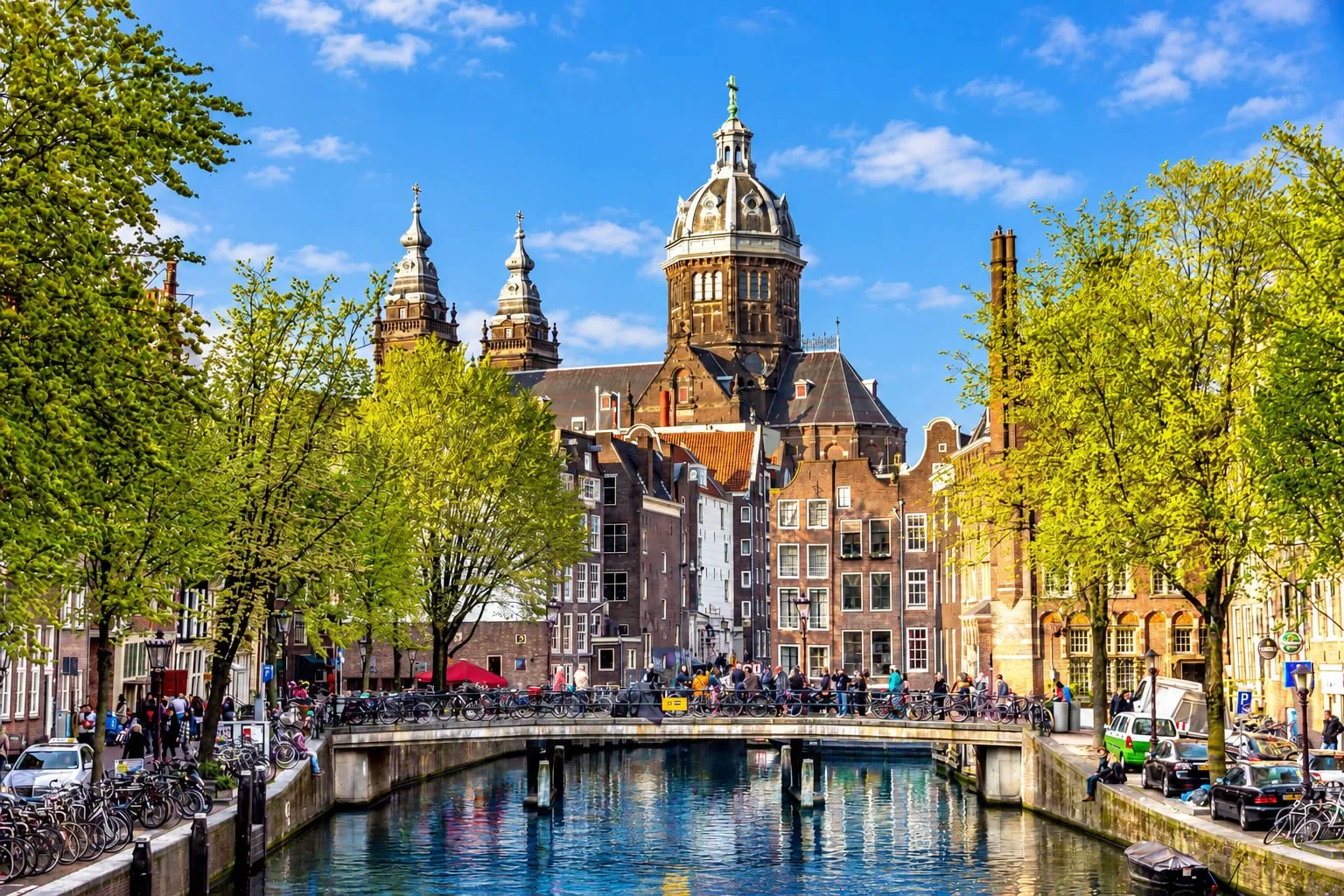
Amsterdam was a genuine state within a state, run by oligarchs — wealthy merchants who combined business and power. They called themselves, in the Roman manner, Patricians. And these patricians lived in lavish mansions along the canals, which were being built intensively at exactly that time. We will see the most beautiful of them and hear the stories of their powerful owners.

This tour is perfect if you

  • want to understand how Amsterdam became one of the most influential cities in Europe
  • are curious about how money works and how it changes the world
  • are drawn to stories of success, risk and big decisions
  • care not only about events but about the people behind them
  • love history that still sounds relevant today