Amsterdam
The Marijuana Paradox: behind the scenes of the permitted
A cannabis tour
- Cannabis as a cultural phenomenon of the Netherlands
- Myths and reality about what is "allowed"
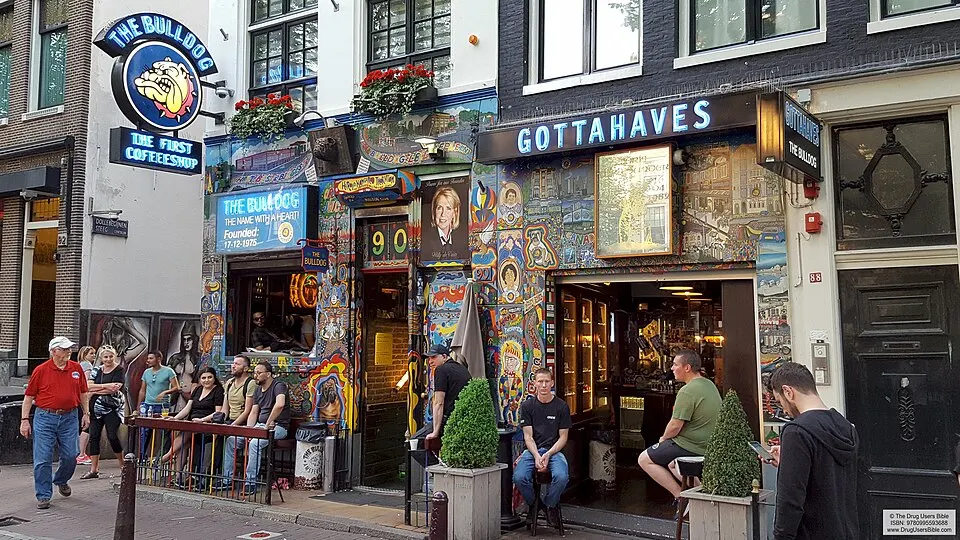
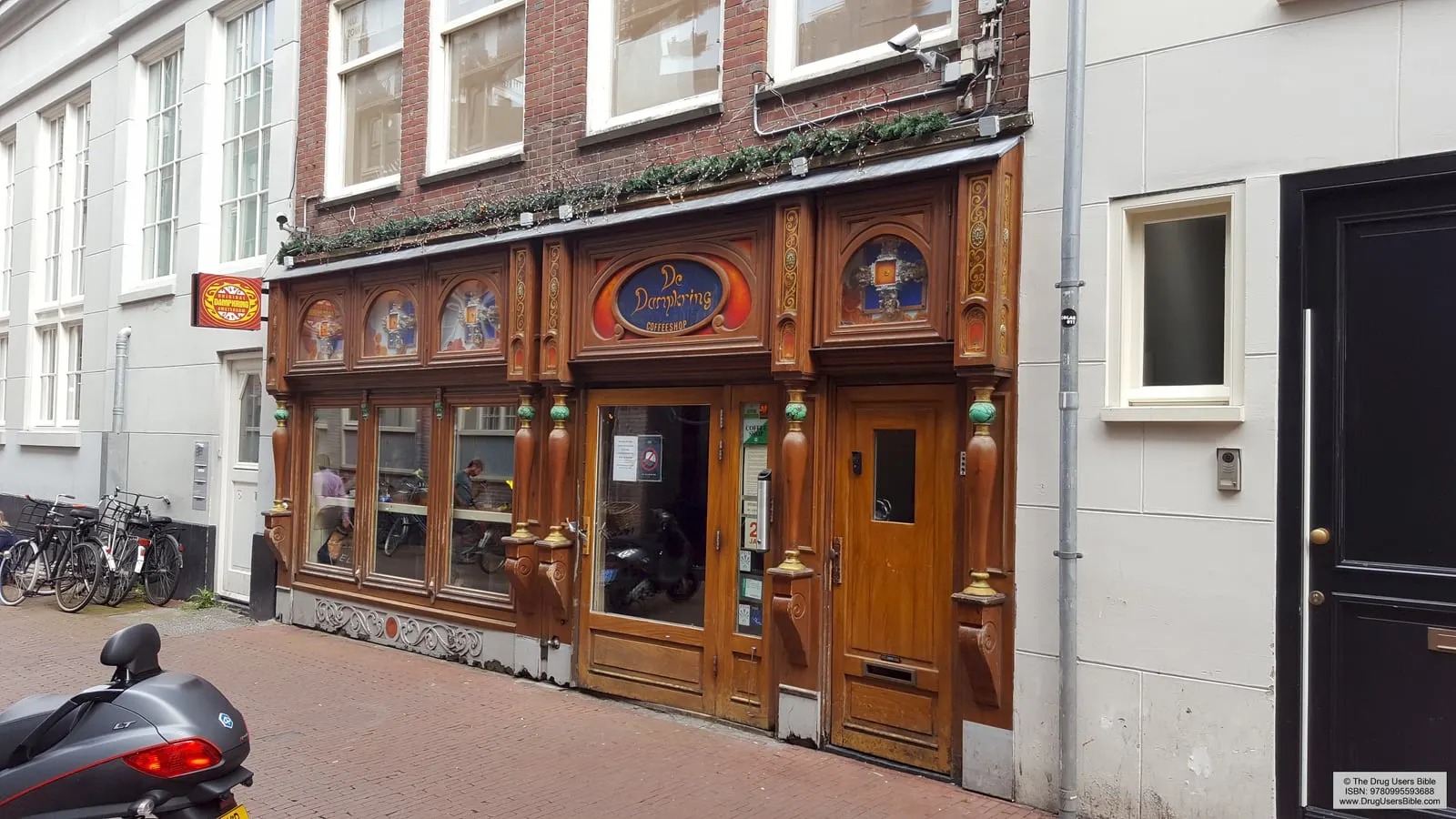
- The landmark coffeeshops of Amsterdam
- The philosophy of freedom, Dutch style
- The policy of the "half-closed eye"
‼️ IMPORTANT: this tour is informational and cultural in character. It does not require visiting a coffeeshop or consuming anything.
How a small plant became a symbol of freedom, contradiction and a particular Amsterdam culture
A walking tour through the historic centre of Amsterdam, during which we will open up one of the city’s most interesting and most contentious subjects — cannabis as a cultural phenomenon.
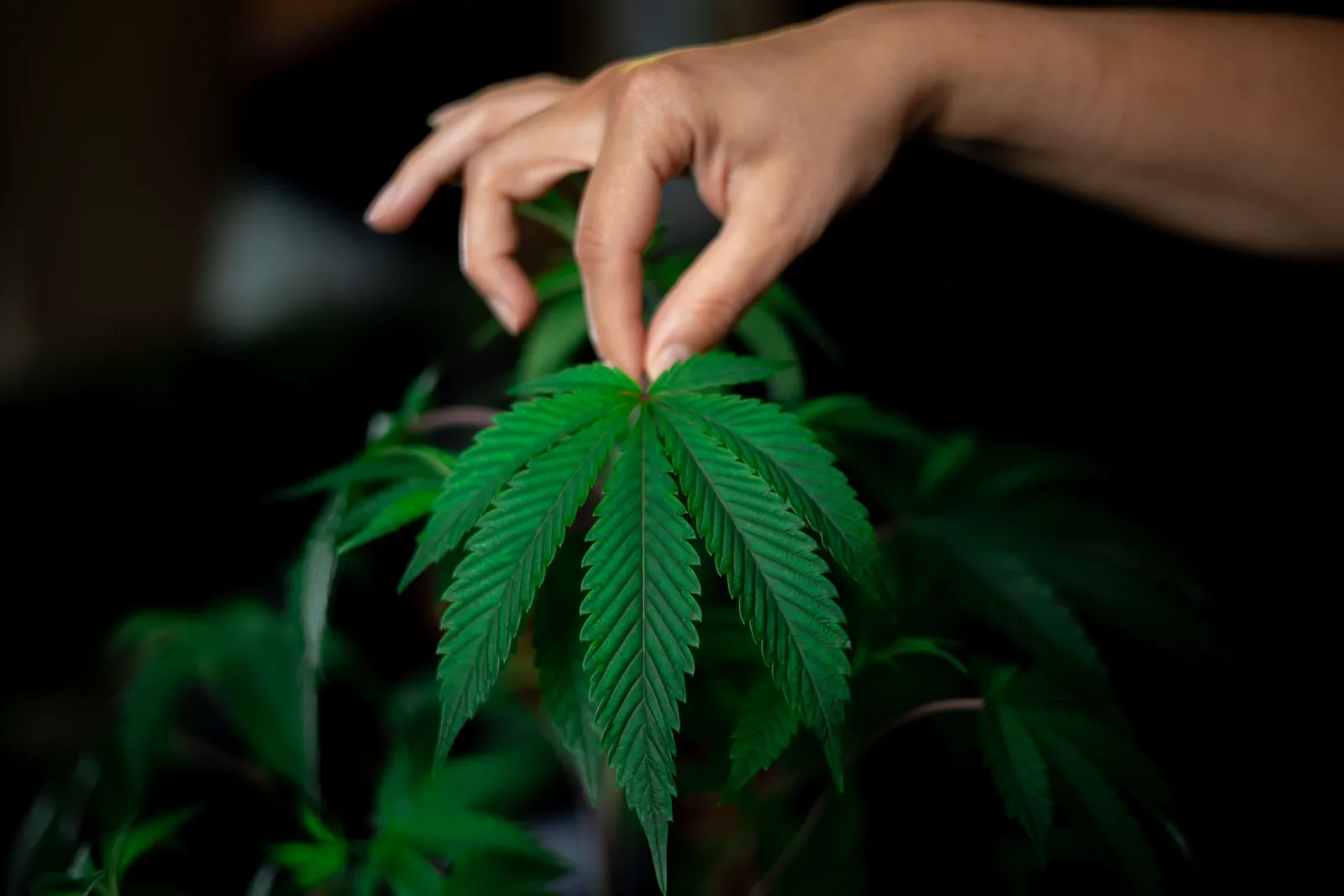
We will see Amsterdam’s iconic coffeeshops, look into the cosy Cannabis Museum and talk about who the legendary Lady Marijuana really is — a plant with countless names, properties and roles in history. About her poison and her medicine, and about her many thousand years of faithful service to humanity.
You will learn how attitudes to cannabis changed, and how the famous Dutch policy of tolerance took shape. We will also talk about the artists who drew their inspiration from it — quite literally by inhaling it — and about how this subject became part of the modern image of Amsterdam. And of course, every detail of cannabis growing, from the plant to the finished product.
This is a tour that helps you look at the city from a new angle: without stereotypes, but with a deep understanding of the subject :)

The story of legalising marijuana in the Netherlands is long, complicated and dramatic. The government arrived at this decision not out of an easy life — but it turned out to be genuinely Solomonic, and paradoxical. And once again the famous Dutch “policy of condoning”, or the “policy of the half-closed eye”, came in useful.
What connects Hollywood artists with Amsterdam? Inspiration, first of all. Which they obtained precisely in the places where inspiration can be bought relatively cheaply — that is, in coffeeshops. And one coffeeshop still carefully preserves the dazzling atmosphere created there in their time by George Clooney, Brad Pitt, Matt Damon and other legends of the cult “Ocean’s Twelve”. We will see this establishment with our own eyes.
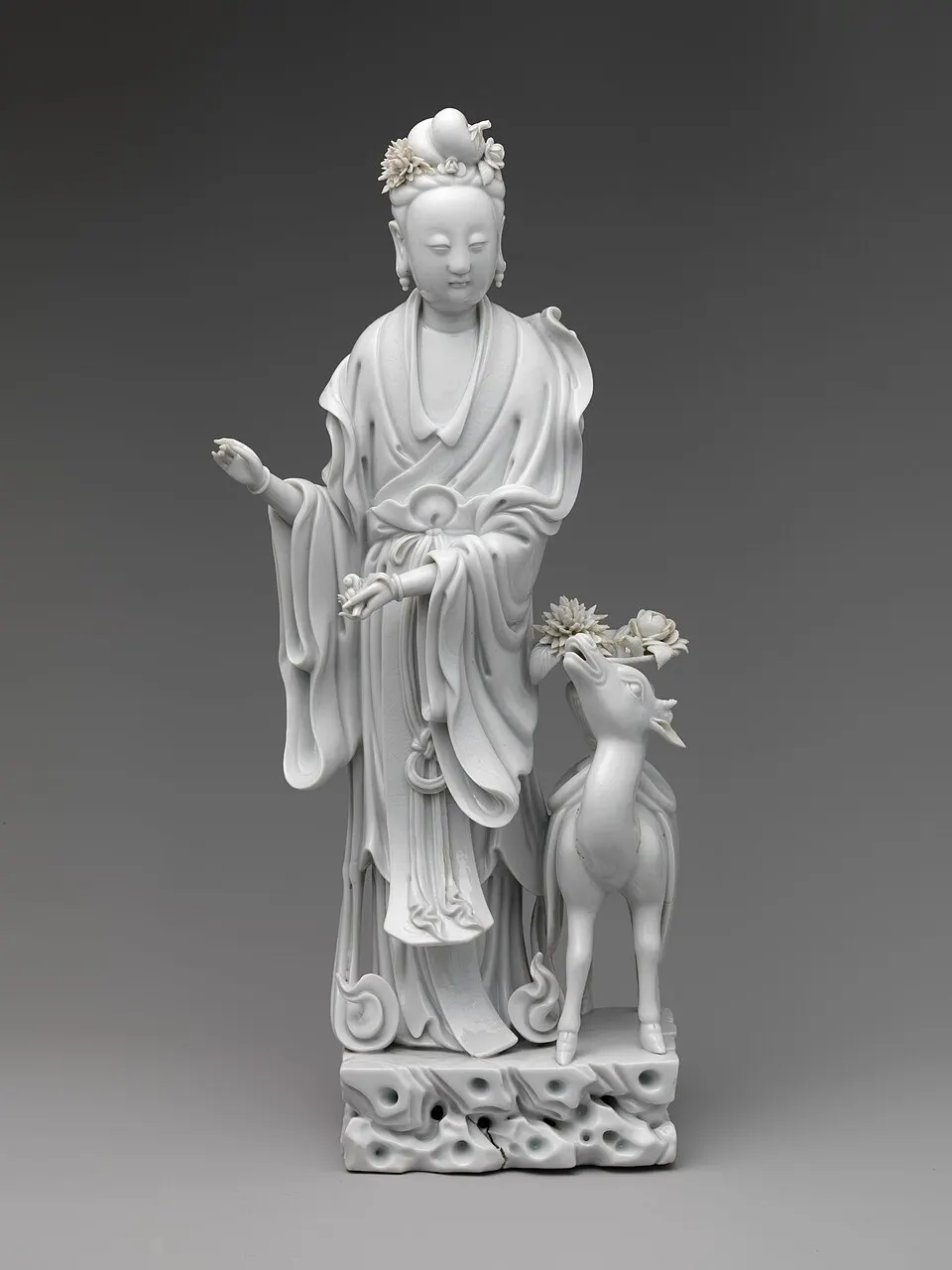
The ancient Chinese assigned a whole Goddess, named Ma Gu, to the patronage and protection of a single plant — hemp. They first described hemp around 2700 BC, in a book of medicinal herbs, as a painkiller and a sedative. In India at that same time no religious ceremony went without hemp — for how else could one see the many-armed Shiva, or the elephant-headed god Ganesha?
The struggle of the desperate campaigners for the freedom to use cannabis was long and exhausting. The pioneers of this risky business did not forget it. And they repaid it in their own way: elegantly, wittily, subtly — and, most importantly, entirely legally. I will tell you how the legendary founder of a coffeeshop empire took revenge on the police for years of persecution and ruined nerves.
Hemp was grown both in Ukraine and in the Netherlands for centuries. But its role in Europe used to be far more prosaic than it is now. And all because there is no plant on earth so indispensable to people in terms of practical usefulness. Hemp has the strongest plant fibre in the world, and contains not a single part that is useless for the household. What was not made from it…
And did you know who the Rastafarians are? Not simply cheerful lads in colourful hats pulled over lush dreadlocks. They are followers of a whole religious movement from the island of Jamaica — Rastafarianism. They have their own god, Jah. It is to him that the relaxed, melodic music of reggae is dedicated. And only through the mediation of marijuana can one speak with Jah in person.
This tour is perfect if you
- want to work out how it all actually functions, rather than by hearsay
- want to see "that Amsterdam", but without the clichés
- are drawn to the themes of freedom, culture and the limits of the permitted
- enjoy unusual, slightly provocative stories
- want an experience that is interesting to talk about afterwards