Amsterdam
The Splendour and Misery of Courtesans. The Red Light District and its enduring pull
- The history of a quarter that never sleeps
- How and why the world of red lights came to be
- Women's lives between glamour, freedom and dependence
- The culture, the rules and the unwritten laws of the quarter
- A different Amsterdam that surprises even repeat visitors
The alluring red lights that have not gone out for over 750 years — despite bans, wars and time itself
Behind them lies a history far deeper than it first appears. It is here that the true character of Amsterdam shows most vividly — free, practical and extraordinarily alive.
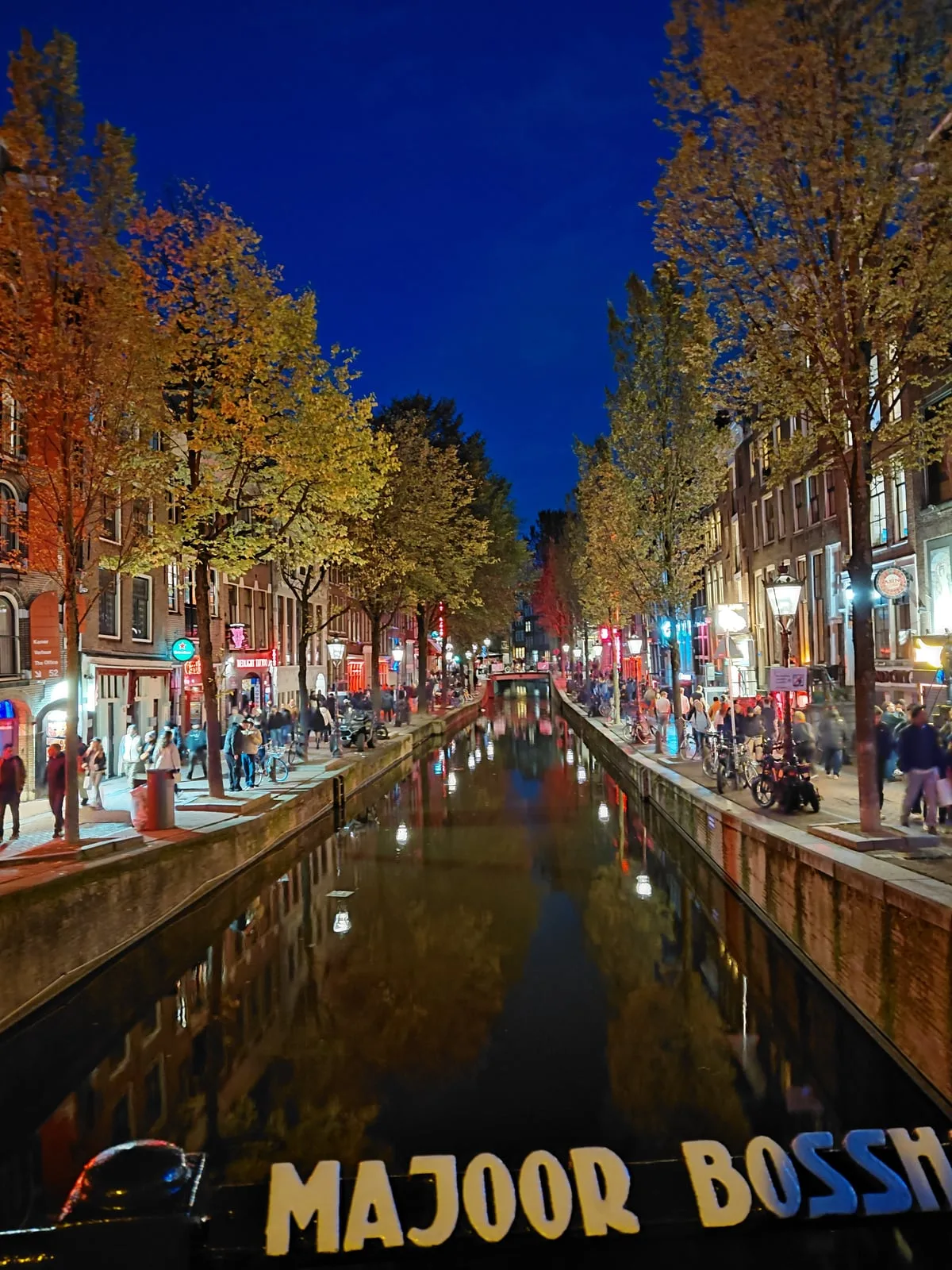
This was once the city’s first harbour, and today history, freedom and contradiction are entwined here.
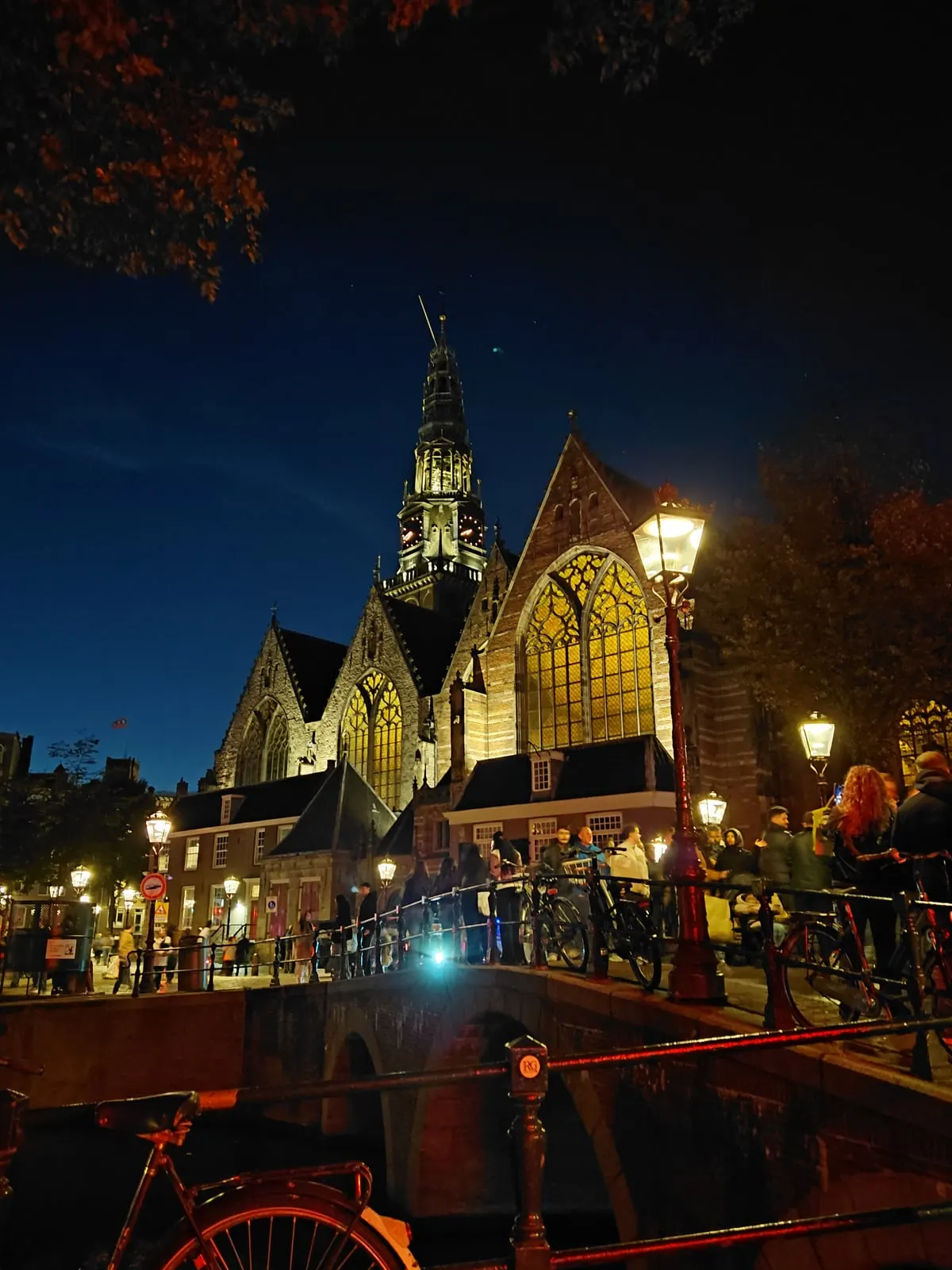
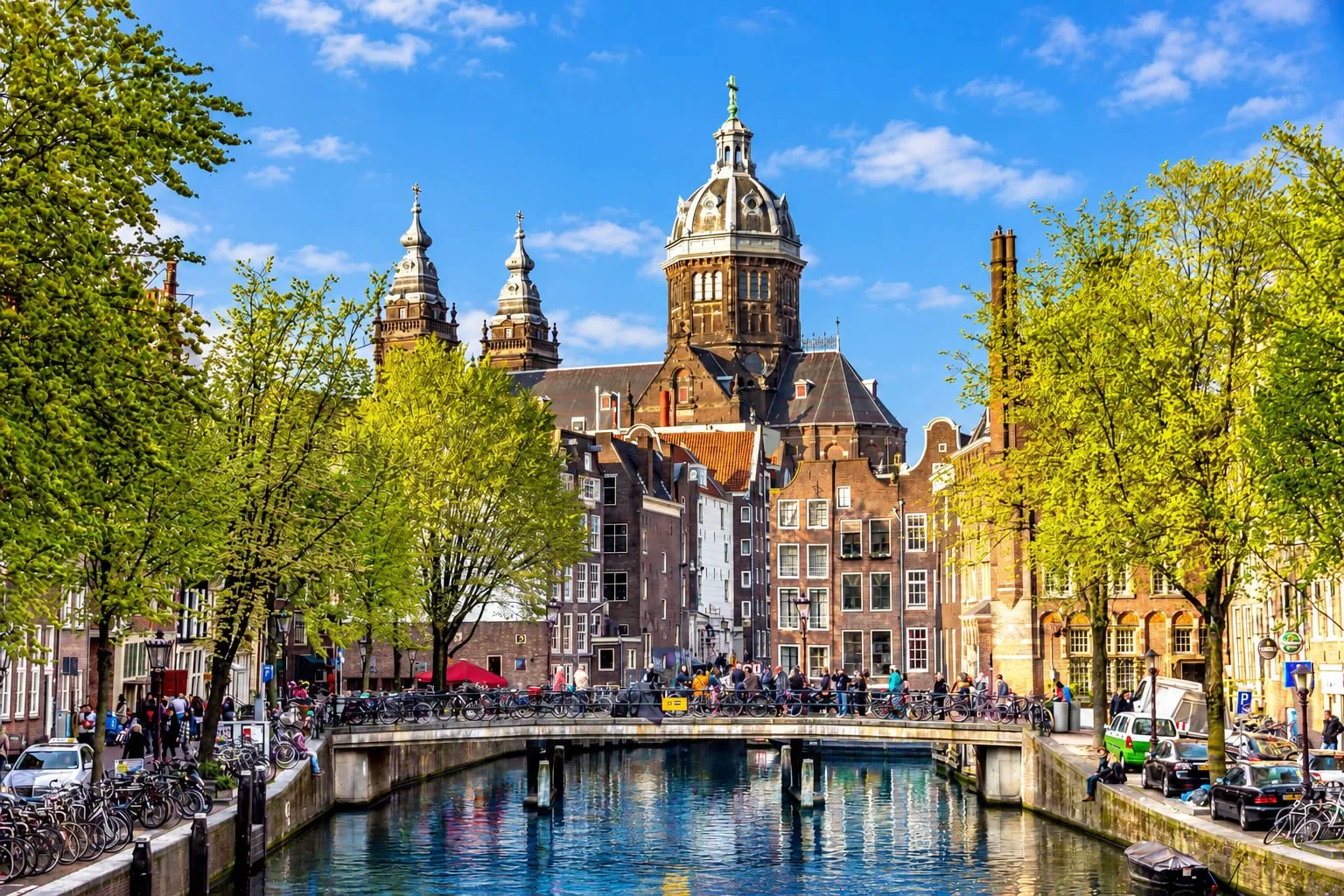
Next to the windows of the red lights rises the oldest church in Amsterdam — a silent witness to centuries in which faith, commerce and the things one does not say aloud all lived side by side.
We will work out how and why this quarter took shape precisely here, how it survived bans, wars and crises — and eventually became a magnet for the whole world.
We will talk about the lives of the women working in this quarter across different eras, about the rules that apply here today, and about how this part of the city fits into modern Dutch society.
And of course we will feel the singular atmosphere of this unique district, where freedom, ease and marijuana are in the air. And where, right alongside, Europe’s first Chinatown glows with its cheerful lights.

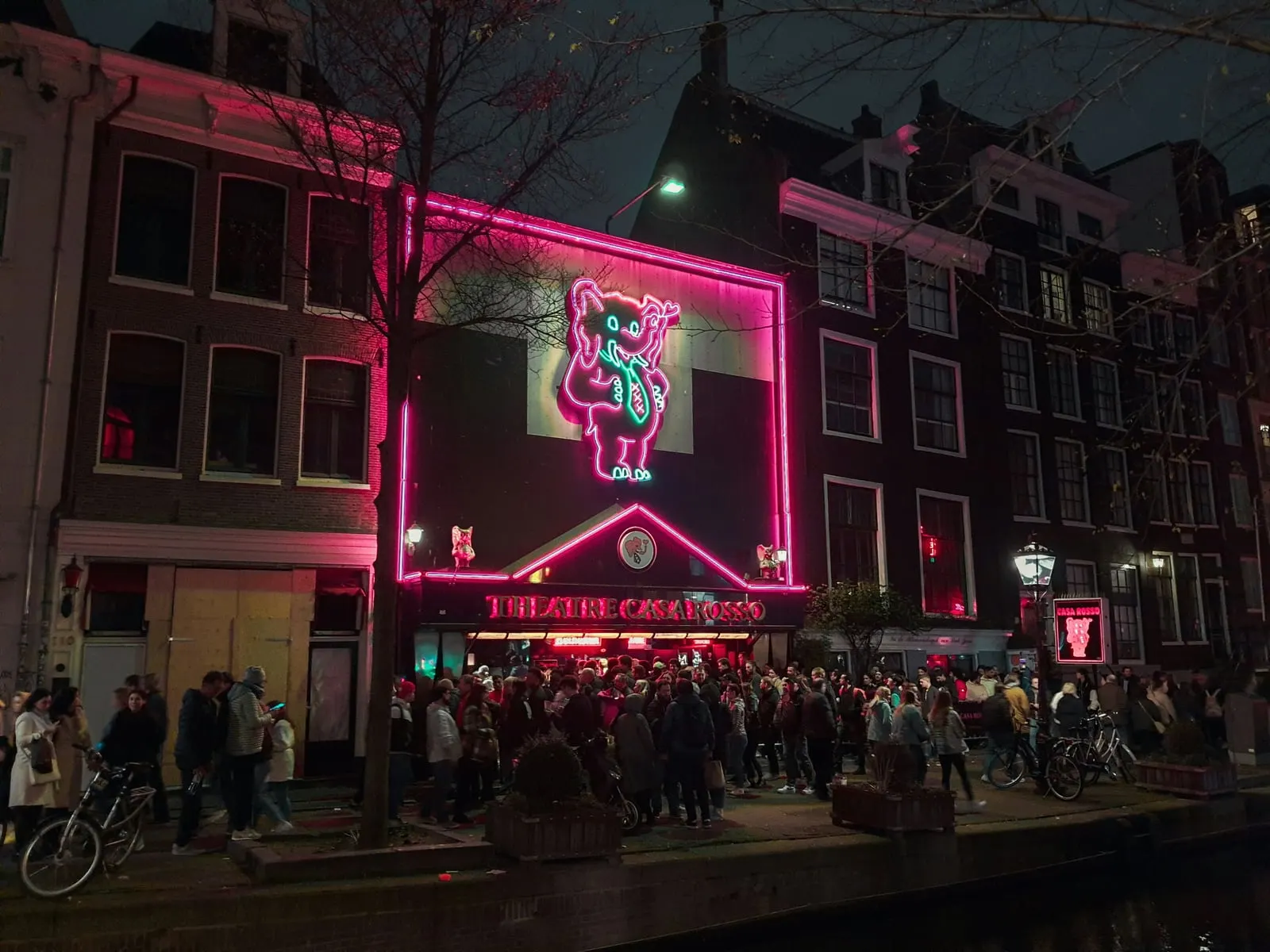
Who has not heard at least once of the famous erotic theatre and the sweet pink elephant that greets the esteemed public at the entrance? Anyone who wishes may enjoy the unpretentious performances of this temple of frank art — but not everyone knows the almost detective-like story of how it came to be.
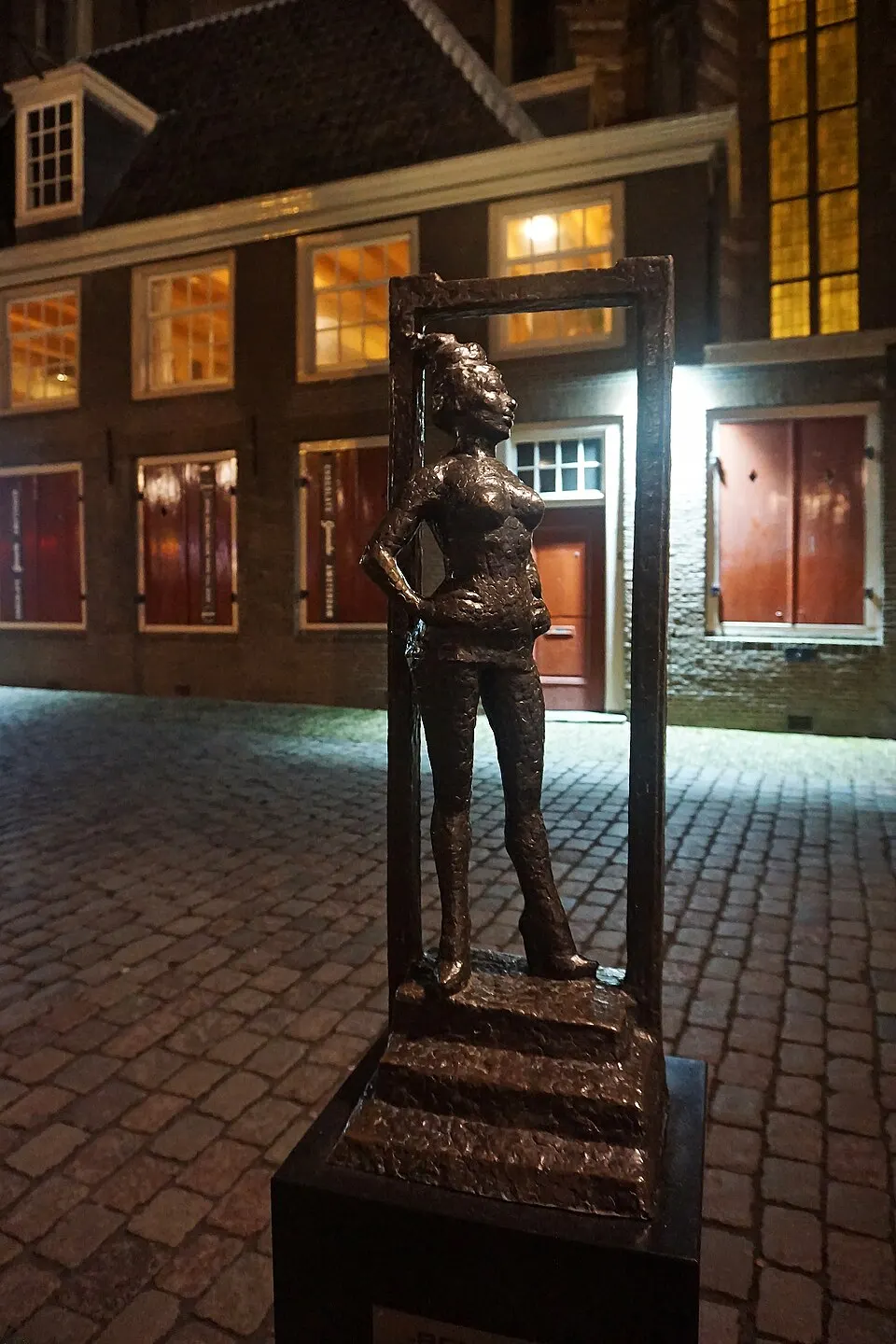
Did you know how many times over the city’s history the authorities banned the business of prostitution? And that the last ban was lifted only in the twenty-first century? But a ban does not lift itself: brave businesswomen had to fight for the freedom of their trade. And the victory was immortalised in this miniature beauty — Belle.
The oldest building in the city is the Old Church, once named after Saint Nicholas. What has it not seen over its nearly 750 years! And right around it, things sometimes happened that a Holy church and Saint Nicholas would normally never tolerate — anywhere except Amsterdam.
The “oldest” profession sometimes fell under a city ban. But the authorities never could — and never really wanted to — outlaw this business the city so badly needed. And so, in different eras, houses of ill repute took on various formally permitted forms.
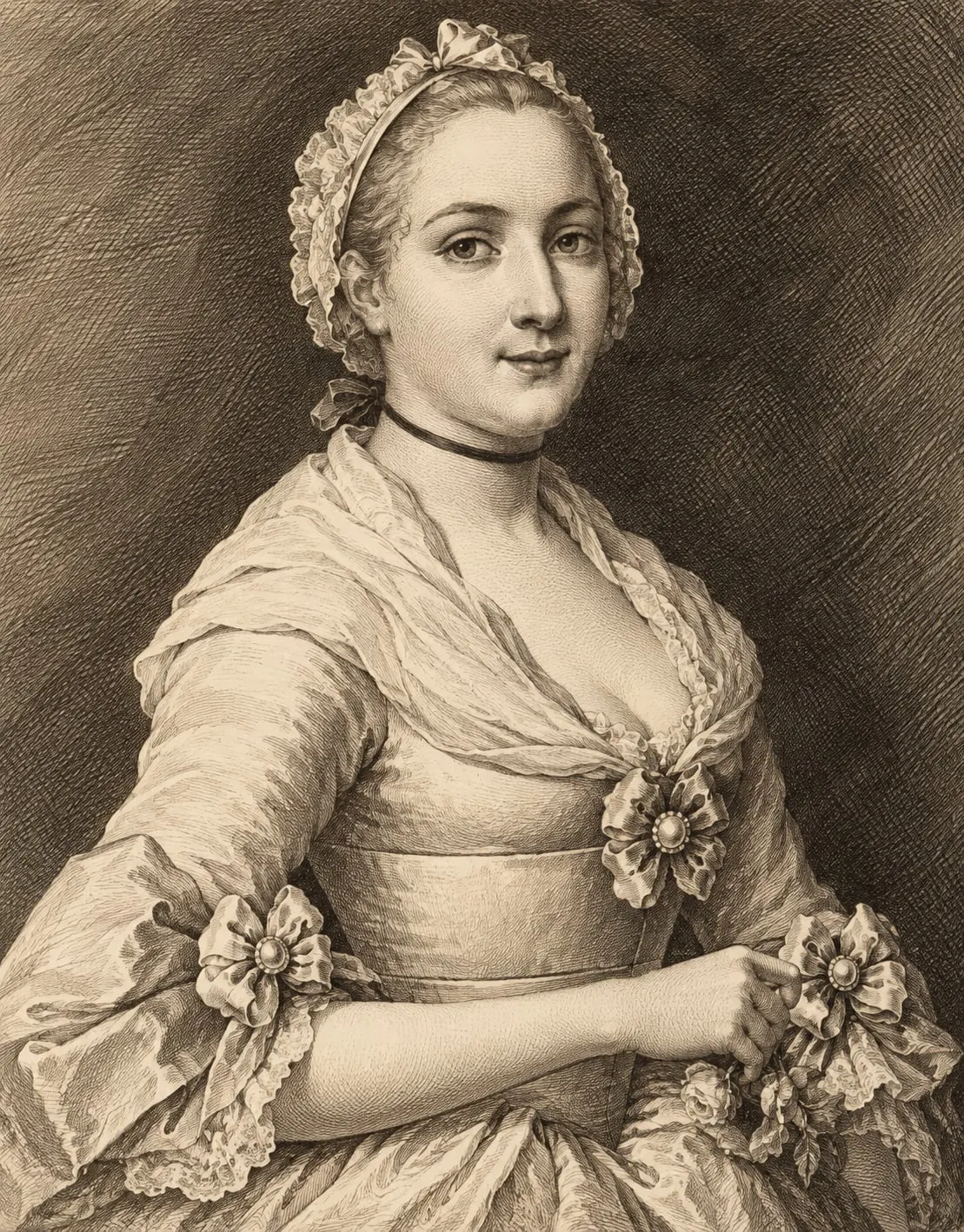
The fates of the thousands upon thousands of girls who found themselves in this Quarter over the centuries were all different. But the love story of one of them was so criminal, so tragic and so striking that the whole city talked about it for years. More than that — a contemporary even devoted an entire book to this priestess of love.
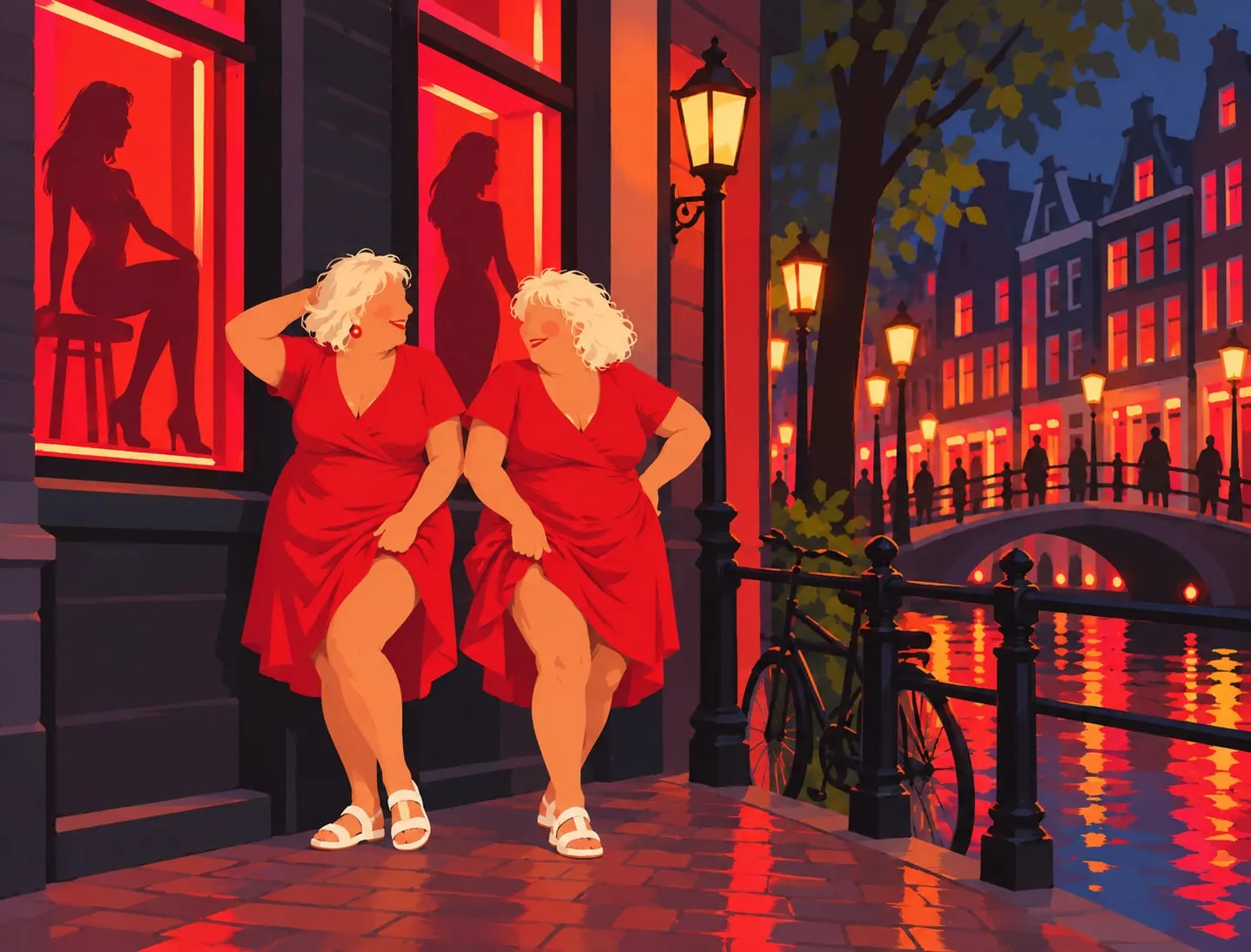
The Red Light District has its own “heroines of labour” and “veterans of the movement”, who are known and loved. Twin sisters who served their trade faithfully for more than half a century and made their dream come true: they opened their own brothel. And they also wrote and published a book about themselves, which became a bestseller.
This tour is perfect if you
- are interested in the city's history without embellishment or stereotypes
- want to understand how the Red Light District actually works
- are ready to discuss difficult and contentious subjects calmly and without judgement
- are looking for an unconventional tour beyond the classic routes