The Hague
Game of Thrones, Dutch Edition. An overview tour
- Kings, queens and royal palaces
- Parliament, power and the great political game
- The most beautiful and most important places in The Hague
- Stories, intrigues and secrets hidden behind the façades
- The city where the fate of the Netherlands was decided for centuries
The Hague is an entirely “different” Holland. Power, authority and restrained luxury
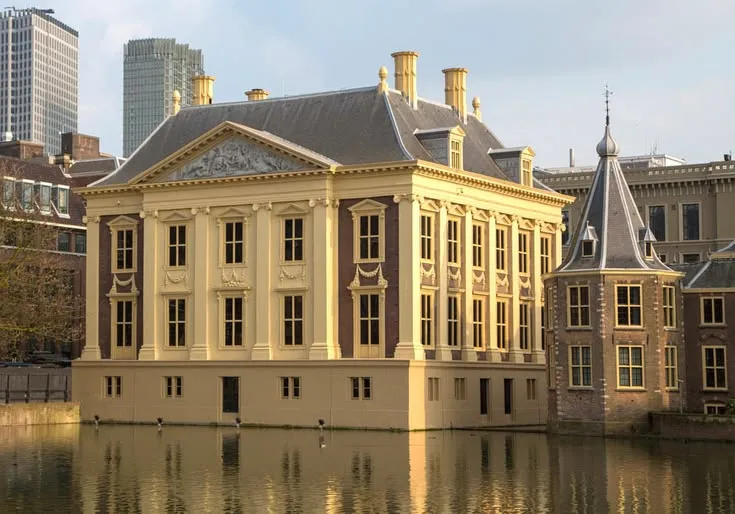
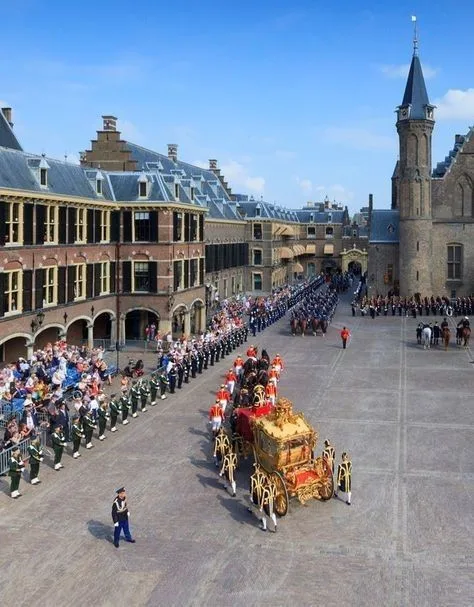
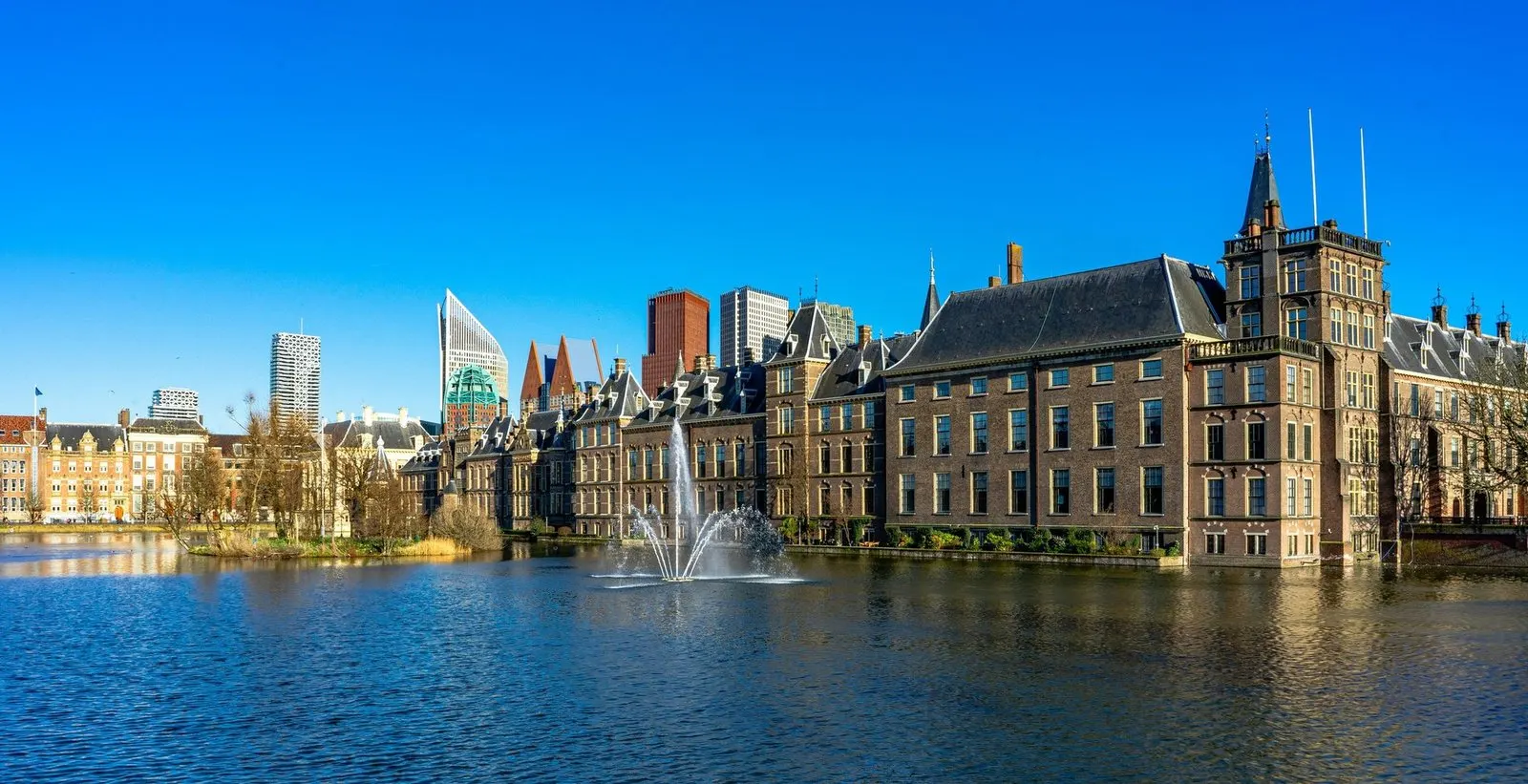
This city, whose name sounds different in every language, was a place where aristocratic brilliance and the force of law were concentrated. It breathed might and elegance at once — although The Hague does not even hold the status of a City. Noble knights, shrewd commanders, undefeated admirals, cunning and clever politicians, Parliament, princes and kings. Intrigues, conspiracies, executions, revolts — the second capital of the Netherlands has seen it all, and has magically turned into a comfortable, welcoming, ultra-modern city.
The origins of The Hague and its first steps are a genuine medieval chivalric saga: with hunting, wars, castles, knightly tournaments, feasts and beautiful ladies. The lords of these lands, generation after generation, had minstrels sing of their deeds. But their main legacy is beautiful The Hague itself — den Haag. A settlement with a strange name, and not just one, which became the capital of Europe’s first Republic and then of a brilliant Kingdom. Monarchs, Parliament and governments change — traditions do not.
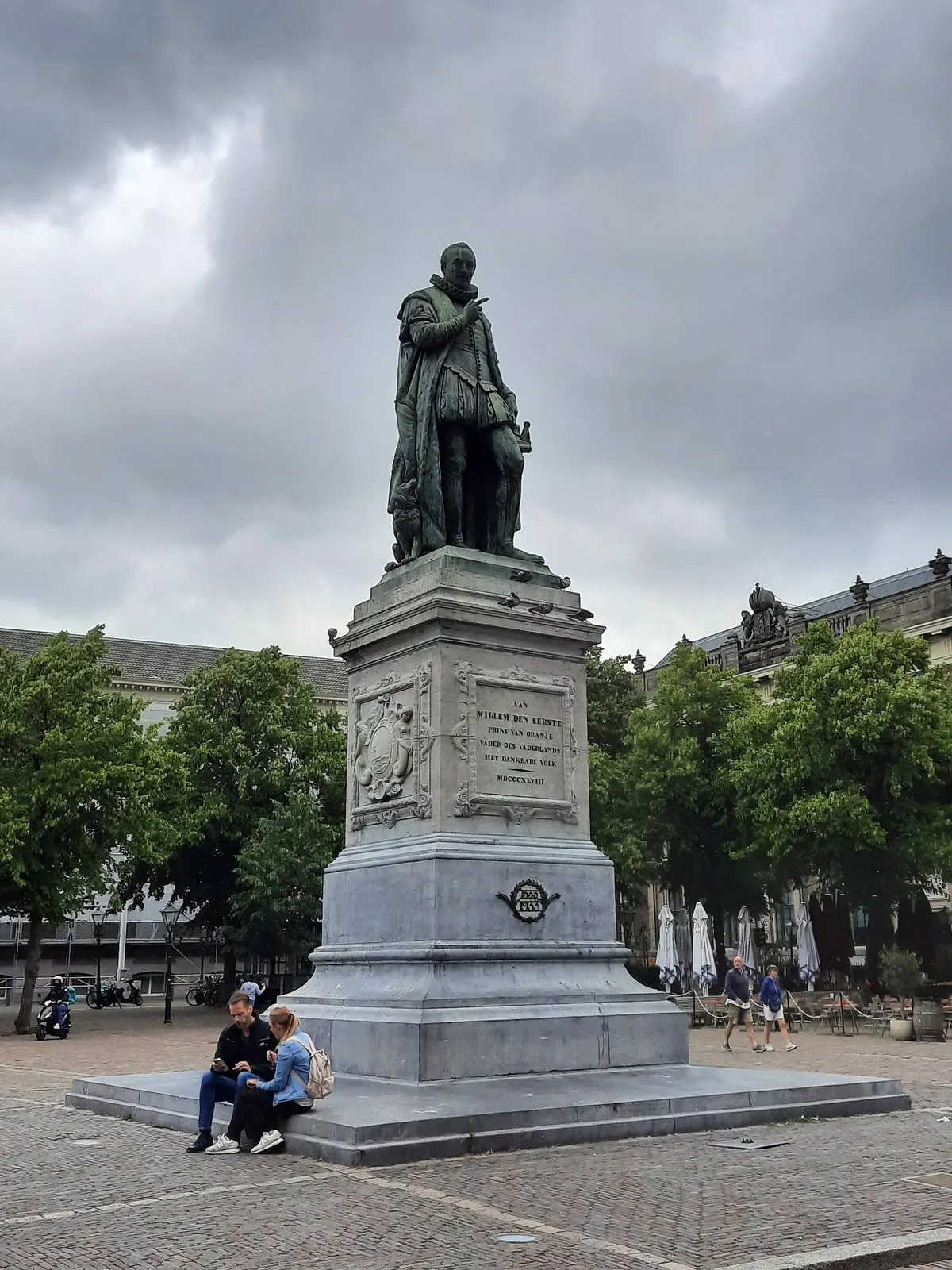
Everyone knows that the Dutch football team, and all its supporters, are orange. And that orange is the country’s principal colour. But why? Because that colour carries the name of an extraordinary man, considered here the true father of the nation. And that is no figure of speech: were it not for Prince William of Nassau-Orange, nicknamed the Silent, the country of the Netherlands might not exist on the map of the world at all.
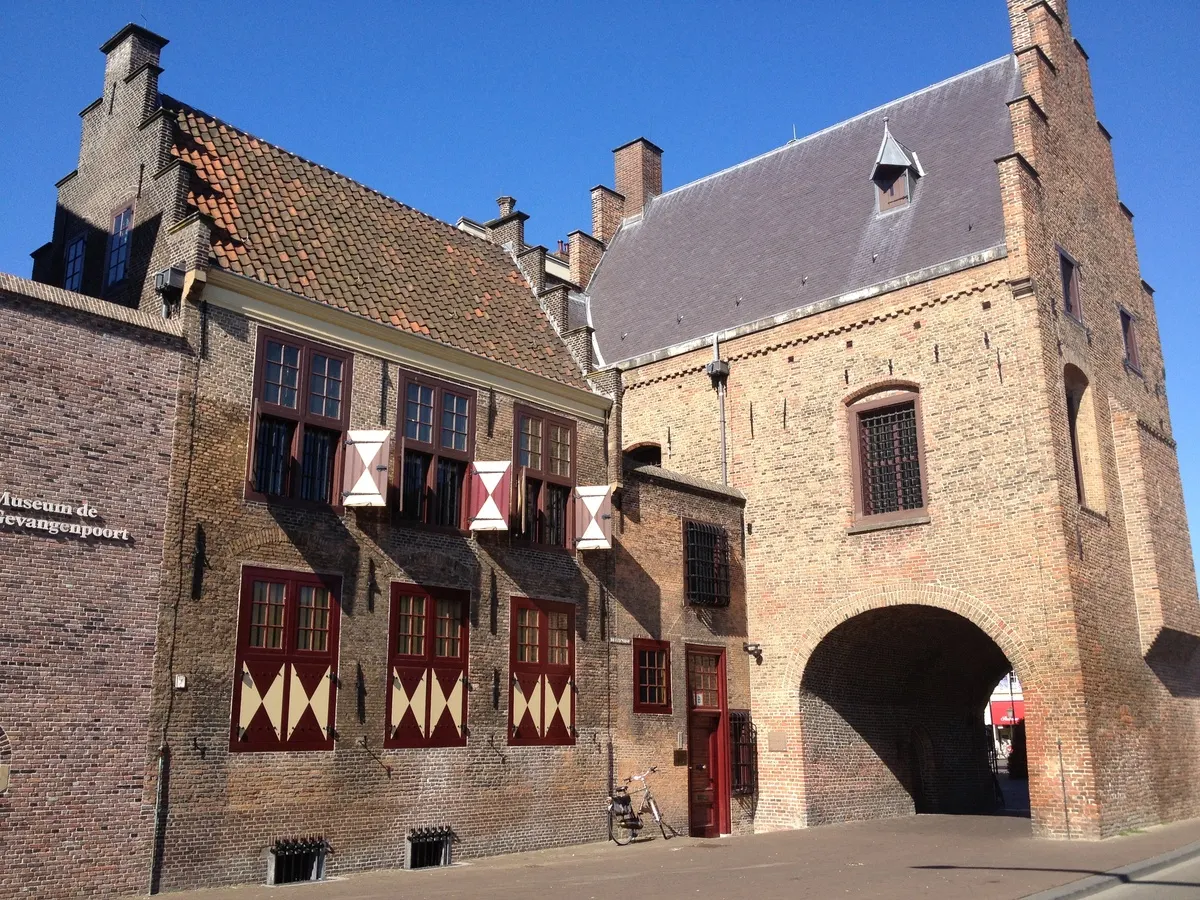
And do you know what the grim old Hague prison, rising in the very centre of the city, has in common with modern hotels? It grades its cells by class. There are cells designed for dozens of unfortunates who had to exist without any human comforts, as befitted a medieval prison. But there are also cells with improved conditions — and even a luxury cell with a “view”. We will see exactly what view. Incidentally, the very word “camera” is Dutch too.
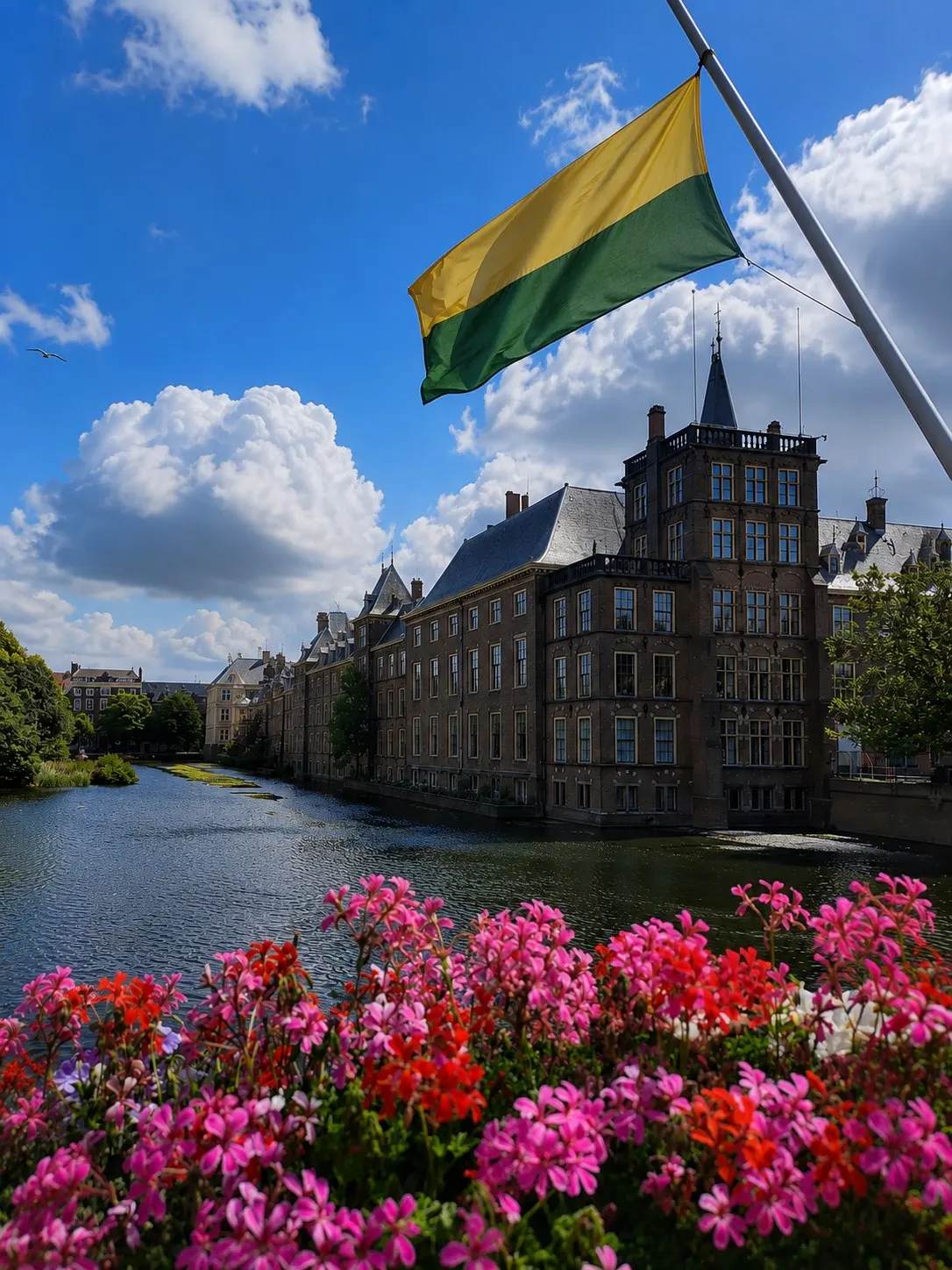
Each of the provinces of the Netherlands, as well as almost every city, has its own flag and coat of arms. They are many centuries old, a legacy of the Noble Houses — the counts, dukes and bishops who once ruled the Low Countries. The flag of The Hague is yellow and green. And behind these two colours lies a fascinating and unexpected story of history and geography, reaching back a thousand years.
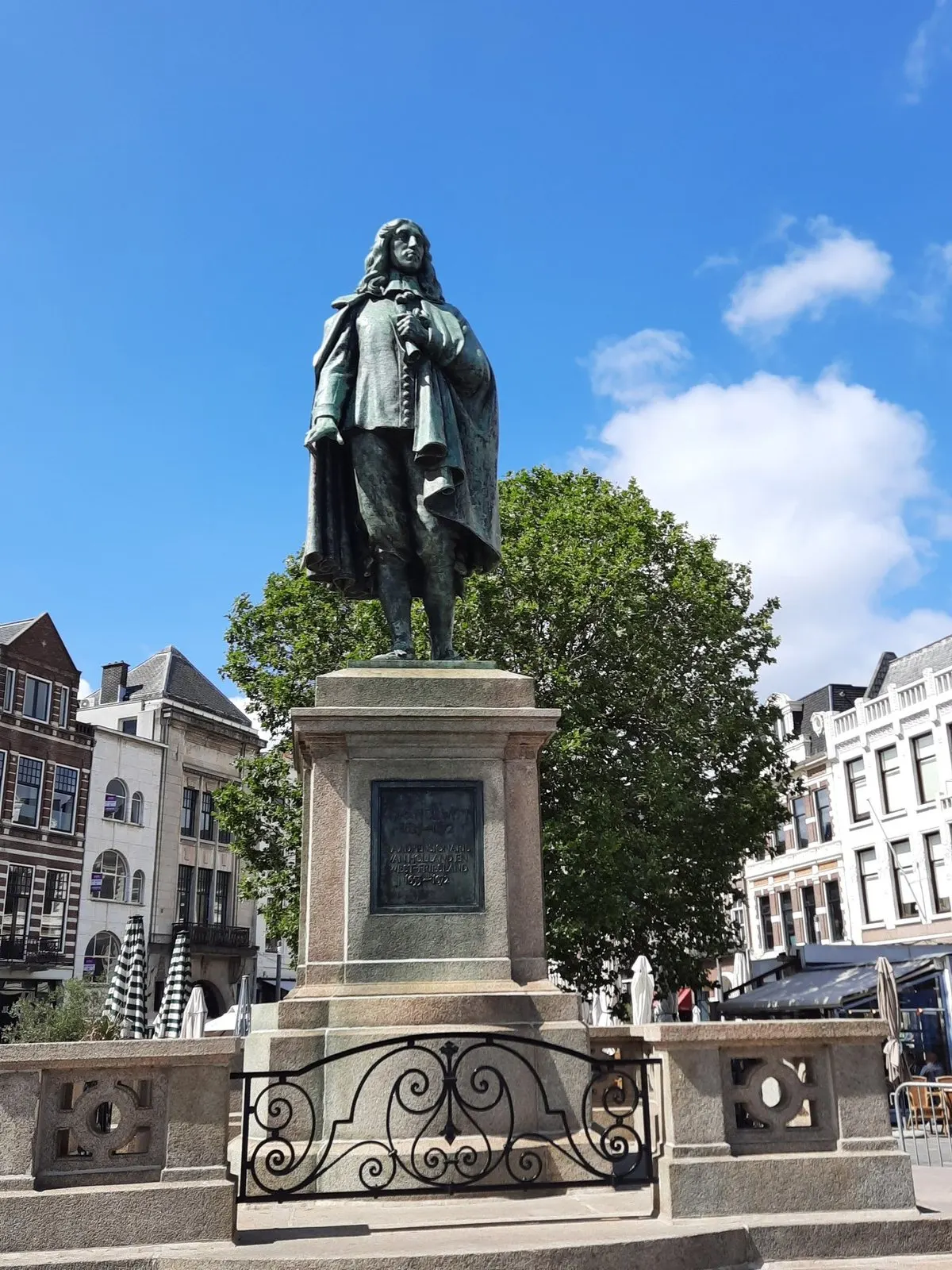
The seventeenth-century Netherlands was the most tolerant, most democratic country of its world — but even the sun has its spots. One of the most horrific events in the country’s history, which still chills the blood, happened right here in The Hague. Today a monument stands on that spot — at least in this way the descendants could repent before one of the country’s most brilliant politicians.
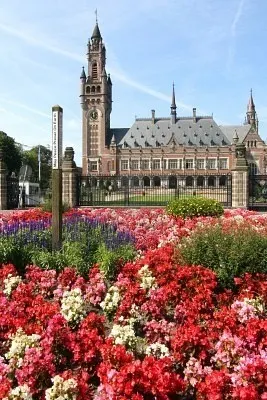
What could a Queen of the Netherlands, a Russian tsar and an American millionaire possibly have in common? You will be surprised, but together they tried to fight for peace after the First World War, which senselessly took millions of lives across Europe at the beginning of the twentieth century. It was from this exquisite Peace Palace that The Hague began gradually turning into the office of world justice. It is certainly worth seeing.
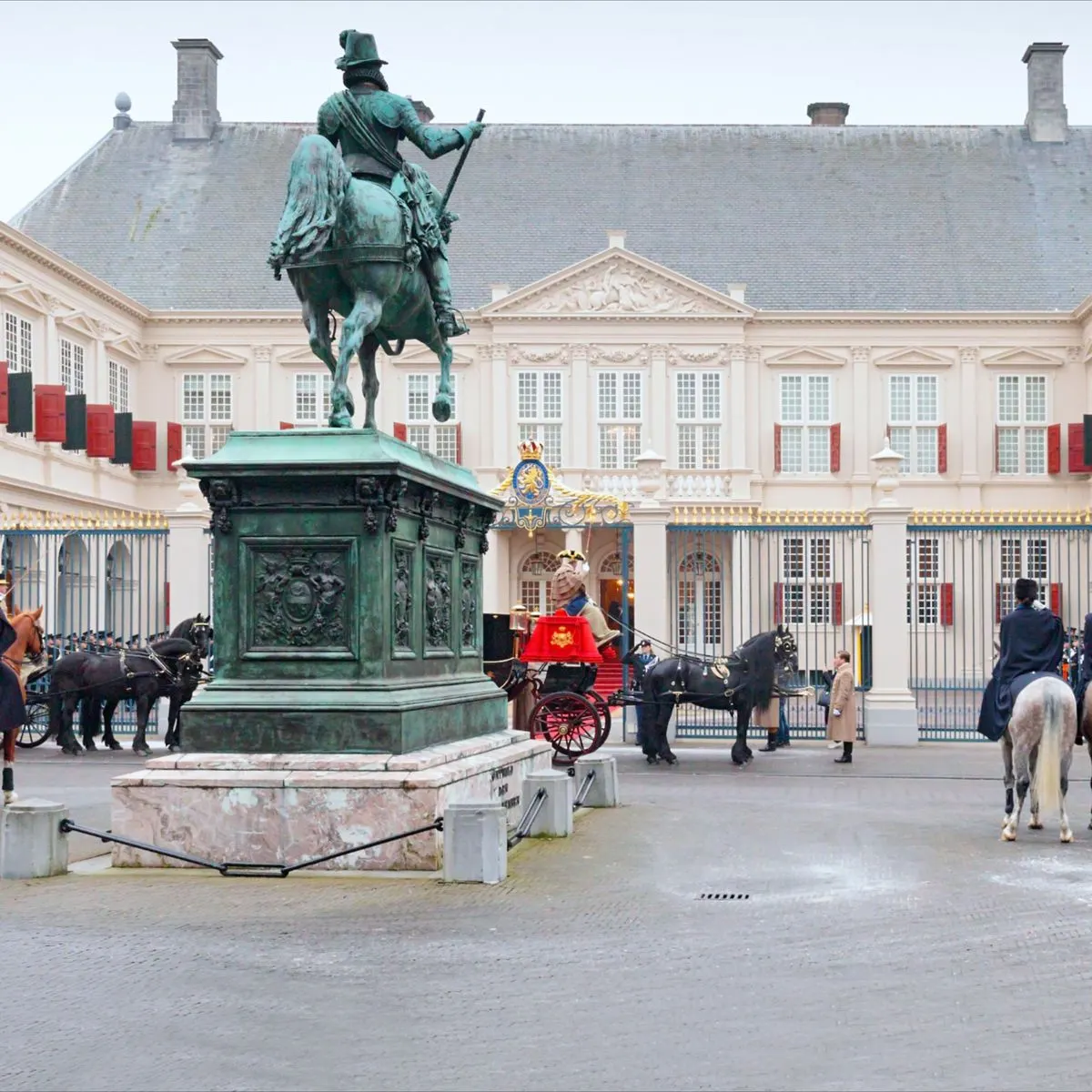
And what would a Political Capital be without a Royal Palace? Around five hundred years ago a medieval estate on the edge of what was then The Hague was turned into a residence. Fifty years later the widow of William of Orange himself moved in with her small son. So began the royal history of this beautiful building — and that history is far from over :)
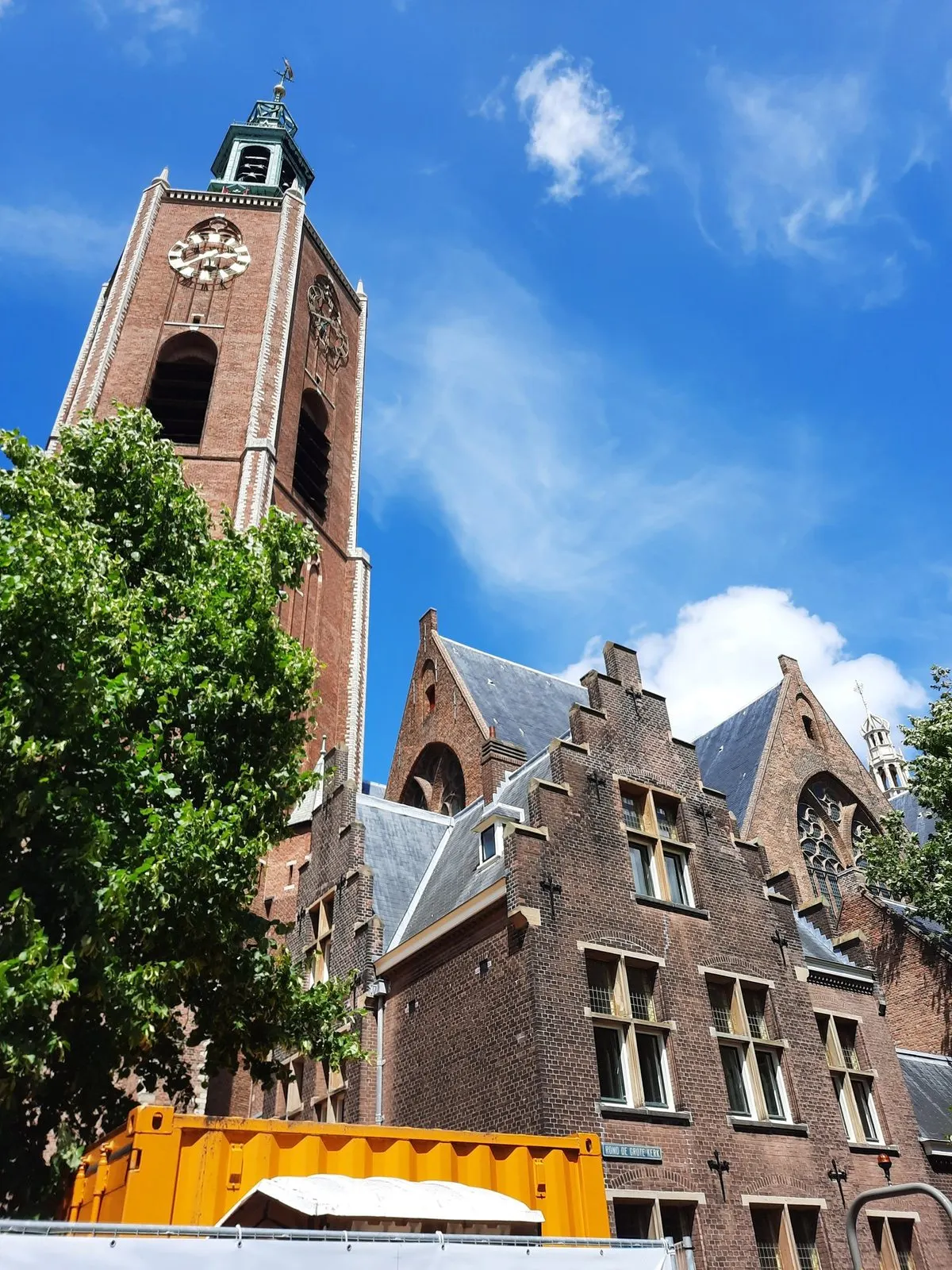
The early sixteenth century. A furious crowd of women frees an arrested smuggler and hides him in the Grote Kerk, the largest, most important and one of the oldest churches in The Hague. Why on earth? It was all because of… beer. Although perhaps simply because that Dutch beer “Robin Hood” was rather too handsome. Though one does not rule out the other :) But that is how the famous Hague Beer Riot began.
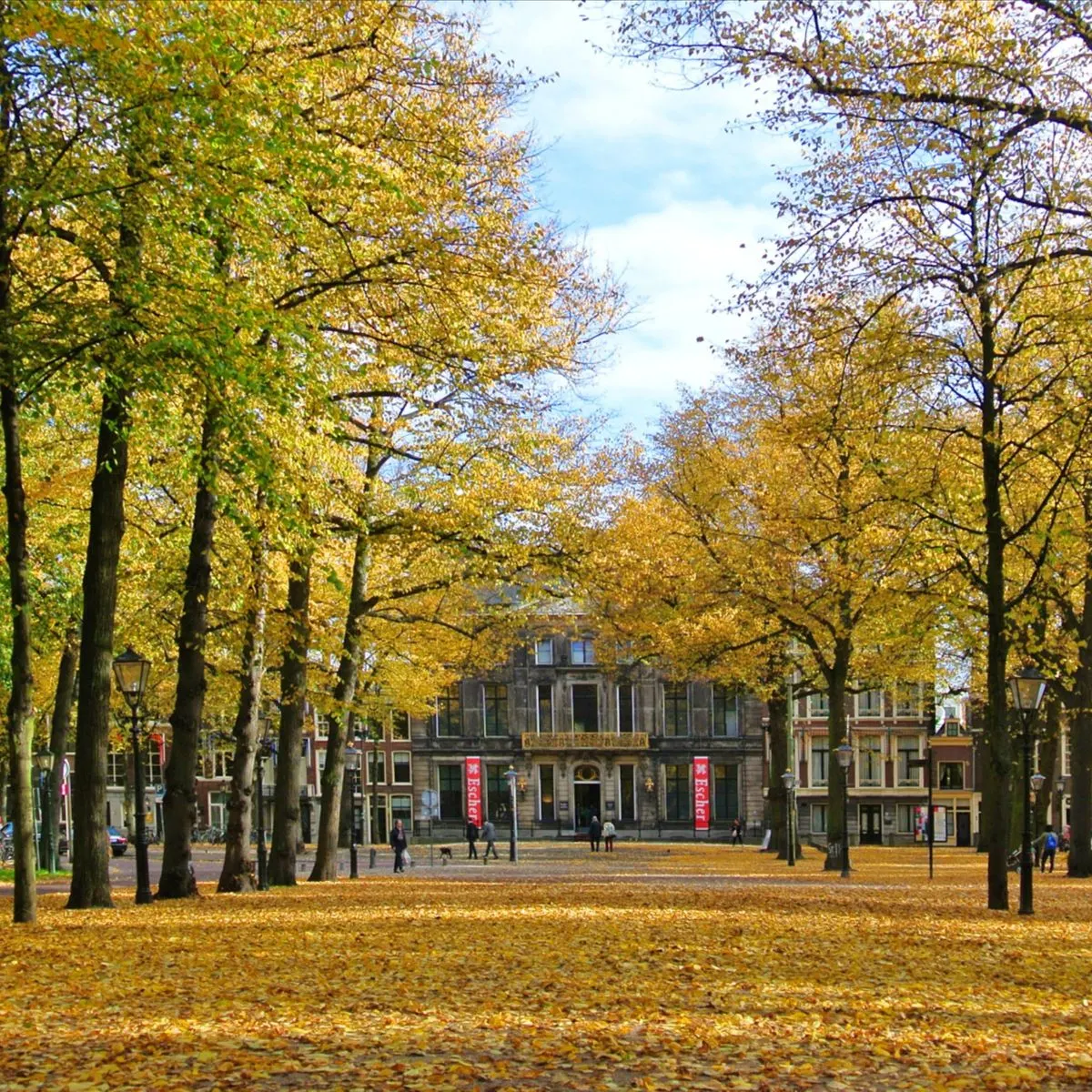
Emperor Charles V, Emperor Napoleon Bonaparte, the least beautiful bride in Europe, the most famous ballerina in the world, one of the most interesting, most famous and most paradoxical artists of our time — all of them, and many other great figures, are in one way or another connected with the street that is a legend of The Hague. The most expensive street in the city, which began as the edge of a great forest and became a street of aristocrats — by title or in spirit.
This tour is perfect if you
- want to see The Hague — the city of high politics
- are interested in the history of the Netherlands and its monarchy
- love palaces, royal stories and political intrigue
- want to learn where and how the decisions that changed the country were made
- want to see and hear city stories you certainly do not know yet