
Delft
"The Sphinx of Delft"
Johannes Vermeer and his pearls
The enigmatic genius of Delft
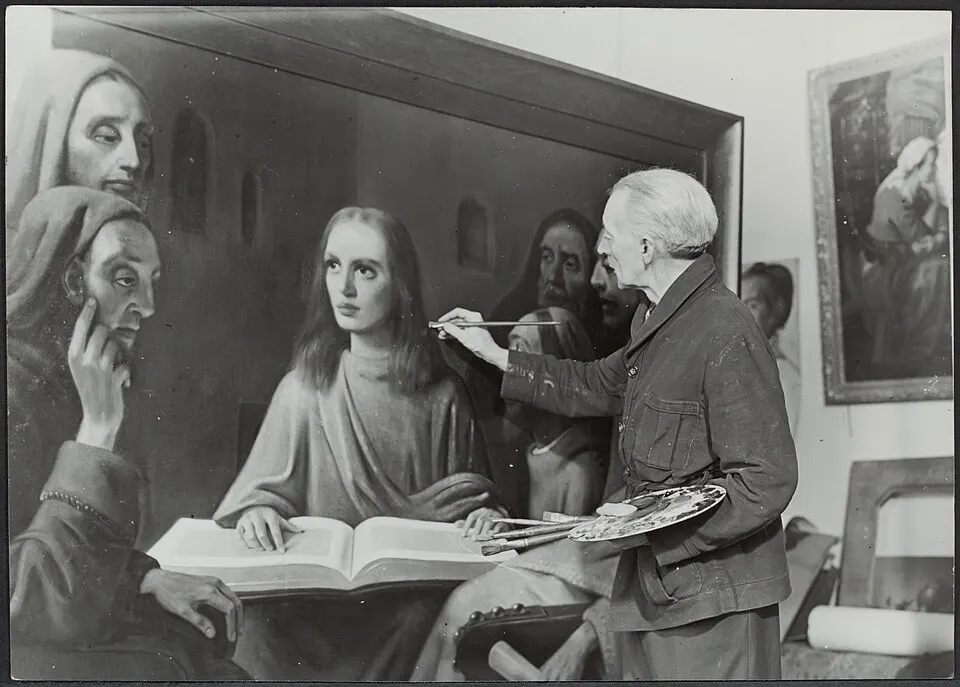
What do we know about the life of the great painter? In truth, not much. He is a riddle of a man, who left behind very few documents and fewer than forty paintings. But what paintings! Delft, where Vermeer was born and lived his whole life, does gradually open for us the doors to the secrets of a life he kept hidden from posterity. A family with some remarkable adventurers in it. Love at first sight, and a mother-in-law who became both the “good” and the “evil” genius of the artist at once. Friendship with the most outstanding contemporaries and fellow townsmen — no less interesting. The “year of disasters” in the Netherlands. Debts. Attempts to pay them off… and an early, inexplicable, sudden death. We will try to make sense of it all. And we will also glance briefly into the middle of the twentieth century: who and what connects the great Master with the Second World War?
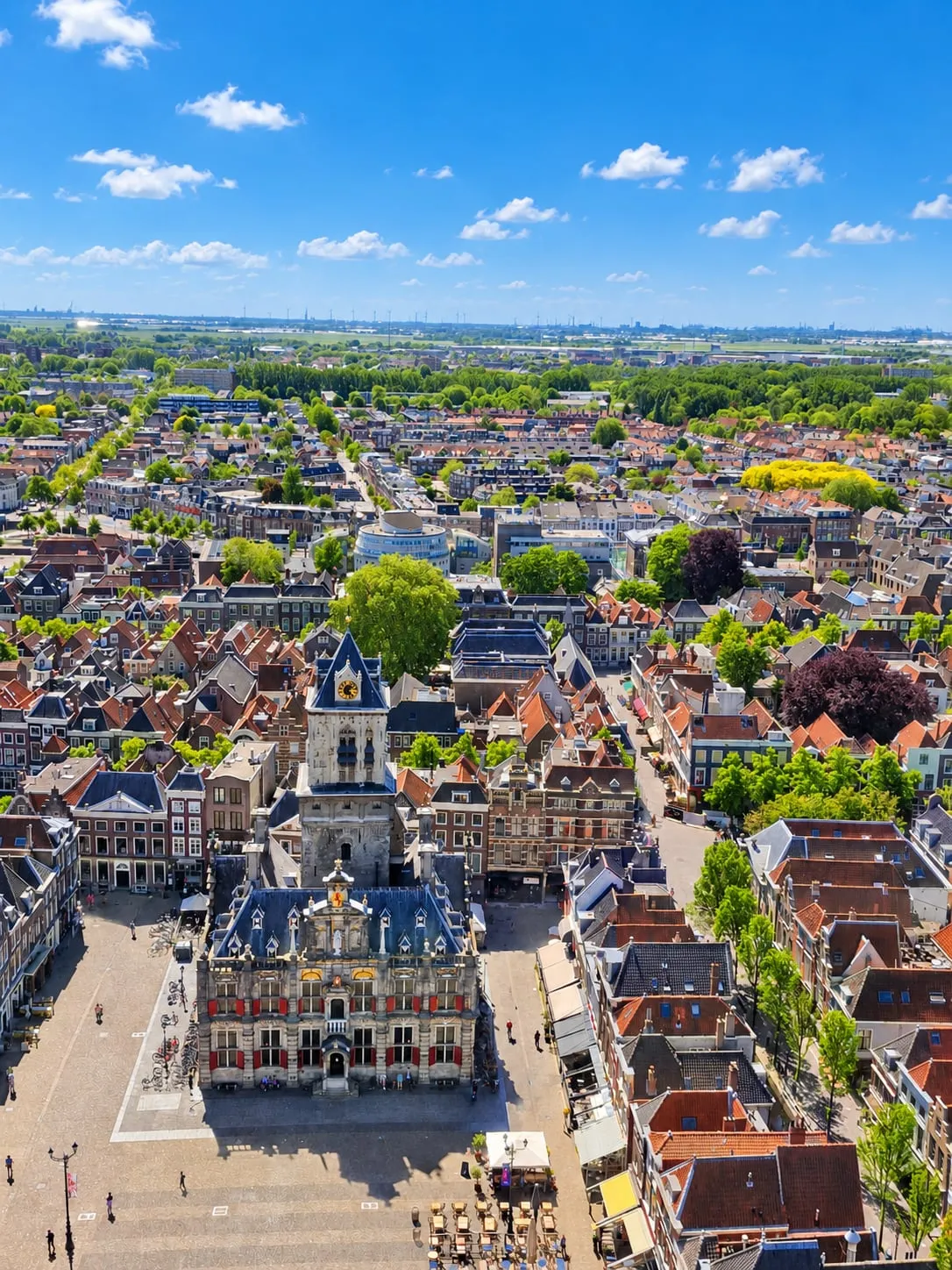
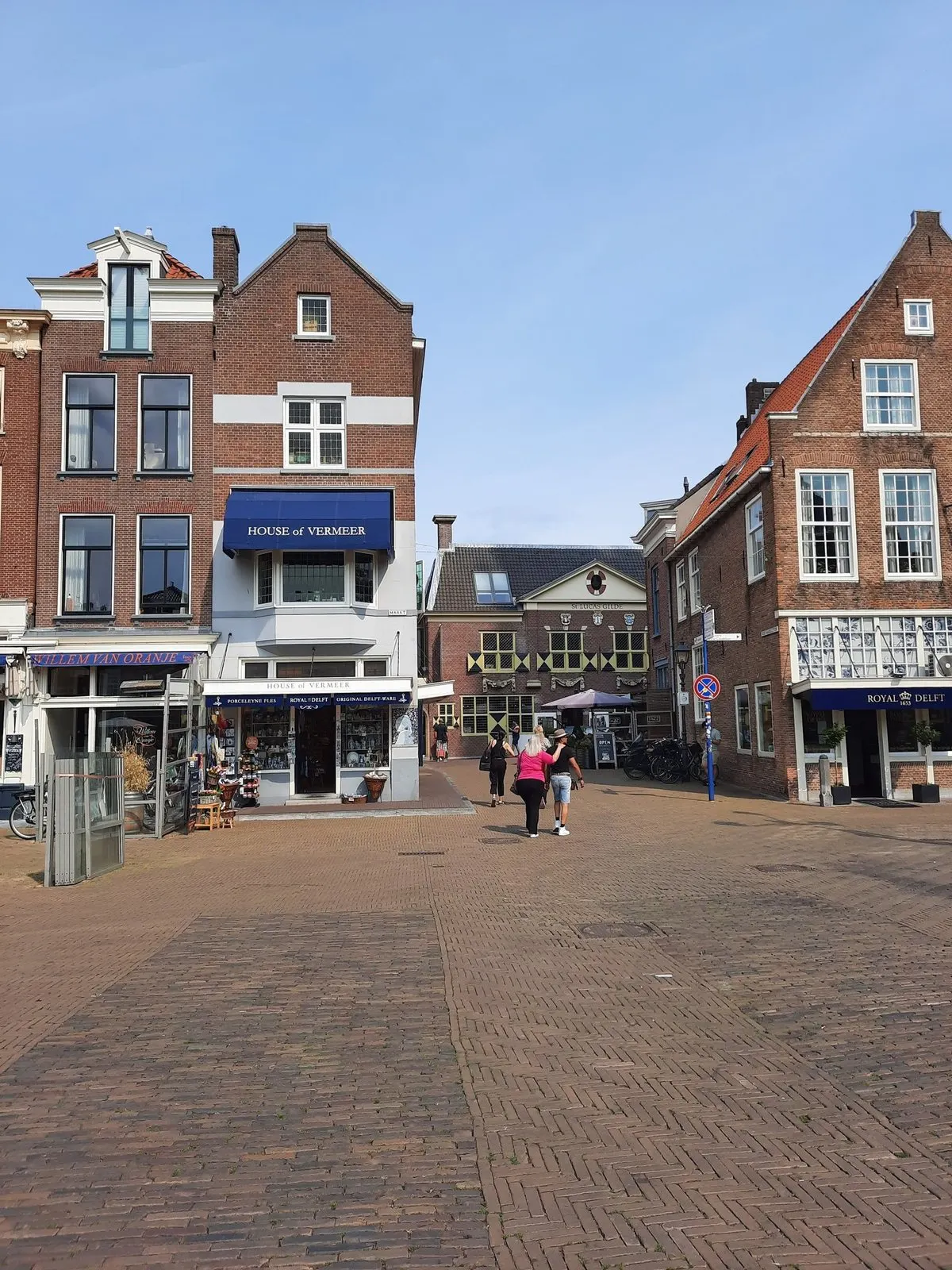
Did you know that Johannes Vermeer might well have ended up with an entirely different surname? All because his own father changed his surname three times in his life. And in general he was a remarkably changeable and restless man: he changed not only surnames, but wives, occupations and places of residence. In the end he settled right here, on Delft’s main square, the Markt. And here he had a whole lavish inn, worthy of a Michelin star, where his brilliant son was born. Where did the money come from? That is the question.
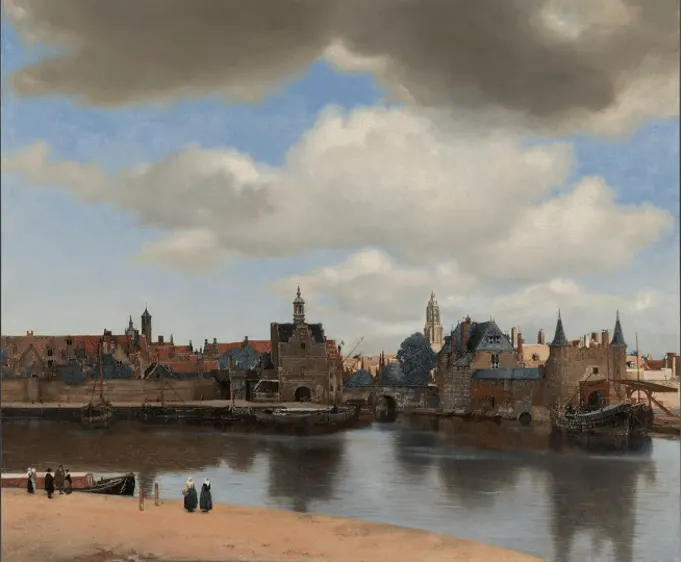
“At last he found himself before the Vermeer again — the very Vermeer he remembered as more brilliant, unlike anything he had known before. But now, for the first time, he noticed the little figures in blue, saw that the sand was pink, and finally made out the precious texture of a tiny patch of yellow wall…” — this is how Marcel Proust describes the death of one of his characters in “In Search of Lost Time”. It is with this extraordinary painting that the true second birth of the “Sphinx of Delft” begins — for that is what the man who rediscovered the Master for the world called him.
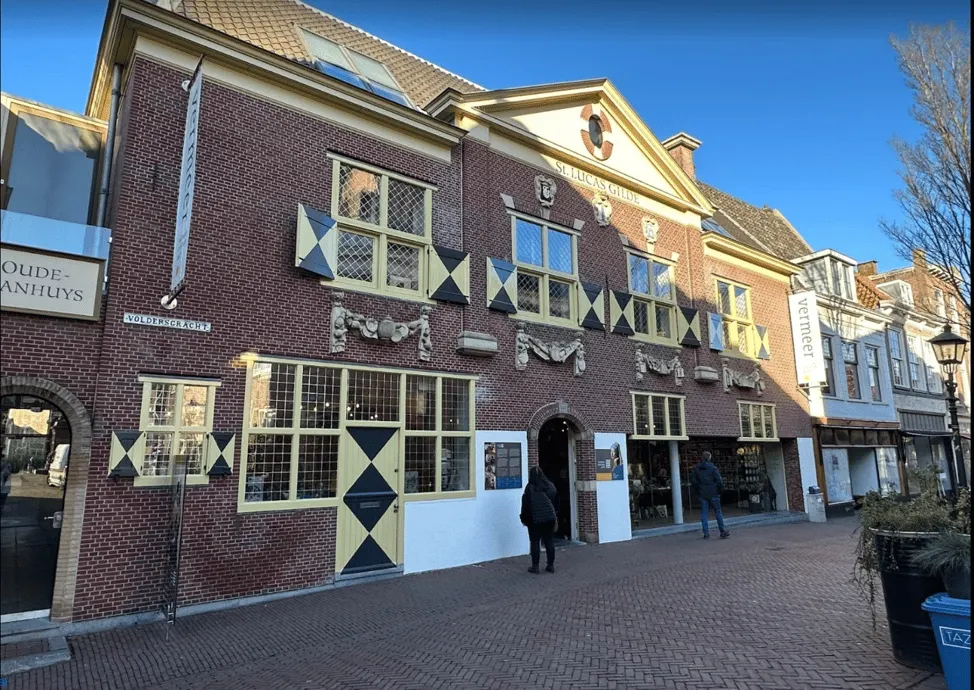
We know little about our hero, but we know for certain that for a time he was the head of the Delft painters’ guild — and here is exactly where it stood, in the building of an almshouse for the elderly. Today the Vermeer museum is here, and we will certainly go in, and see how it all looked three hundred years ago. We will also see reproductions of every known confirmed painting by the artist, and I will be sure to tell you about the most interesting of them.
“You will live less than I will!” — that, so the story goes, is how the artist was cursed in despair by his own mother-in-law. Her prophecy came true. But what role did this woman play in the life of a genius — who to her was simply a son-in-law, the husband of her only daughter? She made his life unbearable — yet without her we would hardly ever have been able to admire the paintings in which blue daylight is rendered with such mastery. So how exactly did the master so exasperate his relative?
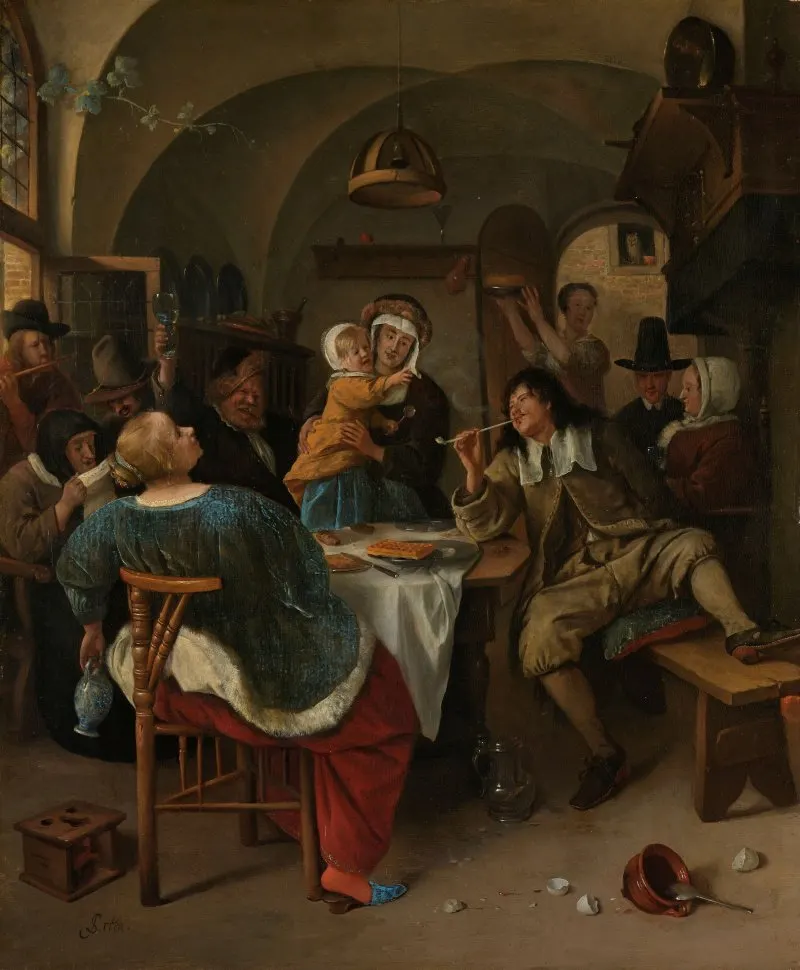
Jan Steen was a tumbleweed of a man. And there was a time in his life when he tumbled precisely into Delft. Two fairly well-known and popular painters of their day, living in one small town, could not possibly fail to know each other. And so we cannot pass by the brewery — also a tavern — that Jan Steen rented. There he tried, admittedly without much success, to master the brewer’s craft and the restaurant business. And at the same time, luckily for us, he immortalised in his paintings the cheerful patrons and solvent neighbours around him.
This tour is perfect if you
- love small towns with a great history
- are interested in the history of the Netherlands and the making of the Dutch state
- love art, science, architecture and unexpected stories from the past
- love towns you want to return to — and discover something new each time